Pháp đã bác bỏ một đề xuất gây tranh cãi về việc bắt buộc kê khai các ví tiền mã hóa tự quản, một động thái được ca ngợi là chiến thắng lớn cho quyền riêng tư tài sản kỹ thuật số và những người ủng hộ việc tự lưu ký.
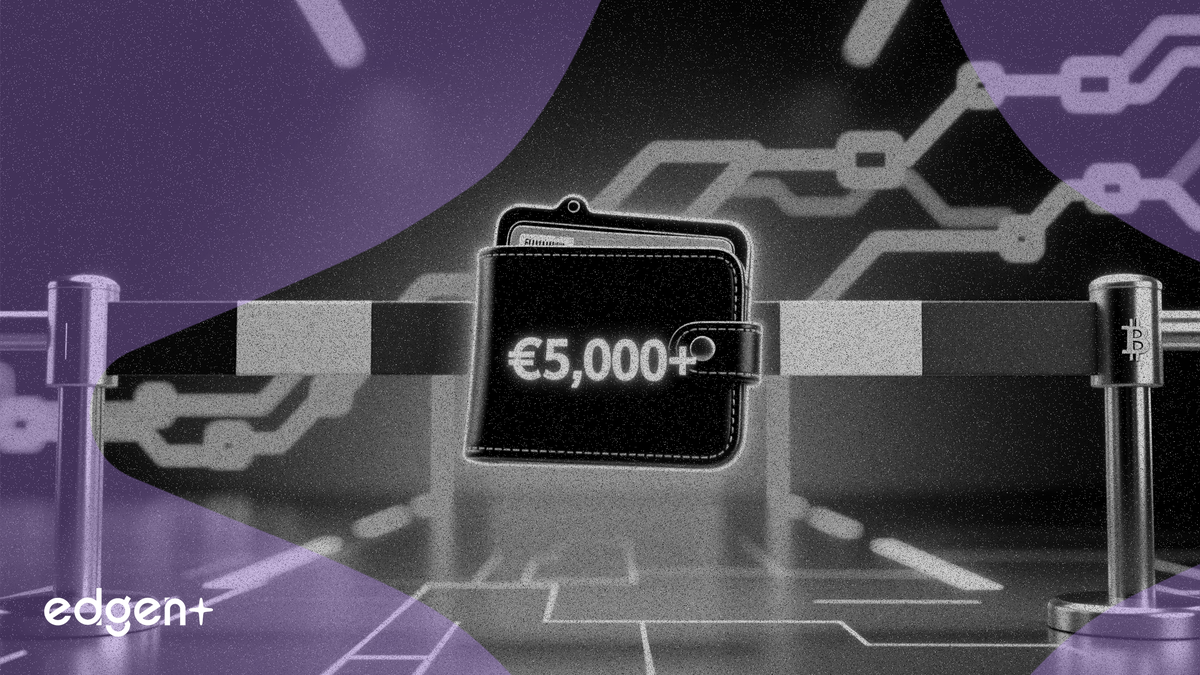
Một ủy ban hỗn hợp của quốc hội Pháp vào ngày 28 tháng 4 năm 2026 đã chính thức bác bỏ Điều 3 quater, một biện pháp gây tranh cãi nằm trong một dự luật rộng hơn nhắm vào gian lận xã hội và thuế, vốn sẽ buộc các ví tiền mã hóa tự quản có giá trị trên 5.000 € phải kê khai hàng năm.
"Cuộc đấu tranh chống gian lận không được tạo ra một bản đồ về sự giàu có của tiền mã hóa," một người phát ngôn của nhóm ngành Adan cho biết, phản ánh sự đồng thuận từ những người ủng hộ tài sản kỹ thuật số. Nhóm này, cùng với Viện Bitcoin Quốc gia, lập luận rằng biện pháp này sẽ đẩy việc tự lưu ký vào một "vùng nghi ngờ vĩnh viễn" một cách không công bằng.
Quy định được đề xuất nhắm mục tiêu cụ thể vào các ví nơi người dùng kiểm soát các khóa riêng (private keys) của chính họ, một nguyên tắc cốt lõi của triết lý Bitcoin, thay vì các tài khoản được giữ trên các sàn giao dịch tập trung. Ngưỡng báo cáo tương đối thấp là 5.000 € có nghĩa là một số lượng lớn những người nắm giữ tiền mã hóa quy mô nhỏ sẽ phải báo cáo giá trị thị trường của tài sản của họ cho cơ quan thuế hàng năm.
Quyết định này tránh được điều mà các nhà phê bình gọi là mối đe dọa cơ bản đối với nguyên tắc tự lưu ký và rủi ro an ninh lớn. Việc buộc người dùng kê khai các ví nơi họ giữ chìa khóa của riêng mình sẽ tạo ra một sự bất đối xứng kỳ lạ, làm cho hoạt động này trở nên đáng ngờ hơn so với việc ủy thác tiền cho một nền tảng bên thứ ba—chính là mô hình mà Bitcoin được thiết kế để lách qua. Tuy nhiên, rủi ro chính là việc tạo ra một cơ sở dữ liệu chính phủ có thể đóng vai trò như một danh bạ cho tội phạm.
Một cơ sở dữ liệu về các mục tiêu
Sự phản đối cốt lõi đối với Điều 3 quater tập trung vào các tác động an ninh của việc tạo ra một cơ quan đăng ký tập trung những người sở hữu tiền mã hóa. Mối quan tâm này không phải là lý thuyết. Theo một báo cáo từ Văn phòng Công tố về Tội phạm có tổ chức Quốc gia vào ngày 24 tháng 4, chính quyền Pháp đã truy tố 88 kẻ tình nghi là "tấn công bằng cờ lê" (wrench attackers) trong năm nay liên quan đến các vụ tống tiền bạo lực nhắm vào những người nắm giữ tiền mã hóa.
Đã có 47 cuộc tấn công vật lý như vậy ở Pháp chỉ riêng trong năm 2026, theo dữ liệu do người sáng lập Casa, Jameson Lopp, tổng hợp. Nỗi sợ hãi của những người ủng hộ quyền riêng tư là danh sách những người sở hữu ví và giá trị của họ do chính phủ bắt buộc sẽ trở thành nguồn tình báo chính cho các mạng lưới tội phạm này, khiến các cá nhân và gia đình họ gặp rủi ro lớn. Luật pháp được đề xuất, mặc dù nhằm mục đích chống gian lận thuế, nhưng sẽ vô tình tạo ra một danh sách mục tiêu có giá trị cao cho tội phạm bạo lực.
Trận chiến chuyển đến Brussels
Mặc dù việc bác bỏ Điều 3 quater là một thắng lợi đáng kể cho những người ủng hộ tiền mã hóa ở Pháp, nhưng cuộc chiến pháp lý vẫn còn lâu mới kết thúc. Trọng tâm hiện chuyển sang khung pháp lý rộng lớn hơn của Liên minh Châu Âu. Quy định về Thị trường tài sản tiền mã hóa (MiCA) đã thiết lập các quy tắc chung cho lĩnh vực này và Cơ quan Chống rửa tiền Châu Âu (AMLA) mới thành lập dự kiến sẽ tiếp quản vấn đề về ví tự quản.
Quyết định này của Pháp có thể tạo ra một tiền lệ, ảnh hưởng đến cuộc tranh luận ở cấp độ EU bằng cách làm nổi bật các rủi ro về an ninh và quyền riêng tư vốn có trong việc tạo ra các cơ quan đăng ký quốc gia về người dùng tiền mã hóa. Tuy nhiên, sự căng thẳng tiềm tàng giữa tính minh bạch theo quy định và quyền riêng tư của người dùng vẫn còn đó. Như đã thấy trong các bối cảnh khác, như cuộc tranh luận về quyền tài phán của thị trường dự đoán ở Hoa Kỳ, các chính phủ trên toàn thế giới vẫn đang vật lộn với cách áp dụng các khung pháp lý hiện có vào các cấu trúc mới lạ của tài chính kỹ thuật số. Giai đoạn tiếp theo của cuộc tranh luận này sẽ rất quan trọng trong việc quyết định tương lai của việc tự lưu ký và quyền riêng tư tài chính trên toàn khối.
Bài viết này chỉ nhằm mục đích cung cấp thông tin và không cấu thành lời khuyên đầu tư.