
Federal Reserve Governor Michael Barr is sounding the alarm on the booming private credit market, warning that emerging stress could spill over into public markets.
Federal Reserve Governor Michael Barr is sounding the alarm on the booming private credit market, warning that emerging stress could spill over into public markets.
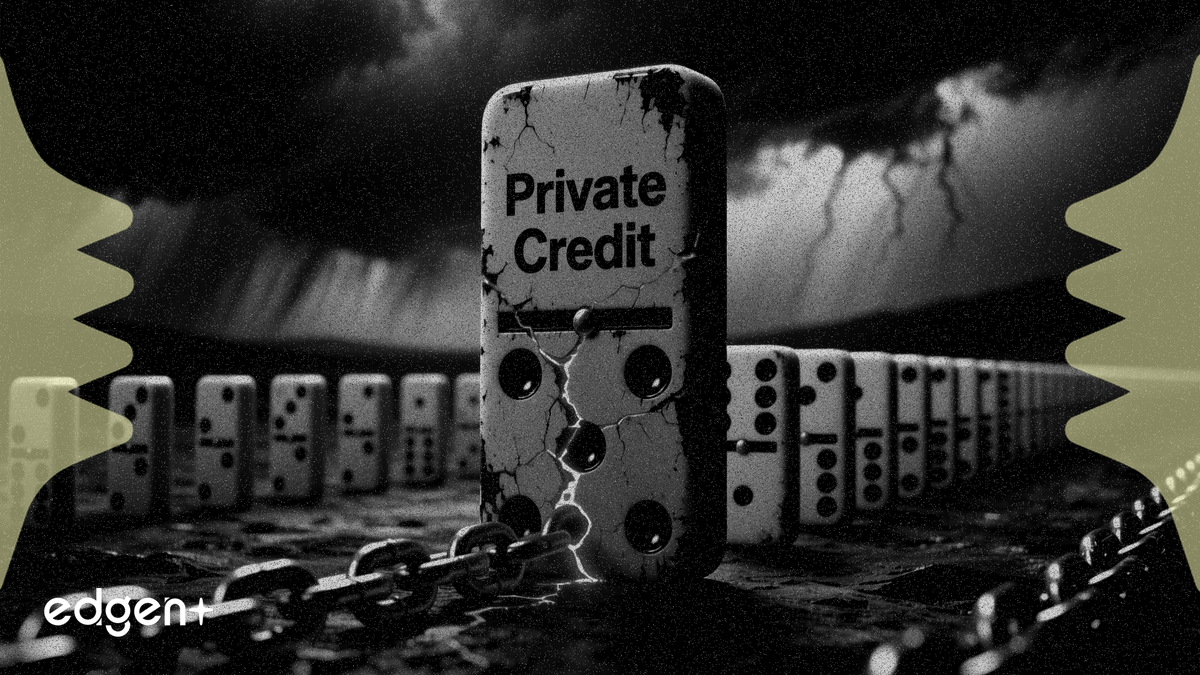
Federal Reserve Governor Michael Barr warned that stress in the private credit market could spark a “psychological contagion,” potentially triggering a broader credit crunch across the economy. The remarks, made in a May 3 interview with Bloomberg News, signal growing concern within the U.S. central bank over the rapid expansion of the non-bank lending sector.
"If the private credit market starts to see some strains, those strains can get transmitted into the broader financial system," Barr, the Fed's Vice Chair for Supervision, said. He cautioned that market participants might not view emerging problems as isolated incidents, but rather as "cracks in our corporate sector," extending fears to markets like corporate bonds.
While direct links between traditional banks and private credit funds do not currently appear “super worrisome,” Barr highlighted other areas of overlap that warrant close monitoring, particularly the insurance sector’s significant exposure to private lenders. The concern is that a downturn in private credit could lead to a general pullback in lending from all sources, tightening financial conditions for a wide range of borrowers.
This warning from a top U.S. regulator puts the $1.7 trillion private credit market under a brighter spotlight. Should the "psychological contagion" Barr described materialize, it could escalate financial strain, restrict corporate borrowing, and ultimately pose a risk to overall economic growth by triggering a credit crunch that extends far beyond the initial source of stress.
The mechanism for contagion, as outlined by Barr, is rooted in perception. If investors begin to see losses in private credit funds, they may lose confidence in the health of corporate borrowers more broadly. This could lead to a sell-off in the public corporate bond market and a general unwillingness to extend credit, even to healthy companies.
Private credit has faced increased pressure amid a recent market downturn, with some investors pulling back over concerns about valuations and lending standards. This follows a series of high-profile bankruptcies among companies financed by private lenders, which has heightened scrutiny of the sector.
The Federal Reserve is increasing its focus on the burgeoning market. In March, Fed Chair Jerome Powell noted that officials were monitoring the private credit sector for signs of trouble. However, at the time, he stated the Fed did not believe the issues would pose a systemic risk to the financial system.
Barr's more pointed comments suggest the level of concern may be rising within the central bank. His focus on the insurance industry's ties to private credit points to a specific channel through which financial stress could be transmitted to the core of the financial system.
This article is for informational purposes only and does not constitute investment advice.

