


Key Takeaways:
- FCC proposes licensing for submarine cable terminal equipment operators
- Chinese-made gear faces expanded ban from US undersea cable networks
- Meta and Alphabet gain fast-track approvals for new cable systems
Key Takeaways:
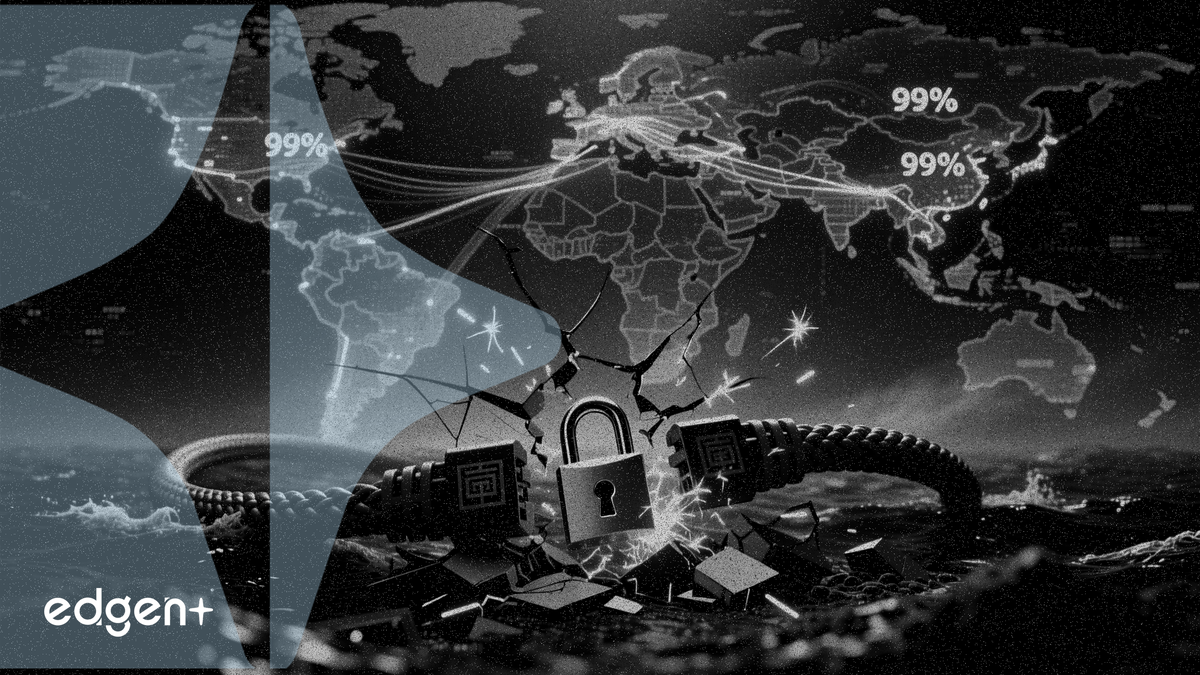
The FCC's proposed rules would reshape the $20 billion undersea cable market by barring Chinese-made equipment while fast-tracking approvals for US tech giants.
The Federal Communications Commission on Wednesday proposed licensing requirements for submarine cable terminal equipment, restricting Chinese suppliers while creating a fast-track approval process for US operators including Meta and Alphabet. The rules target the gear that performs the most critical function of a submarine cable system — connecting undersea fiber to US terrestrial networks.
"To end undersea sabotage, we need to call it out when it happens and say publicly who did it, if possible," said Sen. Jim Risch, chair of the Senate Foreign Relations Committee, who urged a concerted international effort to improve the resiliency of undersea infrastructure. "We also need a concerted international effort to improve the resiliency of undersea infrastructure and prevent or mitigate the impact of these attacks when they happen."
Operators seeking fast-track approvals must guard against espionage, strictly monitor compliance with national and data security, and agree not to use foreign equipment that could pose security risks. The FCC in 2023 barred equipment from Huawei, ZTE, China Telecom and China Mobile from submarine cable facilities. The new rules are expected to expand that ban to include any equipment manufactured in China or other foreign adversaries, according to the agency's announcement.
The more than 400 subsea cables that handle 99 percent of international internet traffic represent a critical vulnerability that US officials have flagged for more than a year. The Justice Department in 2021 said national security agreements with Google and Meta were necessary given China's "sustained efforts to acquire the sensitive personal data of millions of U.S. persons." The last time the FCC imposed similar national security conditions on cable operators was in 2021, when it approved Google's Grace Hopper cable with restrictions barring access by Chinese entities.
The undersea cable business has boomed as cloud providers and social media platforms expand globally. Meta and Alphabet stand to benefit most from the fast-track process, which could cut approval timelines for new systems by months. The previous round of restrictions in 2023 reduced Chinese equipment providers' share of new US-bound cable projects to near zero, according to industry estimates, while US-based suppliers such as SubCom and TE SubCom captured a larger portion of the market.
The proposed rules also require licenses for submarine line terminal equipment operators — a category that was previously unregulated. Worcester County's zoning administrator separately denied Globalinx's request to classify a proposed cable landing station in Virginia as a public utility, finding the project does not directly serve the general public under county code, highlighting the growing local friction around cable infrastructure expansion.
This article is for informational purposes only and does not constitute investment advice.
