The FAO food price index rose 1.9% in August to 133.3 points, up 2.5% year-over-year, as adverse weather and geopolitical tensions tightened supply expectations across all commodity groups.
"Climate shocks, geopolitical tensions and disrupted trade logistics are converging to tighten supply expectations," Maximo Torero, chief economist at the Food and Agriculture Organization, said. "The risk premium is returning to food markets."
Sugar led the advance, jumping 11.9% month-over-month to its highest level since June 2025, as persistent hot and dry weather cut sugarbeet yield forecasts in the European Union and El Nino-related conditions weighed on production prospects in key Asian producers. Lower output in Brazil's Center-South growing region added to supply concerns, while India's decision to allow duty-free raw sugar imports supported prices.
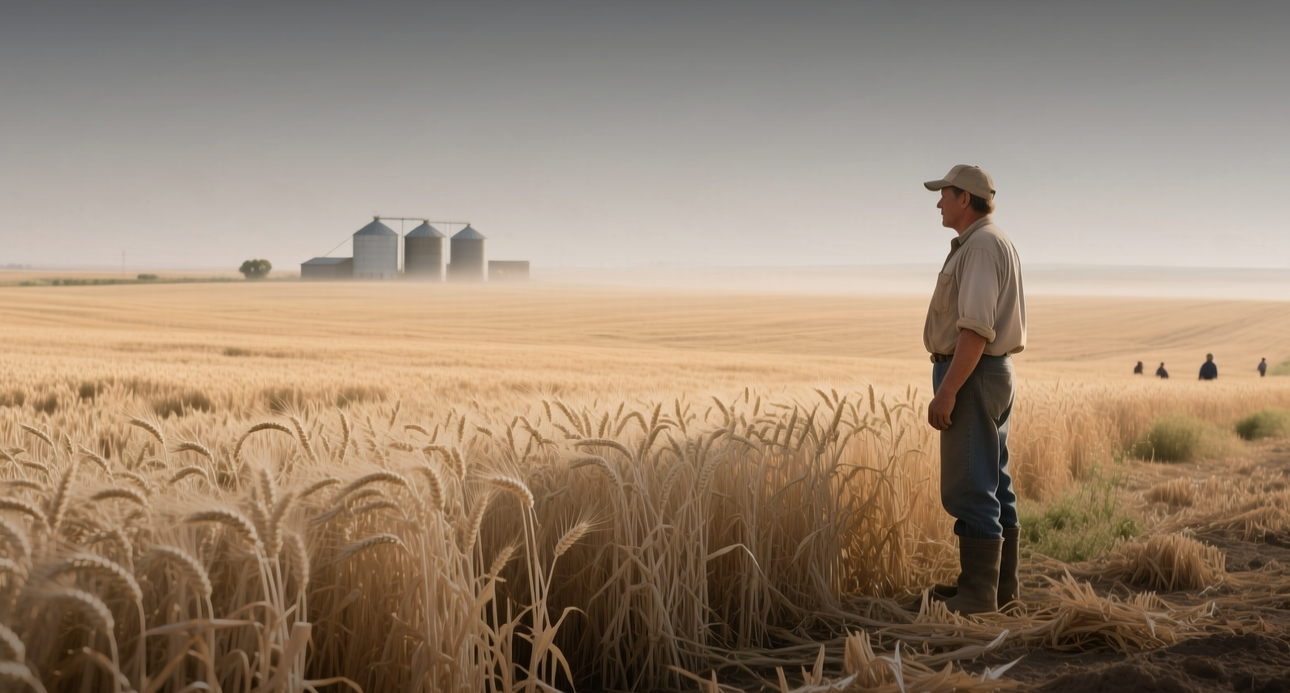
Cereal prices rose 2.2% to their highest since May 2024, with wheat up 2.6% and standing 15% above year-ago levels on disruptions to Black Sea export logistics and weaker production prospects in parts of Europe. Maize gained 2.5% as prolonged heat and dryness raised concerns about crops in the US Corn Belt and the EU, with additional support from strong ethanol and feed demand.
FAO now expects global cereal production of 2.98 billion tonnes in 2026, down 2% from last year, with wheat output forecast at 810.7 million tonnes, 3.8% below 2025 levels. The stocks-to-use ratio is projected at 31.6%, down from 31.9%, pointing to a tightening but still historically comfortable supply picture heading into the 2027 close of seasons.
Vegetable Oils, Dairy Extend Gains
Vegetable oil prices rose for a third straight month, with the index gaining 0.6% to 196.9 points, its highest since June 2022. Palm oil prices continued to climb on strong global import demand and concerns over El Nino-related weather risks in Southeast Asia, while soy oil remained firm on strong South American export demand. Sunflower and rapeseed oil prices eased on weaker import demand and expectations of ample supplies.
Dairy prices recorded their first increase in four months, rising 2.3% to 119.2 points, though they remained 21.7% below year-ago levels. Higher milk powder and cheese prices drove the gain, as tightening milk supplies and hot, dry weather in major European producing regions supported quotations. Meat prices rose 1% to 127.9 points, driven by higher poultry, pig and ovine meat prices, while bovine meat declined as tighter access to key Asian markets intensified competition among exporters.
The overall index remains 16.8% below its March 2022 peak. FAO's next supply and demand update is due in October, when revised production forecasts for the 2026/27 season will clarify the extent of weather-related supply tightening heading into Q4.
This article is for informational purposes only and does not constitute investment advice.