
重要なポイント:
- バンエックのトークン化VBILLファンドがDeFiレンディングプラットフォーム「イーラー」で稼働開始
- トークン化された米国債は資産額が150億ドルを突破、前年比150%増加
- スタンダード・チャータード銀行は2028年までに2兆ドルのトークン化資産を予測
重要なポイント:
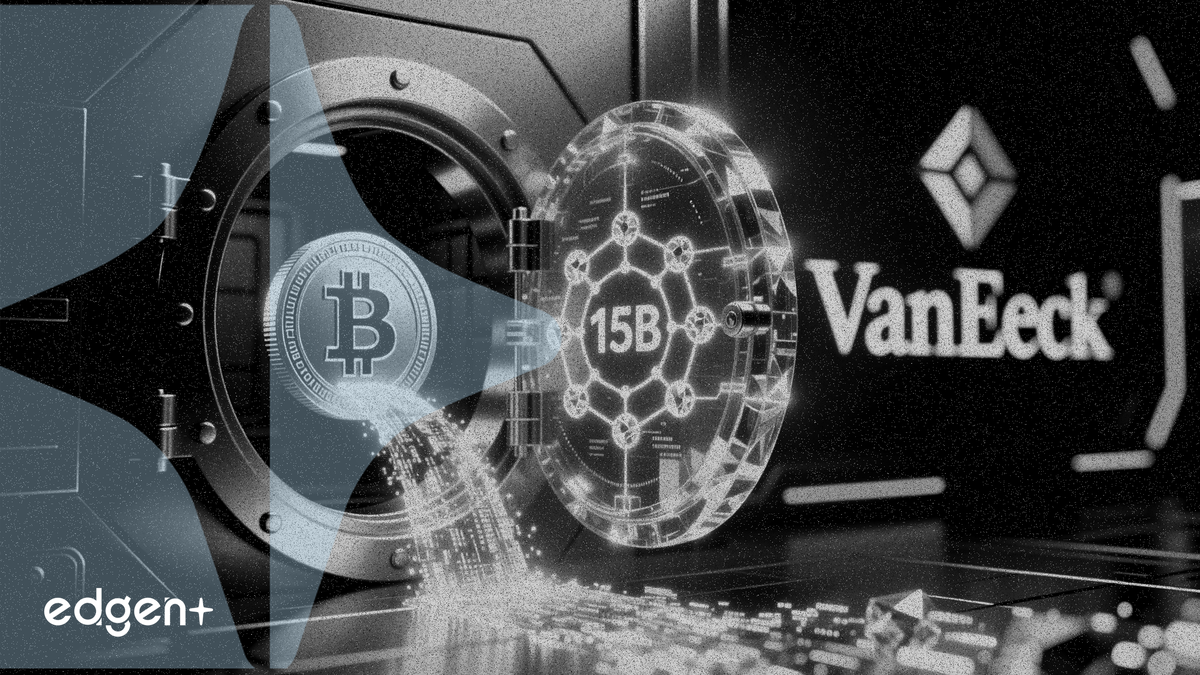
DeFi融資プロトコルは、トークン化された米国債が資産総額で150億ドルを超えるなか、ウォール街向けにアーキテクチャを再設計している。
バンエックのトークン化米国債ファンド(セキュリタイズが発行)は木曜日、DeFi融資プラットフォーム「イーラー」で稼働を開始し、投資家がトークン化された米国政府債務をオンチェーン担保として利用できるようになった。VBILLファンドは、適格投資家に短期米国債へのエクスポージャーをトークン化された形で提供し、これを担保として差し入れることで、イーラーの融資市場から流動性を借り入れることが可能になる。
「本当にエキサイティングなのは、許可型資産の統合に熱意を示すプロトコルが登場していることです」と、セキュリタイズのエコシステム責任者グレアム・ファーガソン氏は述べた。「これは以前には見られなかった動きです。」
約3億2000万ドル超の資産をプラットフォーム上に保有するイーラーは、今年初めにセキュリタイズのDSプロトコルを統合し、トークン化証券が融資市場と連動できるようにするとともに、投資家の適格性要件と譲渡制限を維持している。VBILLの価格データはレッドストーン・オラクルを通じて提供される。RWA.xyzのデータによると、トークン化された米国債は過去1年間で150%増加し、150億ドルを超えた。
今回の統合は、機関投資家がトークン化金融への参入を強めるなか、DeFiプロトコルが進化していることを浮き彫りにしている。スタンダード・チャータード銀行は2028年までに2兆ドルのトークン化資産を予測し、BCGとリップルは2033年までに18.9兆ドルの市場規模を見込む。ブラックロック、フランクリン・テンプルトン、ジャナス・ヘンダーソンなどの世界的な資産運用会社はすべて、利回りを生むオンチェーン担保を求める機関投資家向けに、ブロックチェーン・ベースの国債およびマネー・マーケット商品を立ち上げている。
DeFi、機関投資家向けコンプライアンスに対応
イーラーは今年初め、当初は完全にパーミッションレスな融資プロトコルとして運営されていたが、機関投資家向けのユースケースへと方向転換した。競合プラットフォームであるAaveは、機関投資家の借り手とトークン化担保に特化した実世界資産プラットフォーム「ホライゾン」を立ち上げた。このトレンドは、より広範なシフトを反映している。すなわち、パーミッションレスな暗号資産向けに構築されたDeFiプロトコルが、トークン化されたマネー・マーケット・ファンドやプライベートクレジットなどの規制対象商品に対応するため、アーキテクチャを再構築しているのである。
「より本格的な機関投資家がこの分野を探求するにつれ、彼らが伝統的金融で慣れ親しんできた一定の保護措置と許可を必要としています」とファーガソン氏は述べた。「DeFiプロトコルはようやく、この資本を受け入れたいのであれば、自分たちのやり方を変えなければならないという事実に目覚めつつあります。」
イーラーへのVBILL上場は、コンプライアンス管理を排除することなくトークン化証券がDeFiに参入する最新の事例である。セキュリタイズのDSプロトコルは、融資市場内で譲渡ルールと適格性ルールを維持し、暗号資産のオープンなインフラと伝統的金融企業のコンプライアンス期待のバランスを取っている。
本記事は情報提供のみを目的としており、投資助言を構成するものではありません。
