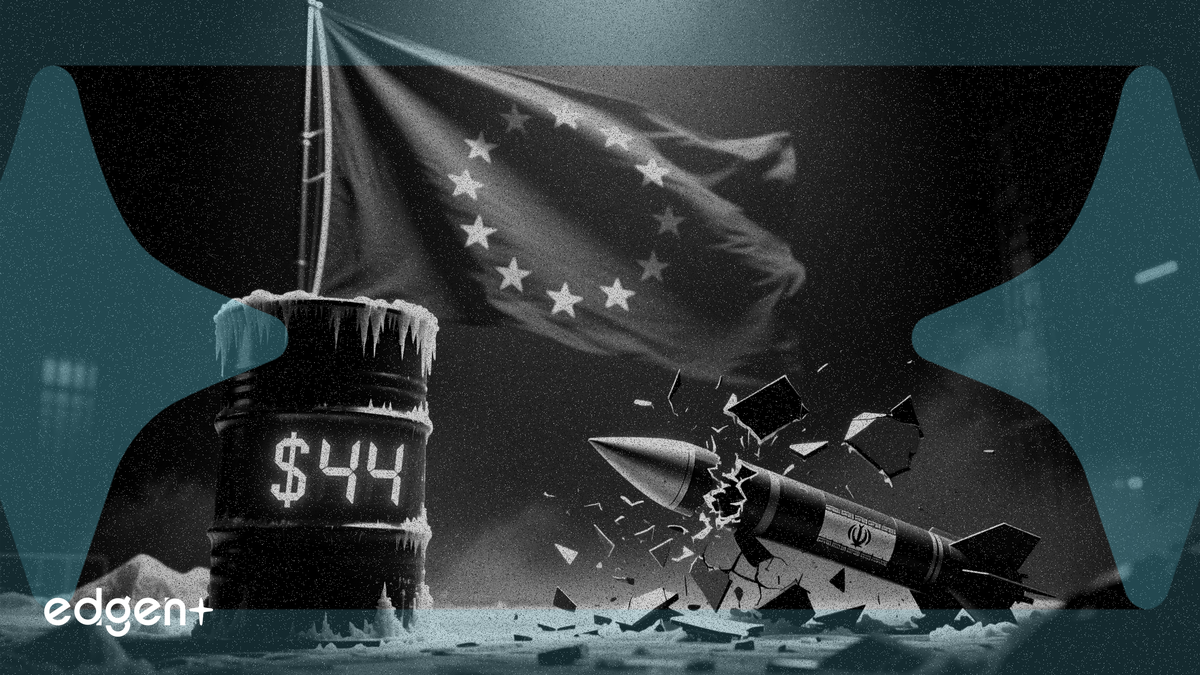
Ủy ban châu Âu có thể giữ nguyên trần giá G7 đối với dầu thô Nga ở mức 44,10 USD/thùng trong đợt đánh giá vào tháng 7, nhằm hạn chế nguồn thu của Moscow từ chiến tranh Iran và cú sốc giá dầu sau đó, các nhà ngoại giao EU cho biết hôm thứ Hai.
"Cơ chế linh hoạt được thiết kế cho điều kiện thị trường bình thường, không phải cho một cuộc xung đột Trung Đông đã làm đảo lộn các dòng chảy năng lượng toàn cầu," một quan chức ngoại giao cấp cao của EU tham gia các cuộc thảo luận cho biết, yêu cầu giấu tên.
Dầu Brent giao dịch quanh 93 USD/thùng vào thứ Hai, tăng hơn 50% kể từ khi eo biển Hormuz đóng cửa vào ngày 28/2. Tuyến đường thủy này từng xử lý 1/5 dòng chảy dầu khí toàn cầu trước chiến tranh Iran. Doanh thu từ dầu khí của Nga đã tăng 39% so với cùng kỳ năm ngoái trong tháng 5, theo tính toán của Reuters, khi giá toàn cầu cao hơn bù đắp cho mức chiết khấu trên dầu Urals.
Việc đóng băng trần giá sẽ ngăn cơ chế tự động nâng ngưỡng lên ít nhất 65 USD — mức mà định giá Urals hiện tại ngụ ý — và giới hạn mọi đợt tăng trong tương lai ở mức 60 USD, trần G7 ban đầu. Biện pháp này nằm trong gói trừng phạt thứ 21 của EU nhằm vào Nga, dự kiến được hoàn tất vào đầu tháng 6.
Khối này đã thông qua cơ chế định giá linh hoạt vào năm ngoái, tự động đặt lại trần giá mỗi 6 tháng ở mức thấp hơn 15% so với giá thị trường trung bình của dầu thô Urals Nga. Ngưỡng 44,10 USD hiện tại được thiết lập vào tháng 1, giảm từ mức 47,60 USD trước đó và 60 USD khi trần giá lần đầu được áp dụng vào cuối năm 2022.
Ủy ban đã đưa ra đề xuất đóng băng trong các cuộc họp với các đại sứ EU vào cuối tuần qua, theo hai nguồn tin quen thuộc với các cuộc thảo luận. Theo một phương án, việc điều chỉnh tự động sẽ bị đình chỉ cho đến cuối năm, phản ánh các điều kiện bất thường ở Trung Đông. Một phương án khác sẽ áp đặt mức trần cứng là 60 USD cho mọi đợt tăng trong tương lai, bất kể giá thị trường hiện hành.
Chiến tranh Iran định hình lại bài toán dầu mỏ
Xung đột Iran đã làm đảo lộn các giả định nền tảng của cơ chế trần giá. Trước khi eo biển Hormuz đóng cửa, trần giá được thiết kế để giảm doanh thu dầu mỏ của Nga mà không gây ra cú sốc nguồn cung toàn cầu. Có tới 30% dầu Nga vận chuyển bằng đường biển vẫn được giao dịch dưới trần giá, phần còn lại được vận chuyển bởi đội tàu ngầm nằm ngoài các dịch vụ bảo hiểm và vận tải phương Tây.
Các cường quốc phương Tây hiện đối mặt với tình thế khó xử: nâng trần giá sẽ làm tăng doanh thu của Nga vào thời điểm giá dầu cao hơn đang bổ sung vào ngân sách Điện Kremlin, trong khi giữ trần quá thấp có nguy cơ làm giảm nguồn cung Nga vào lúc thị trường đang thắt chặt nghiêm trọng. Các nhà phân tích đã nâng dự báo giá dầu trung bình năm 2026 thêm 40% lên khoảng 90 USD/thùng kể từ tháng 2, theo Reuters.
Đề xuất đóng băng này thể hiện một thỏa hiệp sau khi ý tưởng về lệnh cấm hoàn toàn dịch vụ vận tải biển đối với dầu Nga bị đình trệ — vốn sẽ chấm dứt toàn bộ hệ thống trần giá. Các nước EU đã thông qua cơ sở pháp lý cho lệnh cấm đó trong gói trừng phạt thứ 20 nhưng hoãn quyết định lộ trình thực hiện để chờ phối hợp thêm với G7.
Các đại sứ quốc gia thành viên EU đã được nghe báo cáo về các kế hoạch này vào tuần trước, với mục tiêu của khối là hoàn tất gói trừng phạt thứ 21 vào đầu tháng 6. Bất kỳ thay đổi nào đối với trần giá đều cần sự đồng thuận của tất cả 27 quốc gia thành viên, một quy trình đã trở nên gây tranh cãi hơn khi chiến tranh Iran đẩy chi phí năng lượng lên cao hơn trên khắp châu Âu.
Bài viết này chỉ nhằm mục đích cung cấp thông tin và không cấu thành lời khuyên đầu tư.