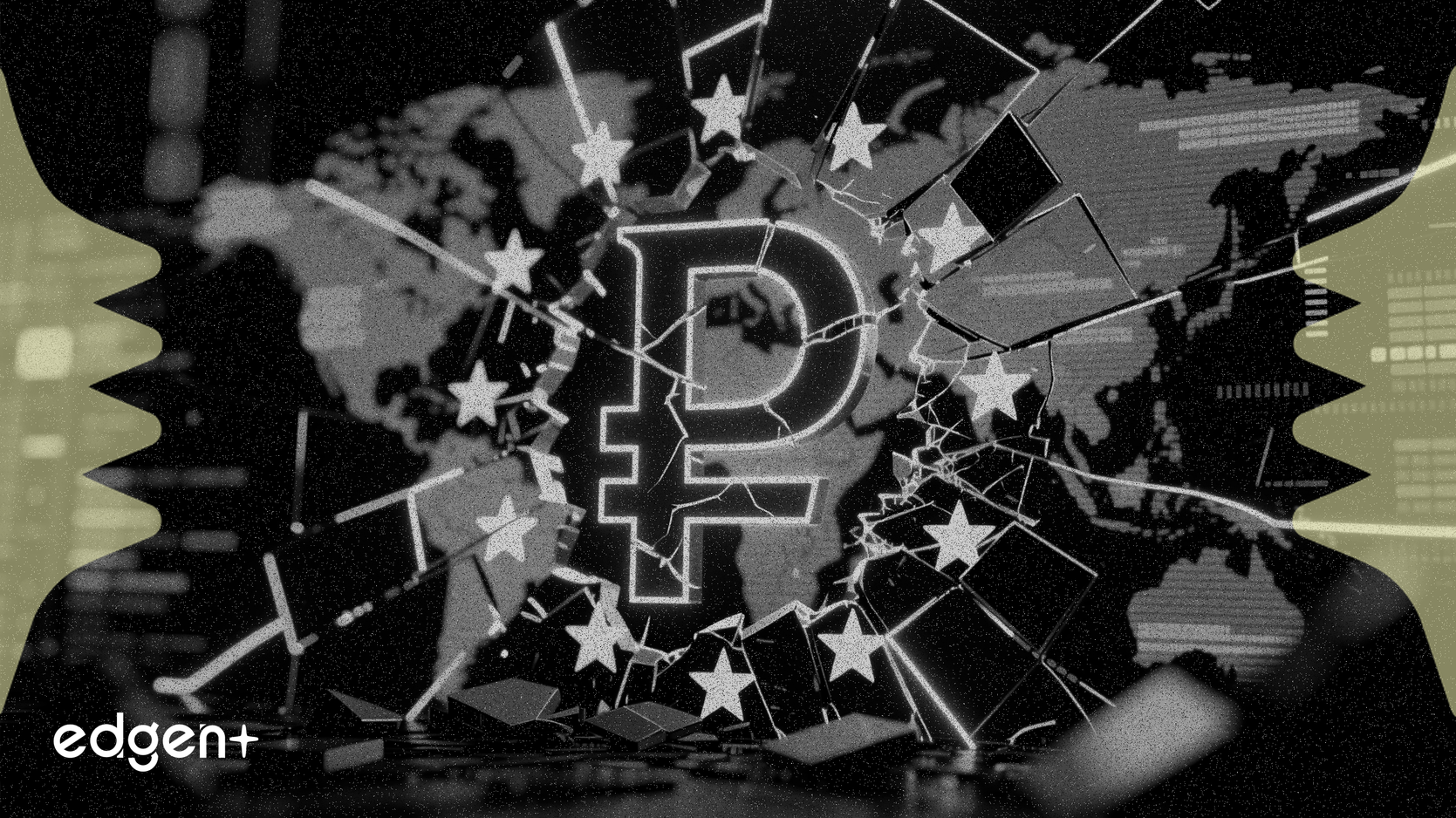
EU Prohibits Russian Central Bank Digital Currency
The European Union has officially moved to ban Russia's central bank digital currency, the digital ruble. Kallas, the EU High Representative for Foreign Affairs and Security Policy, confirmed the measure as part of a broader strategy to increase economic pressure on Moscow. This action directly targets Russia's attempts to create financial infrastructure outside of Western-controlled systems, aiming to close potential loopholes that a state-backed digital currency could offer for circumventing sanctions.
Sanction Sets Precedent for Digital Currency Blocs
This ban marks a significant development in the weaponization of finance, establishing CBDCs as a new frontier for geopolitical sanctions. By preemptively blocking the digital ruble, the EU is setting a precedent that could lead to the fragmentation of the global financial system into competing digital currency blocs. This may accelerate a trend where digital currency adoption aligns with geopolitical alliances, potentially pitting a U.S. dollar or euro-centric digital ecosystem against one led by nations like Russia and China. The move severely curtails the digital ruble's potential for international utility and cross-border payments.
Ban May Indirectly Boost Non-State Cryptocurrencies
The EU's action underscores the centralized control inherent in CBDCs and their potential use as instruments of state power. This development could indirectly enhance the value proposition of non-state-controlled cryptocurrencies. As governments demonstrate a willingness to block access to national digital currencies, investors and users seeking censorship-resistant assets may find decentralized alternatives like Bitcoin increasingly appealing. The event highlights the fundamental divide between sovereign digital money and permissionless, global cryptocurrencies.