
Key Takeaways: Ethereum is preparing for its biggest protocol transformation since the Merge, targeting quantum safety by 2029.
Key Takeaways: Ethereum is preparing for its biggest protocol transformation since the Merge, targeting quantum safety by 2029.
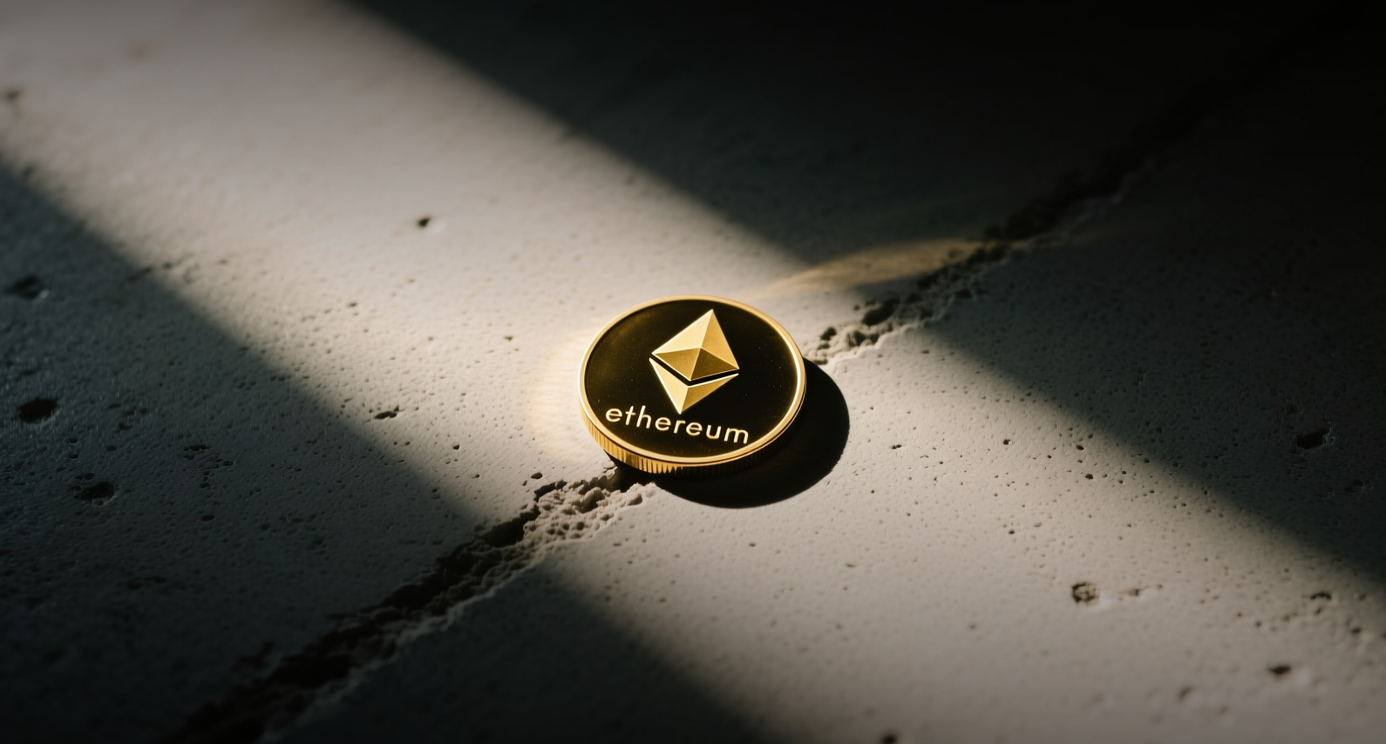
Ethereum co-founder Vitalik Buterin outlined a "Lean Ethereum" strawmap prioritizing quantum resistance, scalability and privacy across a three-to-four-year upgrade cycle comparable in scale to the 2022 Merge.
"Quantum safety has shifted up a LOT in priority, and finalizing a quantum-safe solution for blobs has become urgent," Buterin said in a post on X. The roadmap, developed with researcher Justin Drake, targets full post-quantum infrastructure by 2029, with early proof points already confirming viability.
The plan introduces a new virtual machine — with leanISA and RISC-V as top candidates — to support programmable privacy and better scalability. It comes as the Ethereum Foundation cuts roughly 20% of its staff and reduces its budget by 40% to become leaner. Several executives have departed in recent months, including researchers Hsiao-Wei Wang, Tomasz Stańczak, Tim Beiko and Barnabé Monnot.
The roadmap touches nearly every layer of Ethereum, from validator operations to transaction execution. Dankrad Feist, a researcher behind the payments-focused layer-1 Tempo blockchain, praised the plan but argued the three-to-four-year timeline is too slow, saying AI could help developers ship the upgrades within a year. Crypto analyst Ignas Fiodorovas cast doubt on the Ethereum Foundation's ability to deliver on schedule, citing a history of missed deadlines, and noted that improved tokenomics for Ether was the only key feature missing.
The restructuring at the Ethereum Foundation reflects the broader push toward efficiency. The organization laid off roughly one-fifth of its staff last month as part of a plan to reduce its budget by 40%. The leaner structure follows several executive departures, including Hsiao-Wei Wang and Tomasz Stańczak, while protocol contributors Tim Beiko and Barnabé Monnot also left in May.
While the roadmap has drawn praise for its ambition, questions remain about execution. Feist argued that AI-assisted development could compress the timeline to one year. Fiodorovas said the plan was sound but pointed to the foundation's track record of delays. The only key feature missing, he said, was improved tokenomics for Ether, which has continued to slide in price amid a broader market downturn.
For Ethereum, the stakes are high. The network faces growing competition from faster layer-1 blockchains like Solana and Sui, while layer-2 scaling solutions continue to fragment liquidity and user experience. A successful execution of the Lean roadmap could cement Ethereum's position as the dominant settlement layer for decentralized finance — but missing the timeline risks ceding ground to rivals that ship faster.
This article is for informational purposes only and does not constitute investment advice.
