

Eos Energy Enterprises surged after detailing a rights offering for its Frontier Power joint venture and starting commercial production at its second battery plant.
Eos Energy Enterprises surged after detailing a rights offering for its Frontier Power joint venture and starting commercial production at its second battery plant.
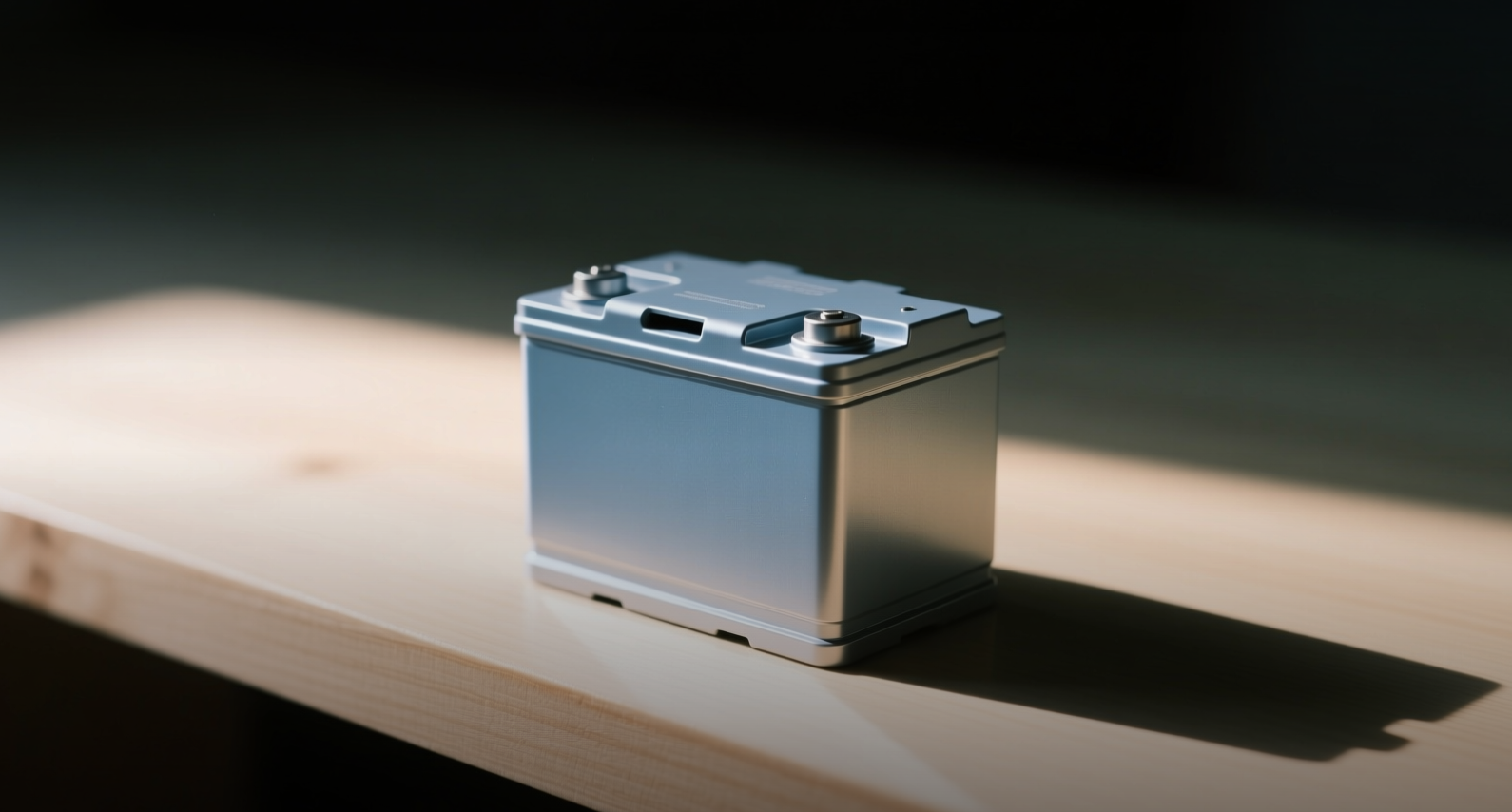
Eos Energy Enterprises Inc. started commercial production at its second Pennsylvania battery plant and detailed a rights offering for its Frontier Power joint venture, advancing its push to reach 4 GWh of annual manufacturing capacity by year-end.
"Battery Line 2 demonstrates our ability to continuously improve as we scale," John Mahaz, chief operating officer of Eos, said. "The result is a more efficient manufacturing environment with better flow and a stronger foundation for future expansion."
The Thorn Hill facility's new line reduces raw material travel by 86% and shortens production length by 40% compared with Line 1, the company said. Line 1 surpassed its full-year 2025 production in the first 164 days of 2026. The rights offering supports Frontier Power USA's 2 GWh capacity reservation agreement, which in May led to a 480 MWh battery project acquisition in Texas from Bimergen Energy.
Eos shares rose as investors welcomed the financing clarity and manufacturing progress. The company targets full production on Line 2 by the fourth quarter of 2026, with the new facility providing a replicable blueprint for future capacity additions. Eos trades on the Nasdaq under the ticker EOSE.
Manufacturing Replication Proves Scalable at Thorn Hill
The company incorporated lessons from commissioning Line 1 directly into the design of Line 2, using single-piece flow architecture and advanced pick-and-place gantry systems. Production operators are already onsite at Thorn Hill, with subassemblies coming online in the early third quarter and full production targeted for the fourth quarter of 2026.
The new layout was engineered to optimize manufacturing flow and productivity. Compared with Battery Line 1, the design reduces raw material travel by 86% and shortens overall production line length by 40%, improving material handling and supporting higher operating efficiency. The company said the successful replication of its manufacturing process at a second facility reduces execution risk for future expansion.
Eos's zinc-based battery technology, which it calls Znyth, uses non-precious earth components and is designed for long-duration energy storage applications of 4 to 16-plus hours. The company positions its non-flammable chemistry as a safer alternative to lithium-ion systems for utility-scale and microgrid applications. The technology competes directly with iron-air batteries from Form Energy and iron-flow systems from ESS Inc. in the emerging LDES market.
Frontier JV Drives 2 GWh Project Pipeline
Frontier Power USA's 2 GWh capacity reservation agreement with Eos is beginning to convert into tangible projects. In May, FPUSA acquired a 480 MWh battery project portfolio in Texas from Bimergen Energy and signed a strategic framework agreement with Stella Energy Solutions to advance a 2 GWh pipeline built around Eos technology.
In the United Kingdom, Frontier Power Energy Holding Ltd acquired rights to the Ayr and Busby projects in Scotland, which are expected to use approximately 2.8 GWh of Eos Z3 Indensity systems under an existing framework agreement announced in April 2025. While subject to development milestones and closing conditions, these opportunities demonstrate the demand that Line 2 was built to support.
The rights offering provides the capital structure to fund this pipeline. The structured raise strengthens Eos's balance sheet as it transitions from proving its manufacturing model to scaling production for commercial deliveries.
Investment Angle: Execution Risk Reduced, Pipeline Visible
The dual catalysts — manufacturing scale-up and project pipeline financing — address two of the biggest investor concerns for long-duration energy storage companies: production execution and demand conversion. Eos's ability to replicate its manufacturing process at a second facility reduces execution risk for future expansion, while the Frontier JV provides a visible path to monetizing its contracted backlog.
The U.S. Department of Energy has identified a need for 225 GW of long-duration energy storage capacity by 2050 to support grid decarbonization, a target that would require massive manufacturing scale-up across the sector. Eos's progress toward 4 GWh of annual capacity positions it to capture a share of that demand, though the company faces competition from established lithium-ion providers and emerging LDES rivals.
This article is for informational purposes only and does not constitute investment advice.
