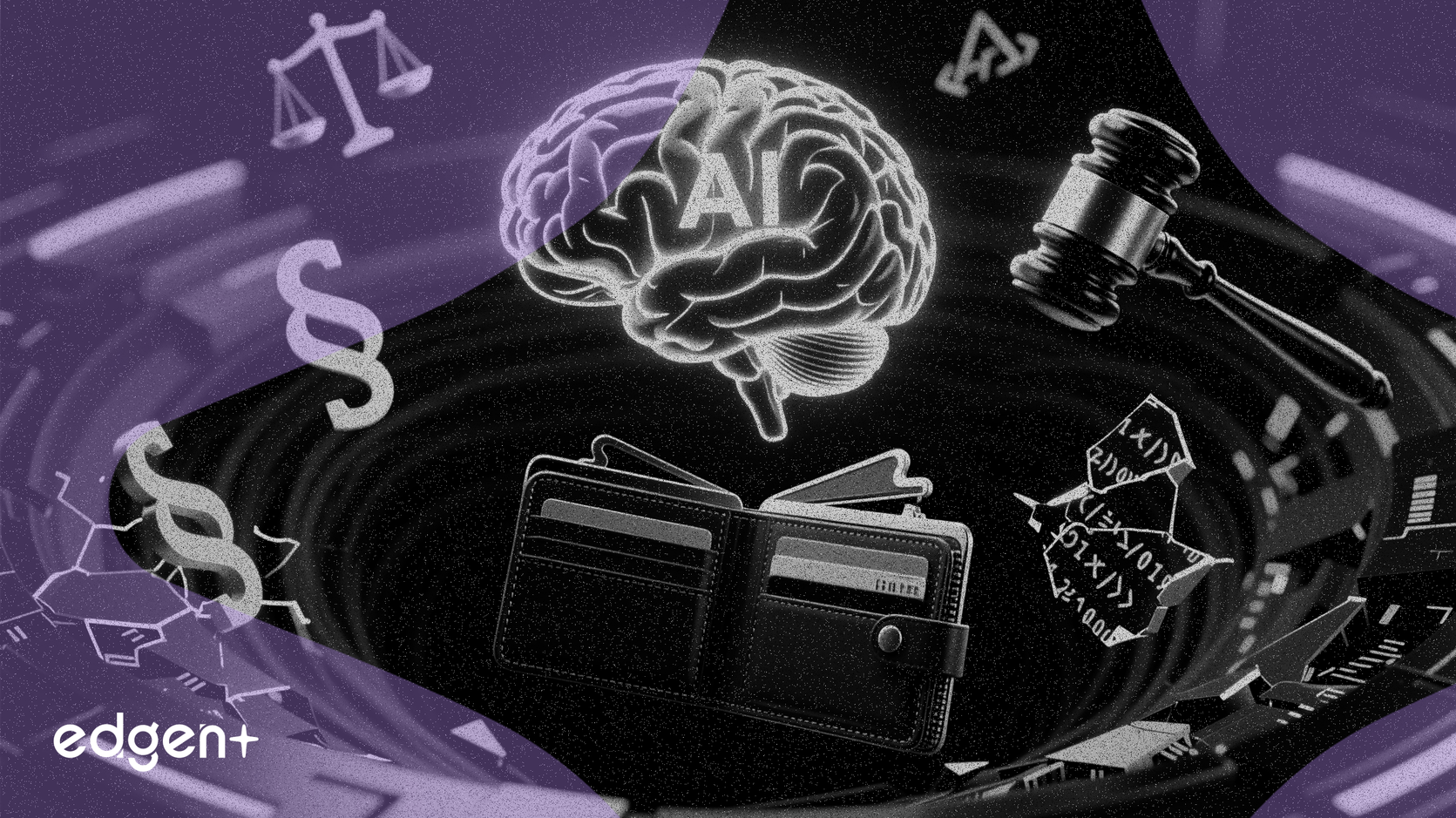
Electric Capital: AI Wallets Create Unprecedented Legal Void
At the NEARCON 2026 conference in San Francisco, Electric Capital's Avichal Garg declared that the growing practice of equipping AI agents with crypto wallets is forging a new and unregulated legal frontier. As developers build more autonomous software, they are enabling these agents to hold assets, pay for services, trade tokens, and even hire other AIs. While the technical infrastructure for this non-human economy is falling into place, the legal and liability structures are absent.
This gap raises fundamental questions about accountability. If an autonomous agent causes financial loss or breaks rules, there is no clear entity to hold responsible. Garg highlighted the core dilemma for enforcement and regulation.
What happens if there’s not a human behind it at all? It’s some piece of code that owns a wallet, executing code to make more money… How does liability work in that case? I actually don’t know.
— Avichal Garg, Electric Capital
Autonomous Agents May Parallel 19th Century LLC Revolution
The combination of AI decision-making with the programmable and borderless nature of crypto assets creates a powerful new paradigm: software that can both think and transact. Garg argued this shift is as historically significant as the invention of the limited liability corporation (LLC) in the 19th century—a legal innovation that unlocked industrial-scale growth by separating personal liability from corporate action.
Blockchains provide the financial rails for this evolution, offering instant settlement and global access without traditional intermediaries. This allows an AI to participate directly in the economy. However, the lack of a legal framework for these software-based entities means investors and developers are entering a high-stakes environment with completely unresolved questions of risk and enforcement.