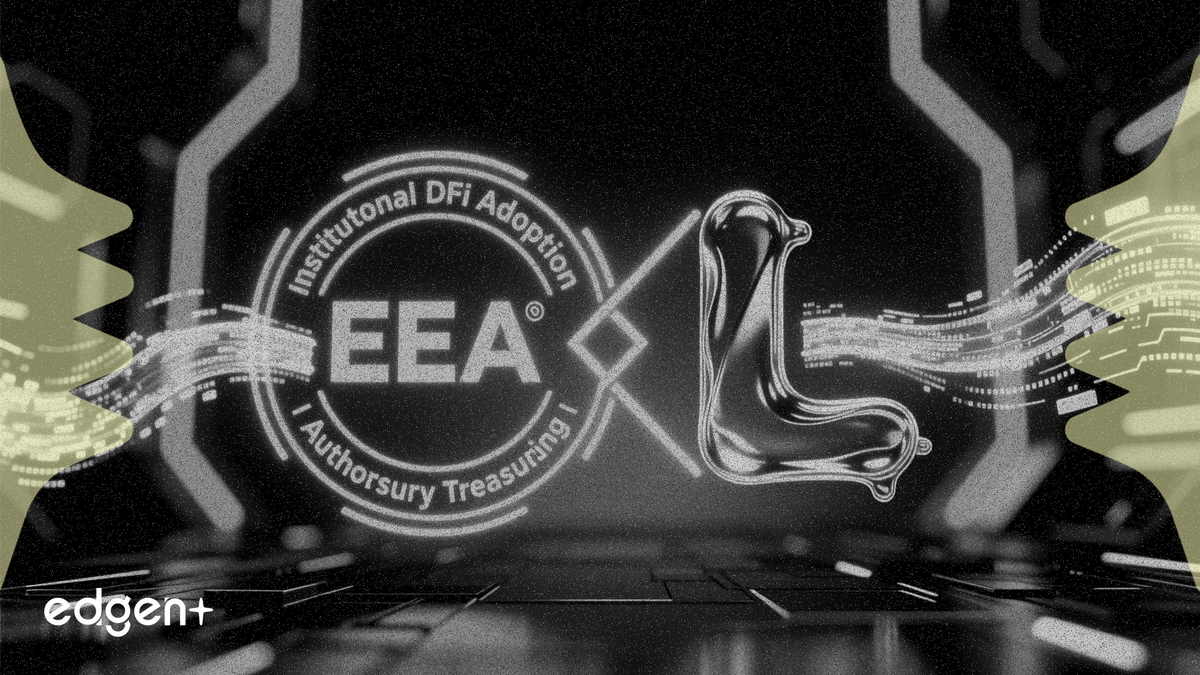
La Enterprise Ethereum Alliance (EEA) ha asignado una parte de su tesorería al protocolo de staking líquido de Lido, recibiendo stETH en un movimiento que señala una creciente confianza institucional en la infraestructura de las finanzas descentralizadas (DeFi). La transacción, completada el 8 de mayo, permite a la organización obtener rendimientos sobre sus tenencias de Ethereum sin las complejidades del staking directo.
El principal impulsor de esta asignación estratégica fue eludir los costos operativos, la sobrecarga técnica y los posibles períodos de espera asociados con el staking nativo de Ethereum. Al utilizar Lido, la EEA evita la necesidad de ejecutar sus propios nodos validadores y navega por las colas de entrada y salida de la red, que pueden inmovilizar el capital.
A través de Lido, el ETH en staking de la EEA se convirtió en Lido Staked ETH (stETH), un token líquido que representa su posición en staking. Este token sigue siendo libremente negociable y puede utilizarse como garantía en otras aplicaciones DeFi en Ethereum, lo que garantiza que el capital de la EEA siga siendo productivo y líquido mientras acumula recompensas por staking. Este enfoque contrasta con el staking nativo, donde los activos suelen estar bloqueados y carecen de liquidez durante un período indeterminado.
Esta decisión de la EEA, una organización dedicada a promover la adopción de Ethereum para aplicaciones empresariales, representa un hito significativo para el sector DeFi. Actúa como un poderoso voto de confianza en la seguridad y fiabilidad de protocolos establecidos como Lido para la gestión de tesorería corporativa. El movimiento podría sentar un precedente para otras instituciones que buscan generar rendimientos sobre tenencias de activos digitales de una manera eficiente en términos de capital. A medida que el mercado de activos digitales madura, los casos de uso en el mundo real se están convirtiendo en un motor crítico de valor, y la acción de la EEA es un claro ejemplo de esta tendencia.
Este artículo tiene únicamente fines informativos y no constituye asesoramiento de inversión.