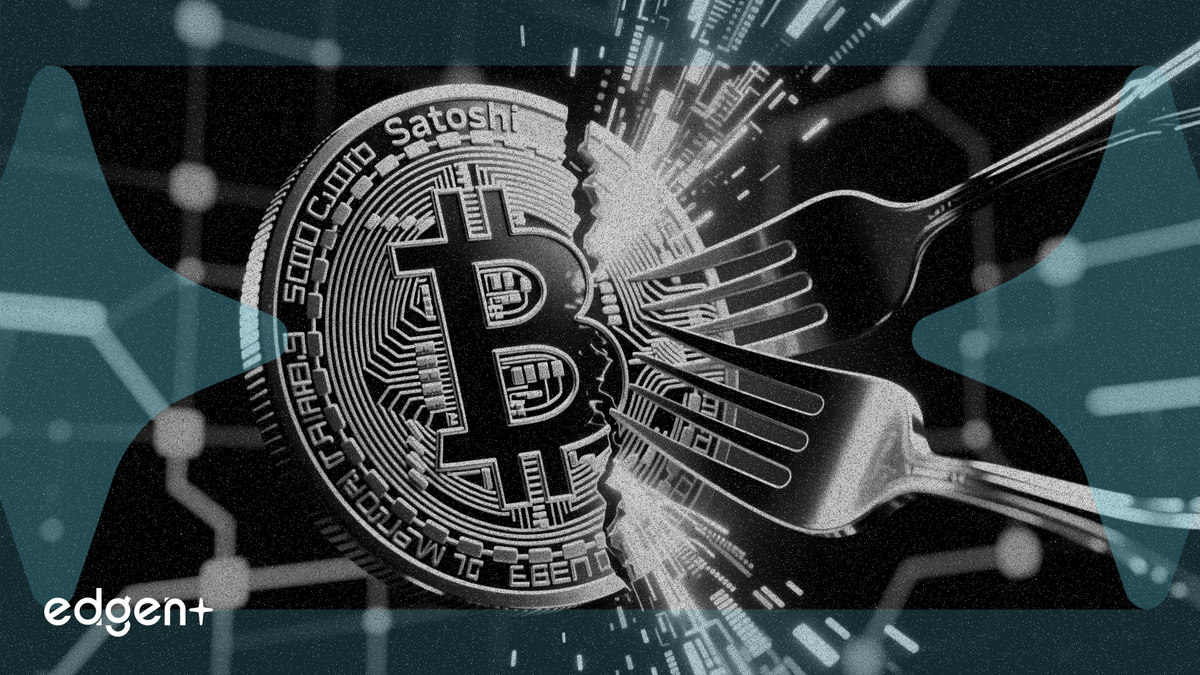
Une proposition pour un nouveau hard fork de Bitcoin nommé « eCash » a déclenché une tempête au sein de la communauté crypto en raison de son projet d'utiliser l'équivalent de 1,1 million de jetons liés au créateur Satoshi Nakamoto pour financer son développement. Le projet, dirigé par le développeur Paul Sztorc, créerait une nouvelle chaîne se séparant de Bitcoin au bloc 964 000.
« Prendre les jetons de Satoshi est un vol et un manque de respect », a déclaré Peter McCormack, défenseur de Bitcoin, dans un communiqué réagissant à la proposition. Ce sentiment a été partagé par d'autres qui soutiennent que cette initiative viole les principes fondamentaux du réseau en matière de propriété, même sur une nouvelle chaîne distincte.
Le projet eCash prévoit de distribuer son nouveau jeton aux détenteurs actuels de Bitcoin par le biais d'un airdrop selon un ratio de un pour un. Son principal changement technique implique l'intégration de BIP-300 et BIP-301, connus sous le nom de Drivechains, pour agir en tant que chaînes latérales (sidechains) du réseau principal. Sztorc a exposé des plans pour sept Drivechains de ce type, incluant une chaîne axée sur la confidentialité inspirée de Zcash et d'autres destinées aux bourses décentralisées et aux marchés de prédiction. Selon Sztorc, l'utilisation des fonds des portefeuilles de Satoshi sur la nouvelle chaîne est un « mal nécessaire » pour inciter les contributeurs et éviter que eCash ne devienne un « projet zombie ».
Le cœur de la controverse réside dans le précédent qu'elle pourrait créer. Les détracteurs préviennent que manipuler des comptes historiques, même ceux d'un fondateur anonyme sur une chaîne forkée, ouvre une boîte de Pandore. « eCash a créé un précédent dangereux, prouvant qu'ils peuvent voler des crypto-monnaies, et ils le feront », a déclaré Josh Ellithorpe, CTO chez Pixelated Ink, dans un message sur X. « Aujourd'hui c'est Satoshi, mais cela pourrait être n'importe qui ». Sergio Lerner, cofondateur de Rootstock Labs, a ajouté que l'airdrop de jetons à tous les UTXO Bitcoin expose les utilisateurs moyens à des risques importants en les encourageant à interagir avec des logiciels inconnus et potentiellement à déplacer des fonds de stockages à froid sécurisés.
Cet article est à titre informatif uniquement et ne constitue pas un conseil en investissement.