

Key Takeaways:
- Stanley Druckenmiller bought 196,000 Broadcom shares in Q1 2026
- He previously called selling Nvidia a "big mistake" after missing further gains
- The bet targets Broadcom's custom AI inference chips as the market shifts from training
Key Takeaways:
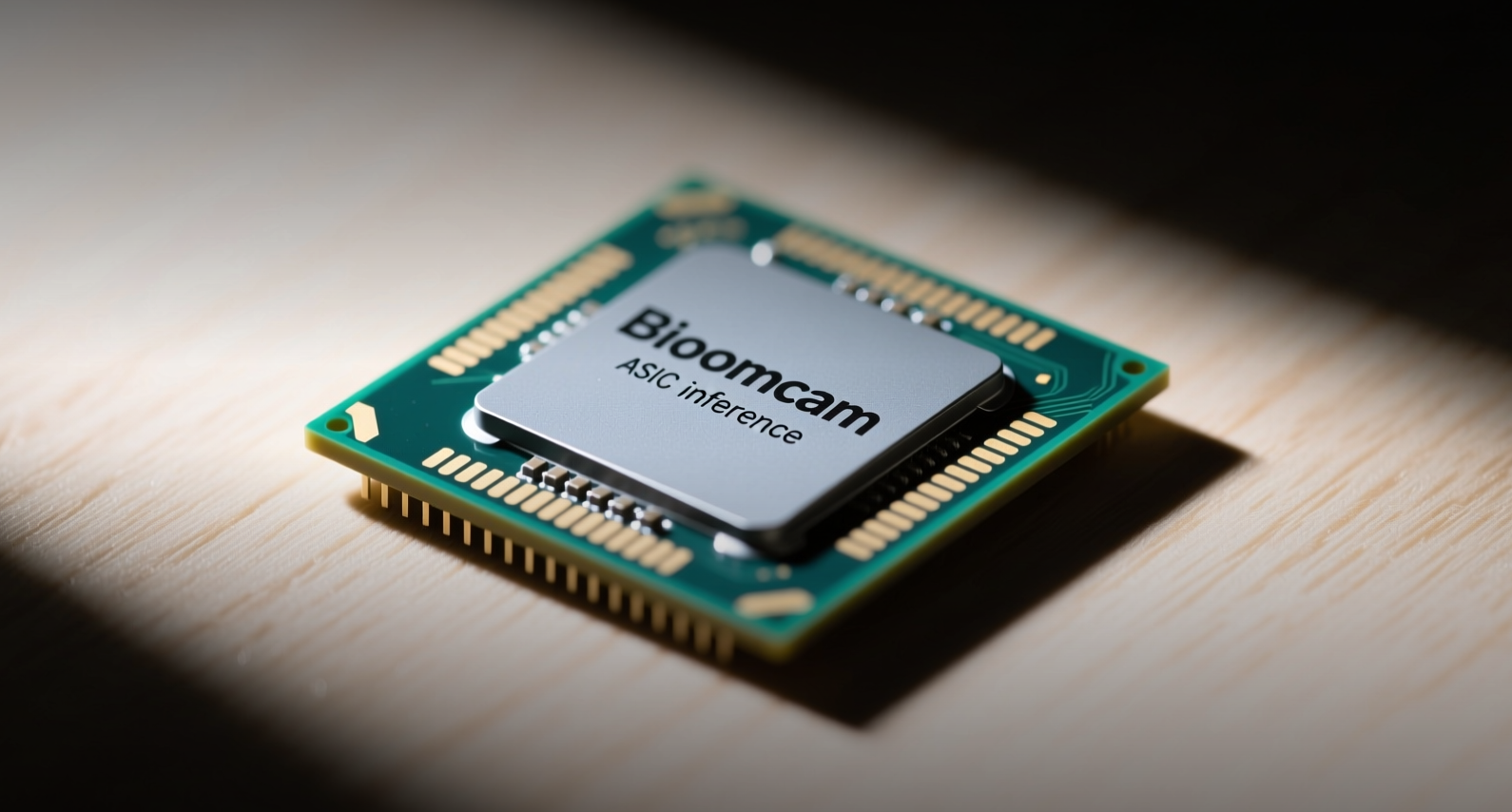
Stanley Druckenmiller's Duquesne Family Office bought 196,000 shares of Broadcom in the first quarter, a bet on the AI market's shift from training to inference.
"Selling Nvidia was a big mistake," Druckenmiller said, according to public filings. The billionaire investor initiated the new Broadcom position at an average price of $330 a share, and the stock now trades at about $365.
The 196,000-share purchase contrasts with Druckenmiller's earlier trading pattern. He built a Nvidia stake at a split-adjusted $22 to $24 per share in late 2022 and early 2023, sold the entire position at about $73.50 in mid-to-late 2024, and watched the stock climb to roughly $190. The early exit turned a potential $1.7 billion position into a $655 million realized gain.
The Broadcom bet targets a different AI thesis. While Nvidia dominates AI training with general-purpose data center GPUs, Broadcom produces application-specific integrated circuits customized for inference — the process of trained AI models accessing and applying data. At scale, Broadcom's ASICs can process AI tasks faster and more cost-efficiently than Nvidia's stand-alone GPUs, according to the company. That value proposition has won customers including Meta, Alphabet's Google, OpenAI and Anthropic.
Broadcom's AI chip sales surged 65% to $20 billion in fiscal 2025, accounting for 31% of total revenue. The company expects AI chip revenue to rise at least fivefold to over $100 billion by fiscal 2027, representing more than 58% of its projected $171 billion in total revenue. Analysts project Broadcom's annual revenue will more than triple from fiscal 2025 to fiscal 2028, with earnings per share more than quadrupling over the same period. The stock trades at 22 times next year's earnings.
Druckenmiller had traded in and out of Broadcom from 2023 to 2025 but held no shares at the end of 2025. The new position could signal he now views Broadcom as a long-term holding rather than a trade, especially as the AI market shifts toward inference workloads where Broadcom's custom chips hold a competitive edge. Investors will watch upcoming quarterly filings for any further accumulation.
This article is for informational purposes only and does not constitute investment advice.
