



Wall Street heads for a split open Tuesday, with Dow futures climbing 0.6% while Nasdaq futures slide 1% as investors rotate out of AI-exposed tech stocks.
Wall Street heads for a split open Tuesday, with Dow futures climbing 0.6% while Nasdaq futures slide 1% as investors rotate out of AI-exposed tech stocks.
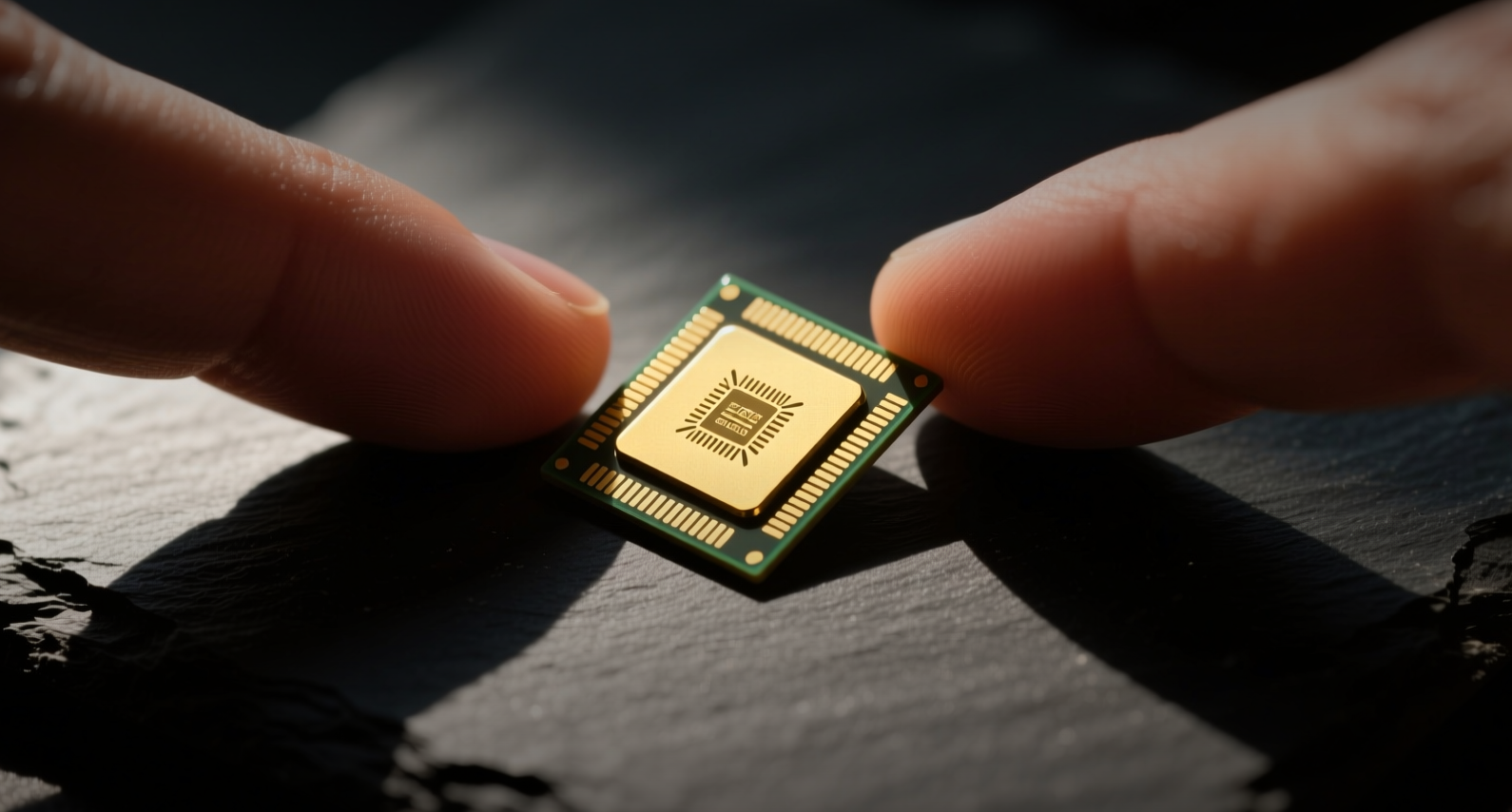
Wall Street heads for a split open Tuesday, with Dow futures climbing 0.6% while Nasdaq futures slide 1% as investors rotate out of AI-exposed tech stocks.
Dow Jones futures rose 317 points, or 0.6%, while Nasdaq 100 futures dropped 1% as AI spending concerns and Chinese competition weighed on semiconductor stocks. S&P 500 futures edged down 0.1%.
"The market is repricing the AI trade in real time — hyperscaler CapEx is ballooning while free cash flow is shrinking, and that combination is making investors question the return on investment," said Ipek Ozkardeskaya, senior analyst at Swissquote.
Chip stocks bore the brunt of the selloff, with Nvidia falling 1%, Micron sliding 5.5% and Applied Materials losing 4.3% in premarket trading. U.S.-listed shares of Taiwan Semiconductor Manufacturing Co. dropped 3.4%, while SK Hynix fell 4.8%. The Philadelphia SE Semiconductor Index has fallen more than 20% from its all-time high in June. On the Dow, Johnson & Johnson rose 2.3% after saying it would pay an estimated $5.5 billion to resolve talc lawsuits, while Coca-Cola gained 2.6% after raising its annual revenue and profit forecasts.
The rotation comes as four of the biggest AI hyperscalers — Amazon.com, Meta, Apple and Microsoft — report earnings this week, with investors focused on whether their combined hundreds of billions in AI infrastructure spending is generating returns. The Federal Reserve's rate decision Wednesday adds another layer of uncertainty, with traders pricing a 35.8% chance of a hike, according to LSEG data.
Oil Slide Adds to Rotation Fuel
Oil prices fell 2.5% to a one-week low as a fragile U.S.-Iran ceasefire appeared to hold. President Donald Trump said the U.S. was having "good talks" with Iran and that a deal to end the conflict was possible. The development helped lift energy-exposed Dow components while doing little to calm tech investors.
The U.S. 10-year Treasury yield edged higher as traders positioned for the Fed decision, while the dollar index held steady. The Conference Board's July consumer confidence report due later Tuesday could provide a clearer picture of how the Middle East conflict is affecting household sentiment.
Signs that Wall Street's biggest companies are running out of cash to fund their AI ambitions have made markets nervous, while China showcases cheaper AI models and deepens its presence in the semiconductor industry. Should Microsoft, Amazon or Meta announce a similar dive in free cash flow when they report this week, the rotation out of tech could accelerate, Ozkardeskaya said.
This article is for informational purposes only and does not constitute investment advice.
