
The collapse of U.S.-Iran peace talks sent a shockwave through global markets, unwinding recent optimism and triggering a classic flight-to-safety into the U.S. dollar.
The collapse of U.S.-Iran peace talks sent a shockwave through global markets, unwinding recent optimism and triggering a classic flight-to-safety into the U.S. dollar.
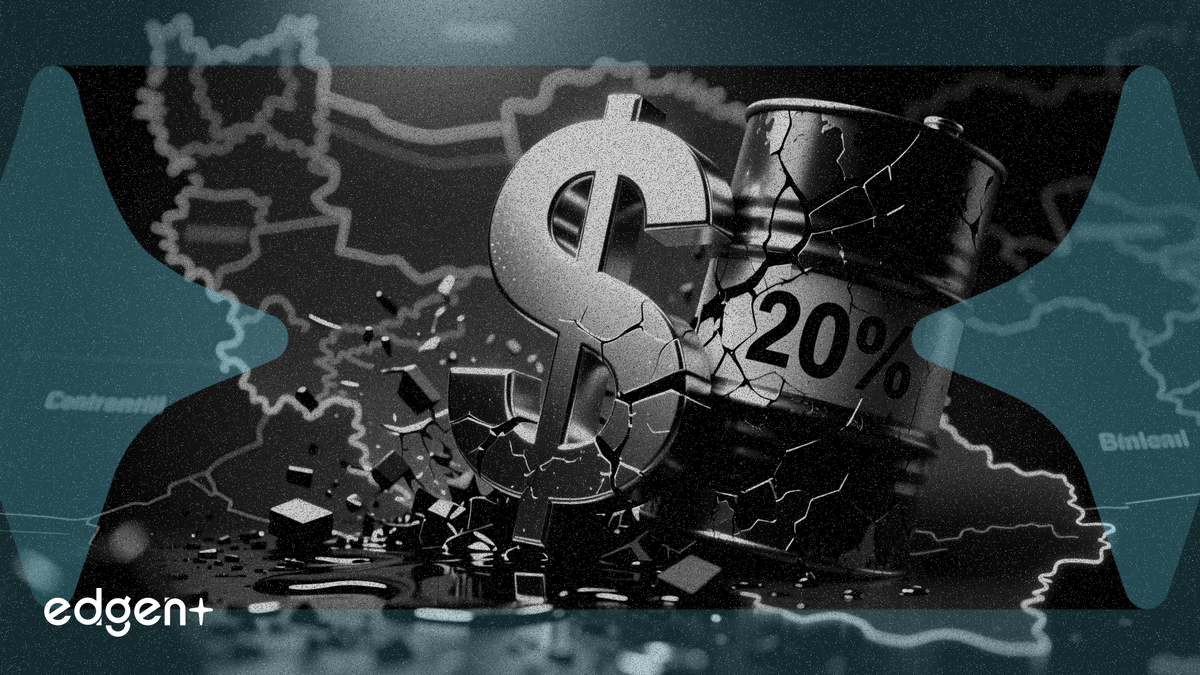
The U.S. dollar jumped against major currencies after peace talks between Washington and Tehran collapsed, with the U.S. now planning to blockade an energy chokepoint that handles 20 percent of the world's daily oil supplies.
"This is an absolute unwinding of any optimism heading into the peace talks into that play of dollar: safe-haven; oil jumping and selling out of everything else," Fiona Cincotta, senior market analyst at City Index, said.
The dollar's strength was broad, pushing the euro down 0.53 percent to $1.1663 and the Swiss franc to 0.7925. Risk-sensitive currencies tumbled, with the Australian dollar falling 1.1 percent, while U.S. stock futures dropped over 1 percent. In commodities, Brent crude futures climbed toward $102.31 a barrel.
The escalation threatens to prolong a conflict that has already driven oil prices up more than 30 percent, fueling global inflation and pressuring central banks like the European Central Bank and Bank of England to consider interest rate hikes that were previously off the table.
The breakdown in negotiations prompted President Donald Trump to announce the U.S. Navy would begin blockading the Strait of Hormuz, a vital artery for energy markets that Iran has effectively controlled since the war began in late February. The move reverses investor optimism that followed a fragile two-week ceasefire announced on April 7, which had helped the S&P 500 recoup nearly all of its war-related losses.
"The market is now largely back to conditions before the ceasefire, except now the US will block the remaining up to (2 million barrels) Iranian-linked flows through the Strait of Hormuz as well," said Saul Kavonic, an analyst at MST Marquee in Sydney. The key risk ahead is whether the U.S. renews strikes on Iran, which could endanger energy infrastructure across the region.
With oil prices sustaining their gains, investors are recalibrating expectations for global inflation. The conflict's persistence has inverted the outlook for monetary policy, particularly in Europe. Before the war, major central banks were expected to hold or cut rates; now, markets are pricing in the possibility of tightening cycles to combat energy-driven price pressures.
The dollar has been the primary beneficiary of the turmoil, acting as a preferred safe haven over gold, which has fallen about 10 percent since late February. The U.S. economy's relative insulation from imported energy inflation makes its currency the default choice for investors seeking shelter from the geopolitical storm.
This article is for informational purposes only and does not constitute investment advice.

