
Treasury Secretary Scott Bessent said the dollar can remain strong during a rate-cutting phase, signaling the administration's commitment to a strong-dollar policy even as markets price in a more hawkish Federal Reserve.
Treasury Secretary Scott Bessent said the dollar can remain strong during a rate-cutting phase, signaling the administration's commitment to a strong-dollar policy even as markets price in a more hawkish Federal Reserve.
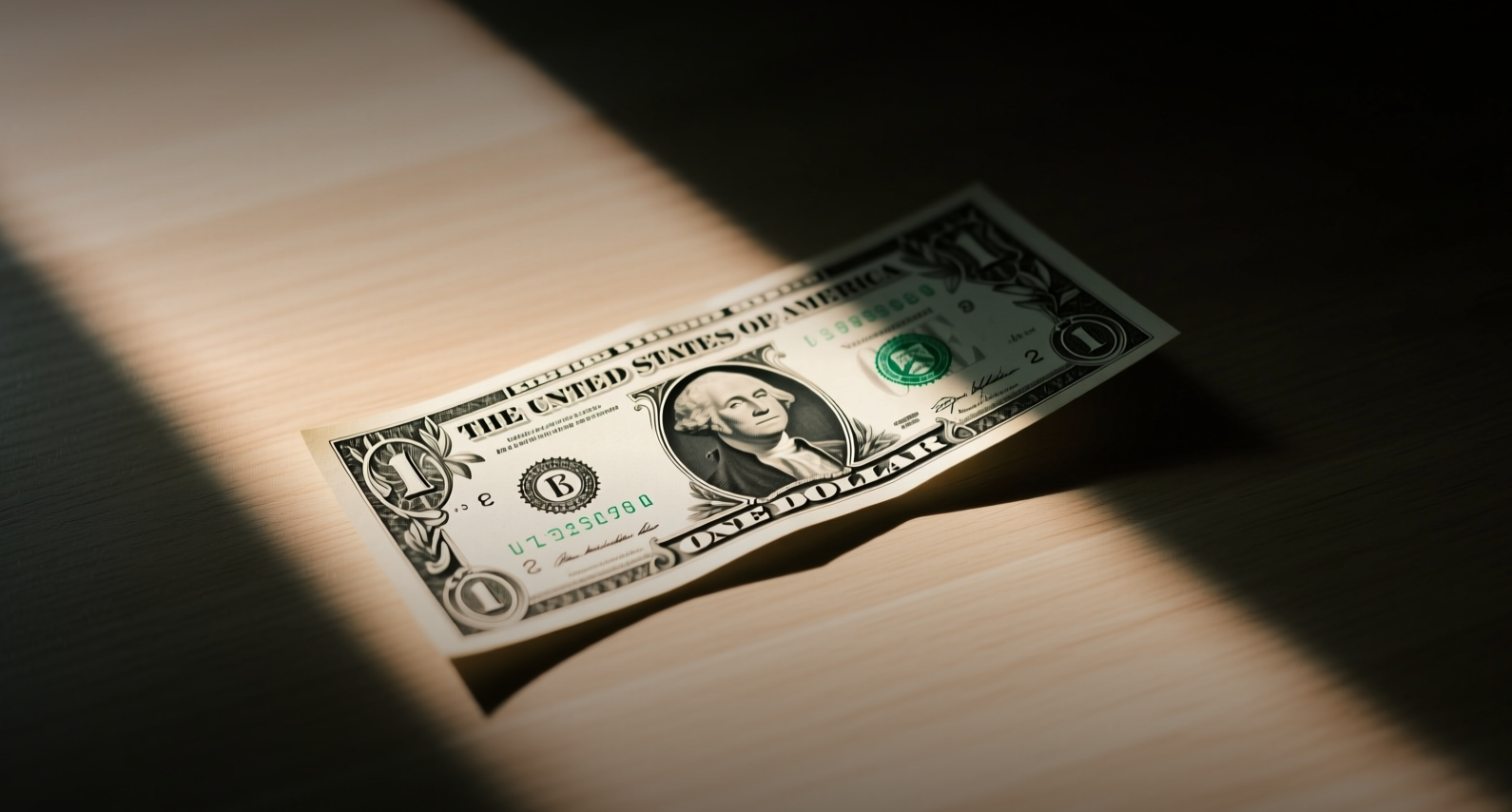
The dollar surged to its highest level in more than a year as Treasury Secretary Scott Bessent declared the administration is "keen" to keep the greenback strong, even as he forecast economic acceleration without inflation in the second half of 2026.
"The dollar can still remain strong during the rate-cutting phase," Bessent said in remarks that reinforced the administration's commitment to a strong-dollar policy. "We are keen to take action to keep the dollar strong."
The Bloomberg Dollar Index rose 0.36 percent to 101.37, the highest since May 2025, as the euro slid 0.44 percent to $1.1377 and sterling weakened 0.36 percent to $1.3199. Against the yen, the dollar strengthened to 161.55, approaching the 161.96 level that would mark the weakest yen since 1986.
Bessent's comments come as markets adjust to a more hawkish Federal Reserve under new Chairman Kevin Warsh, with CME FedWatch data showing a 34.2 percent probability of a 25-basis-point rate hike at the July meeting, up from 8.5 percent a week ago. The tension between the Treasury's strong-dollar stance and the market's repricing of rate expectations sets up a critical test for the greenback in the months ahead.
Bessent said he expects the US economy to accelerate in the second half of 2026 without pushing up inflation, a forecast that diverges from market pricing that has shifted toward tighter monetary policy. The fed funds rate currently stands at 5.25 percent to 5.5 percent, unchanged since July 2023, after the central bank held rates steady at its June meeting.
The divergence between Bessent's outlook and market expectations is stark. While the Treasury secretary envisions a rate-cutting environment, futures markets now price a 69.5 percent chance of a hike at the September meeting, up from 29.1 percent a week earlier. The last time the Fed used similarly hawkish language was in the first half of 2023, preceding a 25-basis-point hike at the July 2023 meeting that pushed the dollar index up 2.3 percent over the following month.
"The dollar's strength right now, at the end of the day, it's still hawkishness, if you look at Fed expectations with Fed funds futures right now, they are some of the highest odds that we've seen in a while," said Eugene Epstein, head of trading and structured products at Moneycorp in Stamford, Connecticut. "At the end of the day, you have to boil it down to rates, and the rates market is expecting much more hawkishness in the near term than they had been before."
Chicago Federal Reserve President Austan Goolsbee said Monday that with the labor market stable, he is focused on determining whether elevated inflation will persist or recede as the effect of high tariffs fades and if the Middle East conflict gets resolved. Euro zone inflation could stay above the European Central Bank's 2 percent target for some time, ECB Chief Economist Philip Lane said, though he argued the shock requires only a measured policy response.
The rate differential between the US and euro zone is widening, with Societe Generale Chief FX Strategist Kit Juckes saying it could be enough to push the euro through $1.14. "For once, the US has both a stronger economy than the euro zone and a rates market that prices in more Fed tightening than ECB tightening in the coming months," Juckes said in a note.
Japanese Finance Minister Satsuki Katayama held an online meeting with Bessent late Monday to discuss the historically weak yen, a source told Reuters, as concerns grow over sharp currency swings. Japanese authorities kept markets guessing about possible intervention, with the lack of clear signals suggesting a shift in communication tactics.
The strong-dollar stance carries implications beyond currency markets. A sustained rally in the greenback would pressure emerging-market currencies, squeeze multinational corporate earnings and weigh on commodity prices priced in dollars. Bessent's forecast of non-inflationary growth, if realized, would provide a rare combination that could support both the dollar and risk assets simultaneously.
This article is for informational purposes only and does not constitute investment advice.
