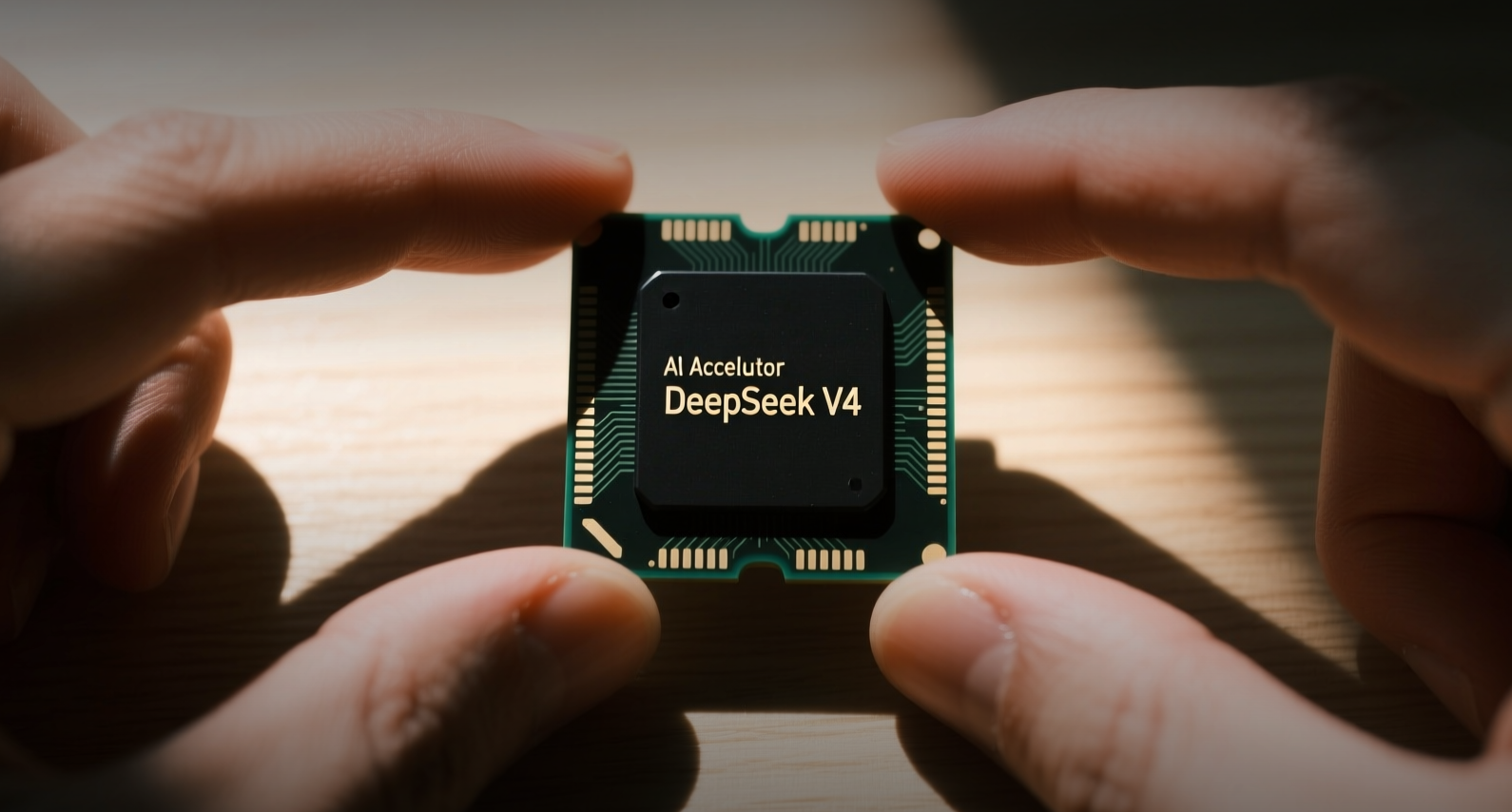
DeepSeek lanzará la versión oficial de V4 a mediados de julio con precios pico al doble de la tarifa normal.
La versión oficial de DeepSeek V4, que llegará a mediados de julio, cobrará a los clientes el doble durante las horas pico, una estrategia de precios que se basa en la ventaja de costos que el laboratorio chino ya tiene frente a Anthropic y OpenAI.
"La fijación de precios pico-valle nos permite asignar capacidad de cómputo de manera más eficiente durante las ventanas de alta demanda", declaró un portavoz de DeepSeek, sin revelar la tarifa base por token para la versión oficial.
Las horas pico son de 9 a.m. a 12 p.m. y de 2 p.m. a 6 p.m. diariamente, con tarifas al doble del precio valle. El modelo V4-Pro, que activa 49 mil millones de sus 1.6 billones de parámetros totales por pasada forward, ya cuesta aproximadamente el 1.5% del costo de Claude Fable 5 de Anthropic para tareas equivalentes, según el analista de Deutsche Bank Jim Reid.
La medida de precios sigue al lanzamiento por parte de DeepSeek el 27 de junio de DSpark, un marco de decodificación especulativa que aumenta la velocidad de generación de V4-Flash hasta en un 85% sin necesidad de actualizaciones de hardware. Para las empresas que ejecutan V4 a escala, la inferencia más rápida junto con los precios escalonados podrían reducir aún más los costos por token, presionando los márgenes de los proveedores de modelos estadounidenses antes de sus esperadas OPI.
El lanzamiento de la versión oficial culmina un período de rápida iteración. El marco DSpark de DeepSeek mejoró la velocidad de generación por usuario entre un 60% y un 85% en V4-Flash y entre un 57% y un 78% en V4-Pro en comparación con la línea base anterior MTP-1, según datos internos de producción. La compañía también publicó como código abierto DeepSpec, la pila completa de entrenamiento para modelos de decodificación especulativa, bajo una licencia MIT, poniendo la tecnología a disposición de equipos que utilizan modelos Qwen3 y Gemma.
Los laboratorios chinos de IA aprietan la tuerca de los precios
DeepSeek no es el único que desafía los precios estadounidenses. Z.ai, anteriormente Zhipu AI, lanzó GLM5.2 esta semana, un modelo que el estratega de Jefferies, Christopher Wood, calificó como "casi igual a Anthropic como competidor para el mercado corporativo" a una cuarta parte del costo por token. Operadores de Morgan Stanley señalaron que "la combinación de demanda claramente se está desplazando hacia modelos de menor costo".
El mecanismo pico-valle podría ampliar aún más la brecha de costos de DeepSeek durante las horas valle, cuando las tarifas se reducen a la mitad del nivel pico. Para aproximadamente el 90% de las tareas cotidianas, el V4-Pro de DeepSeek "hace prácticamente el mismo trabajo a aproximadamente el 1.5% del costo" de Claude Fable 5 de Anthropic, escribió Reid, de Deutsche Bank, el 18 de junio.
Lo que esto significa para los inversores
El cambio hacia modelos más baratos amenaza las narrativas de valoración de los proveedores estadounidenses de IA que planean salidas a bolsa. OpenAI está reconsiderando su cronograma de OPI debido al bajo rendimiento de las OPI tecnológicas y la creciente competencia de precios, según informó The New York Times. Anthropic enfrenta una presión similar a medida que los clientes empresariales evalúan alternativas de menor costo.
Para los fabricantes de GPU y proveedores de nube, la tendencia tiene un doble filo. Los costos más bajos por token podrían impulsar una adopción más amplia: Deloitte proyectó que las cargas de trabajo de inferencia representarían aproximadamente dos tercios de toda la computación de IA en 2026, frente a un tercio en 2023. Pero si las empresas trasladan sus cargas de trabajo a modelos más baratos o autogestionados, el crecimiento de los ingresos en los proveedores de nube a hiperescala podría desacelerarse. Los precios pico-valle de DeepSeek marcan una nueva fase en la guerra de precios de la IA, una en la que los laboratorios chinos utilizan la optimización de software y precios agresivos para capturar participación de mercado de los titulares estadounidenses.
Este artículo es solo con fines informativos y no constituye asesoramiento de inversión.