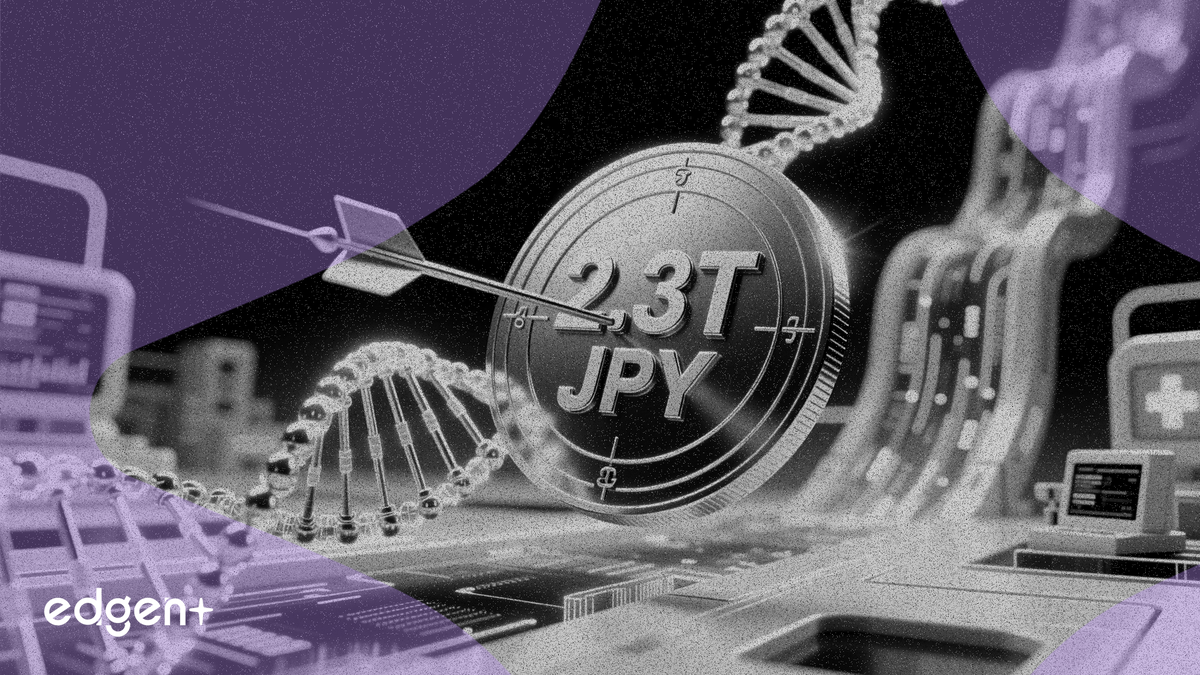
Daiichi Sankyo Co. đã tiết lộ một kế hoạch kinh doanh 5 năm đặt mục tiêu đạt doanh thu mảng ung thư hơn 2,3 nghìn tỷ yên (14,7 tỷ USD) vào năm 2030, một chiến lược tập trung vào danh mục kháng thể liên hợp thuốc (ADC) dẫn đầu ngành.
"Kế hoạch kinh doanh 5 năm mới của chúng tôi đại diện cho một giai đoạn mang tính quyết định và chuyển đổi cho Daiichi Sankyo," Hiroyuki Okuzawa, Chủ tịch kiêm CEO của Daiichi Sankyo, cho biết trong một tuyên bố vào ngày 11 tháng 5. "Bằng cách tận dụng thế mạnh của chúng tôi về khoa học và công nghệ... Daiichi Sankyo cam kết cung cấp các loại thuốc cải tiến cho bệnh nhân nhanh hơn trong khi thúc đẩy tăng trưởng bền vững."
Hãng dược có trụ sở tại Tokyo đang đặt mục tiêu tổng doanh thu là ba nghìn tỷ yên và lợi nhuận hoạt động hơn 600 tỷ yên vào cuối năm tài chính 2030. Kế hoạch bao gồm năm đợt ra mắt thay đổi thực tiễn lâm sàng được lên kế hoạch chỉ trong năm tài chính 2026 trên danh mục DXd ADC của mình, bao gồm các chỉ định ung thư vú mới cho Enhertu và Datroway.
Các mục tiêu đầy tham vọng này đưa Daiichi Sankyo vào lộ trình trở thành một trong năm công ty ung thư hàng đầu thế giới vào năm 2035, tìm cách tiếp cận hơn 700.000 bệnh nhân mới mỗi năm vào thời điểm đó. Kế hoạch dựa trên việc tối đa hóa giá trị của nền tảng DXd ADC, nền tảng vốn đã tạo ra các động lực doanh thu chính và thay đổi các tiêu chuẩn điều trị trong một số loại ung thư.
Danh mục ADC Thúc đẩy Tăng trưởng
Nền tảng của kế hoạch tăng trưởng là công nghệ ADC của công ty, sử dụng các kháng thể để đưa các chất độc tiêu diệt ung thư mạnh mẽ trực tiếp vào các tế bào khối u. Thành công lớn đầu tiên của công ty, Enhertu, được phát triển với sự hợp tác của AstraZeneca, đã trở thành ADC thành công nhất từ trước đến nay tính theo doanh thu.
"Enhertu đã thay đổi cách phân loại và điều trị ung thư vú," Ken Keller, Giám đốc Toàn cầu mảng Kinh doanh Ung thư tại Daiichi Sankyo cho biết. "Datroway, kháng thể liên hợp thuốc DXd thứ hai của chúng tôi, đang trên đường thay đổi mô hình điều trị ung thư vú bộ ba âm tính." Công ty có kế hoạch mở rộng vị thế dẫn đầu sang ung thư phổi, với hơn 10 lần ra mắt chỉ định mới được lên kế hoạch cho loại khối u đó.
Đổi mới và Cạnh tranh
Trong khi nền tảng ADC là động cơ tăng trưởng hiện tại, Daiichi Sankyo cũng đang tăng cường nghiên cứu và phát triển thông qua phương pháp tiếp cận "công nghệ tạo đột phá". Công ty đặt mục tiêu xác định các nền tảng khám phá thuốc mới vào năm 2030, bao gồm các kháng thể đa đặc hiệu và phân hủy protein có mục tiêu, để duy trì tăng trưởng vượt ra ngoài thập kỷ tới.
Kế hoạch đầy tham vọng của công ty được đưa ra ngay sau khi báo cáo dự báo lợi nhuận năm tài chính 2025 bị ảnh hưởng đáng kể do chi phí liên quan đến chiến lược sản xuất ADC dự phòng. Công ty đang điều hướng một chuỗi cung ứng toàn cầu phức tạp và sự cạnh tranh gay gắt từ các công ty lớn khác trong lĩnh vực ung thư như Johnson & Johnson, Merck và chính đối tác AstraZeneca.
Chiến lược mới báo hiệu sự tự tin của Daiichi Sankyo vào nền tảng ADC của mình để thách thức các nhà lãnh đạo ung thư đã thành danh và mở rộng đáng kể thị phần. Các nhà đầu tư sẽ theo dõi chặt chẽ việc thực hiện 20 đợt ra mắt chỉ định đã được lên kế hoạch và tiến độ phát triển lộ trình công nghệ thế hệ tiếp theo.
Bài viết này chỉ mang tính chất thông tin và không cấu thành lời khuyên đầu tư.