CVS Health is betting its 9,000-store network can solve the access problem holding back the GLP-1 market.
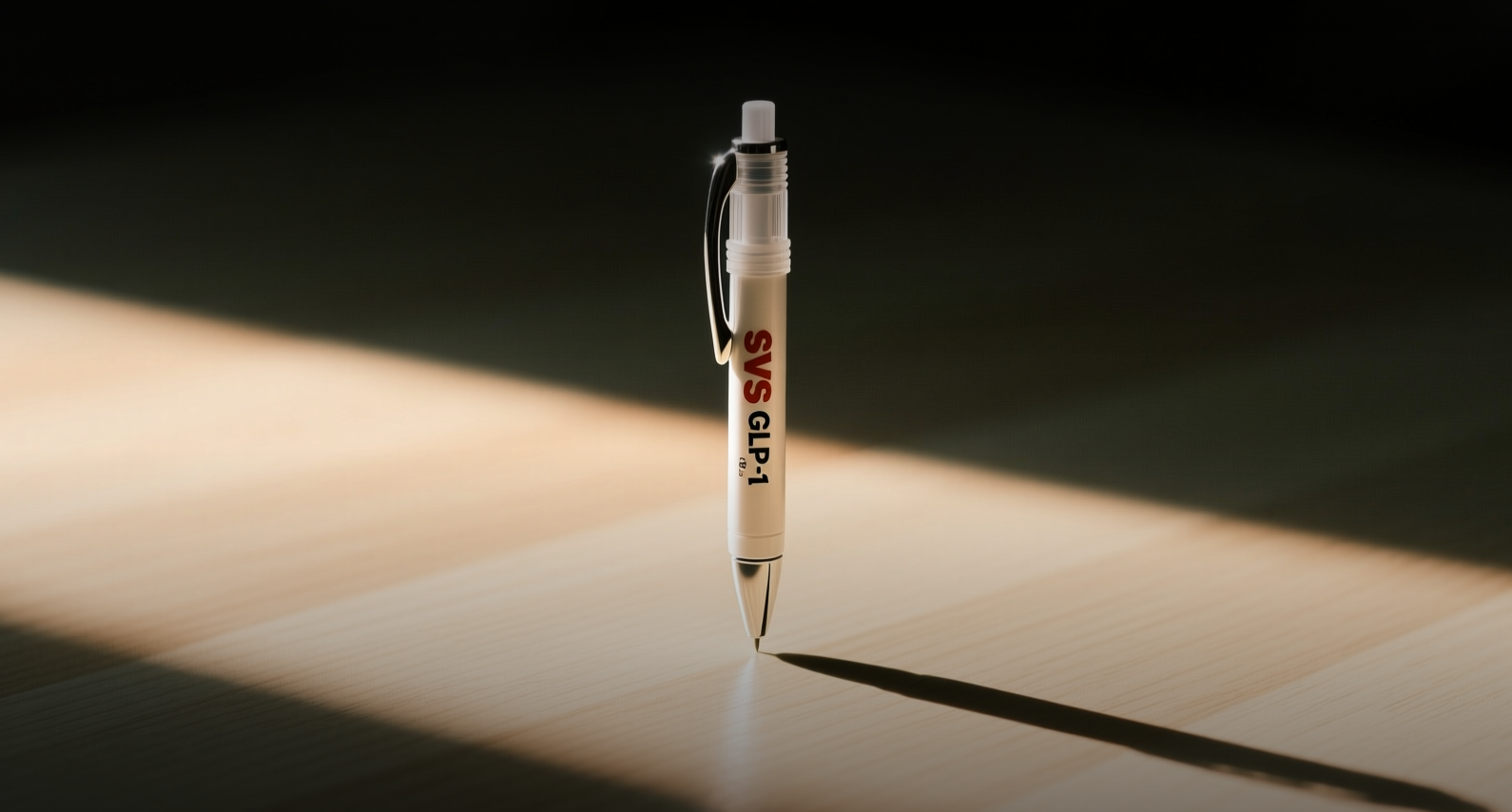
CVS Health launched a program offering virtual consultations for as little as $49 and GLP-1 medications starting at $25 a month, betting its 9,000-pharmacy network can capture a share of the fast-growing weight-loss drug market.
"Access is only part of the equation with GLP-1 medications. Patients also need support to stay on therapy and see results," Sid Tenneti, interim president of pharmacy and consumer wellness at CVS Health, said.
The initiative includes $49 virtual visits through MinuteClinic, one-on-one professional support, and over-the-counter products to manage side effects. Starting July 1, CVS will participate in the Centers for Medicare & Medicaid Services' Medicare GLP-1 Bridge Program, a federal discount initiative. Bank of America analyst Allen Lutz raised his price target on the stock to $110 from $100, implying about 6 percent upside from current levels near $104.
The move positions CVS to benefit from a GLP-1 market constrained by high costs and inconsistent insurance coverage. With more than 9,000 locations and a diversified business spanning pharmacy services, insurance through Aetna, and primary care, the company can capture patients across the care journey — from prescription to ongoing management.
Revenue Recovery and Margin Turnaround
CVS Health's financial results have improved after several years of challenges in its Medicare Advantage division, where rising medical costs had eroded profits. In the first quarter, revenue rose 6 percent year over year to $100.4 billion, while adjusted earnings per share climbed 14 percent to $2.57. The company raised its guidance for the full fiscal year 2026.
The stock has drawn broader analyst attention. Multiple firms including Mizuho, Morgan Stanley, Truist, Barclays, and Bernstein have raised price targets into a range of $106 to $115, citing margin recovery in government businesses and steadier commercial trends. Morgan Stanley and Barclays pointed to softer utilization trends across managed care peers and artificial intelligence-related efficiency opportunities as supporting their positive stance. Bernstein cited progress on pharmacy benefit manager reform and a more predictable policy backdrop for CVS's turnaround efforts.
Deutsche Bank, while acknowledging a positive outcome from the Centers for Medicare & Medicaid Services, flagged ongoing margin pressure as a risk, noting that execution on cost control and pricing remains an area to watch.
What the GLP-1 Push Means for CVS
Weight-loss drugs have been difficult for patients to obtain, largely because of cost. GLP-1 medicines can run several hundred dollars a month, and insurance coverage for weight loss has been inconsistent. CVS's program addresses both barriers: it offers a low-cost entry point through $49 virtual visits and discounted pricing through its pharmacy network and the CMS Bridge program.
The company also provides follow-up support and side-effect management — addressing the high discontinuation rates that have plagued the GLP-1 category. By keeping patients on therapy longer, CVS can generate recurring pharmacy revenue while also collecting insurance premiums through its Aetna health plan business.
CVS Health also offers a dividend yield of 2.5 percent, more than double the S&P 500's average of 1.1 percent, with payouts rising 56.5 percent over the past decade. For income-focused investors, the stock provides a combination of yield and exposure to one of the fastest-growing segments in health care.
This article is for informational purposes only and does not constitute investment advice.