Violent Crypto Thefts Jump 75% in 2025, Costing Investors Over $40M
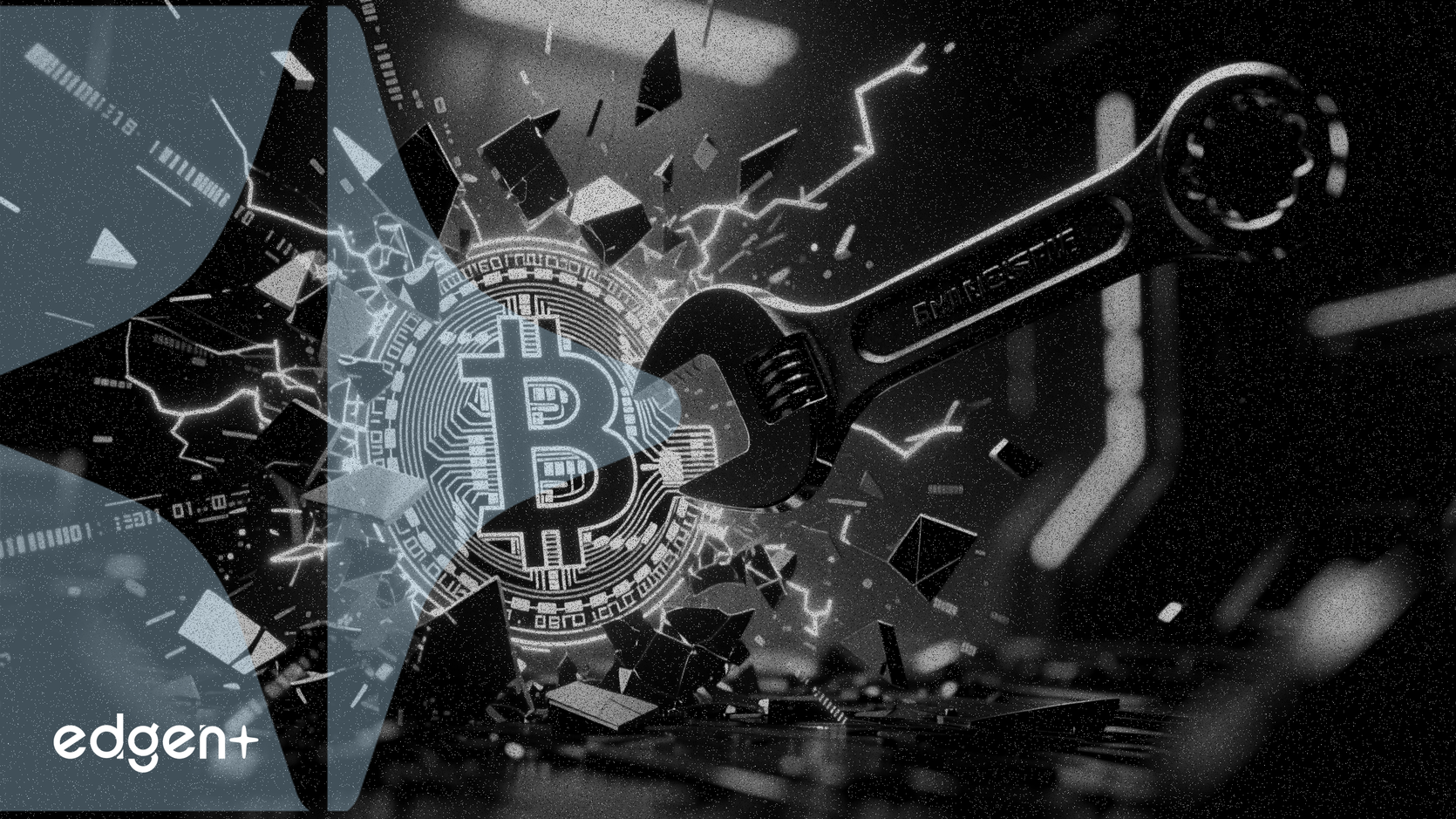
Physical crime targeting cryptocurrency holders escalated significantly in 2025, with incidents of violent theft jumping 75% from the previous year. A new report from the security firm CertiK documented 72 confirmed cases of these so-called "wrench attacks" globally, where criminals use physical force or threats to coerce victims into transferring their digital assets. The total confirmed losses from these attacks exceeded $40 million, highlighting a dangerous new risk vector for investors.
CertiK's findings mark 2025 as a pivotal year where physical violence became a core threat. The report detailed a 250% increase in documented physical assaults, which included home invasions, kidnappings, and targeted attacks against family members to force compliance. This trend indicates that as on-chain security and digital defenses become more robust, criminals are shifting their focus to the more vulnerable human element.
Europe Becomes Epicenter for Attacks, Accounting for Over 40% of Incidents
Europe has transformed into a primary hotspot for violent crypto crime, now accounting for over 40% of all global incidents in 2025, a sharp rise from just 22% in 2024. France recorded the highest number of attacks with 19 separate cases, more than double the figure reported in the United States. CertiK connects this surge to organized crime groups systematically targeting known crypto holders in countries like France, Spain, and Sweden.
Attack methods have become increasingly sophisticated and personal. Criminals are not only perpetrating home invasions but also using elaborate "honey pot" schemes, where attackers feign romantic interest to lure victims into situations where they can be assaulted and robbed. This geographic concentration and tactical evolution signals a maturing criminal strategy focused on regions with a high density of wealthy crypto investors.
The 'Technical Paradox' Spurs New Insurance Products
The rise in physical attacks illustrates what CertiK calls the “Technical Paradox”: stronger digital security protocols directly contribute to an increase in physical violence. As hacking becomes more difficult and expensive, criminals find it more effective to threaten a person with a weapon than to breach a secure digital wallet. This shift underscores that the human layer remains the weakest link in the security chain.
In response to this growing threat, the financial industry is beginning to adapt. Major insurers, including Lloyd’s of London, have started to offer specialized policies that explicitly provide coverage against losses from wrench attacks. The availability of such insurance products acknowledges that physical security and personal safety are now critical components of risk management for anyone holding significant digital assets.