


Key Takeaways: Nine-year-old Nvidia A100 chips are still commanding rental contracts into 2029 — and that's reshaping how Wall Street prices AI hardware.
Key Takeaways: Nine-year-old Nvidia A100 chips are still commanding rental contracts into 2029 — and that's reshaping how Wall Street prices AI hardware.
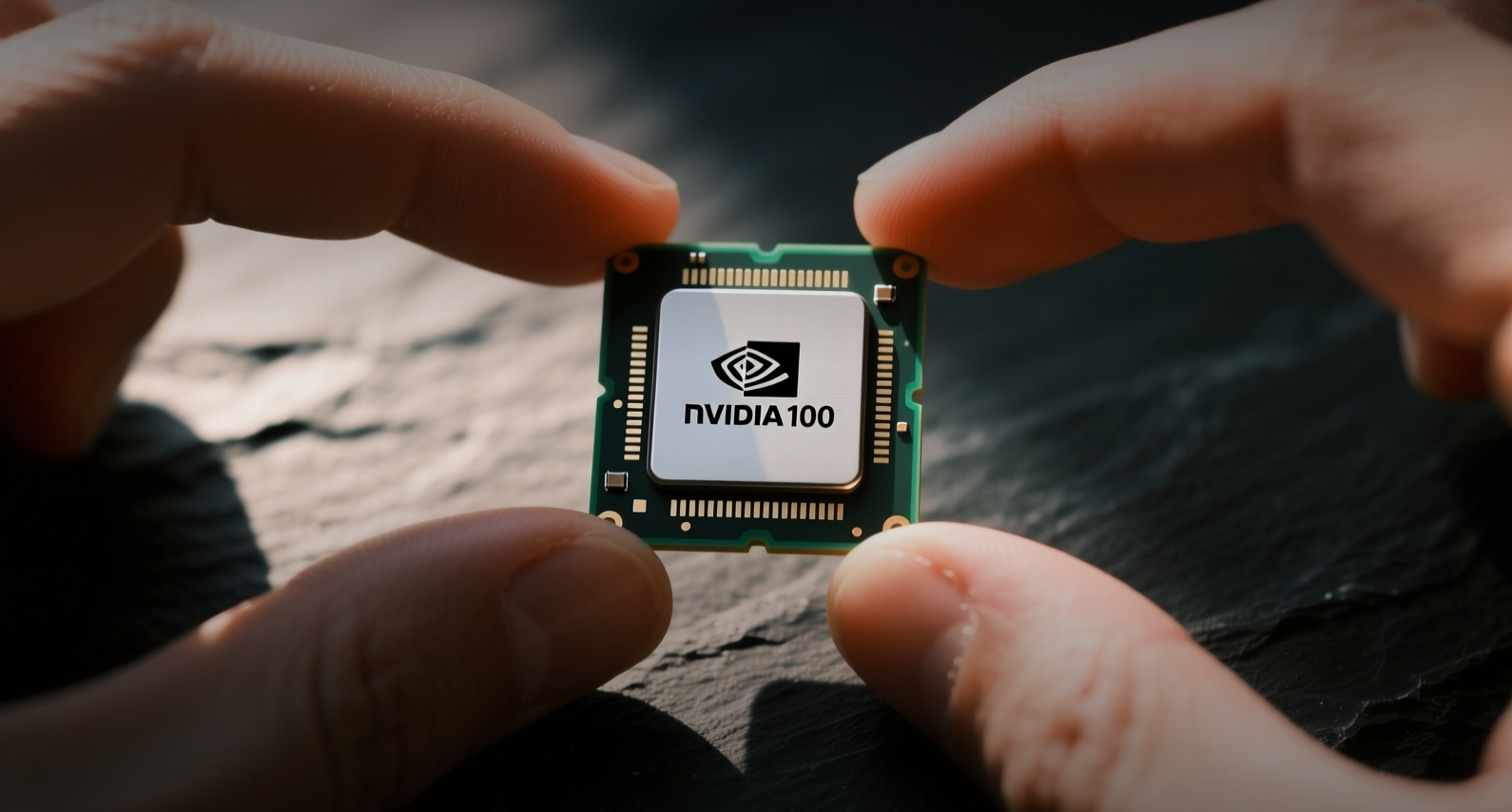
CoreWeave's contract to rent nine-year-old Nvidia A100 GPUs into 2029 challenges the assumption that AI hardware depreciates within two to three years.
"We recently signed an A100 contract that extends into 2029 at an attractive price," Nitin Agrawal, chief financial officer at CoreWeave, said on the company's earnings call. The company is "largely sold out" of older Nvidia chip generations, he added.
CoreWeave delivered $2.58 billion in Q2 revenue, raised its 2026 guidance, and expanded its backlog to $104.2 billion. New contracts carry 5 percent to 10 percent higher contribution margins while pricing increased approximately 25 percent across key SKUs. Managed inference annual recurring revenue exceeded $100 million.
The stakes extend well beyond CoreWeave's balance sheet. Nvidia this week announced partnerships with Apollo, BlackRock, Blackstone, Brookfield, Goldman Sachs, and KKR to mobilize more than $500 billion for AI infrastructure. Those investments — and the emerging market for compute bonds, securitized debt backed by data center hardware — depend on AI hardware retaining value for years.
The newest chips are essential for building frontier AI models, but once those models are trained, a wide range of inference and fine-tuning workloads don't require the latest silicon. Older GPUs get repurposed for these less demanding tasks and continue generating revenue. Erwan Menard, senior vice president at AI infrastructure company Crusoe, said GPUs can move from one type of work to another as they age. Matt Rowe at Lambda said effective lives can stretch to seven or eight years.
Warranty contracts also extend fleet longevity. GPU warranties typically last five years, so failed units are replaced with new ones, effectively refreshing the fleet. Silicon Data, which tracks GPU rental prices, said A100 rates have held up well after a strong rebound in 2026. "We are still learning when it comes to the question of economic lifespan of GPUs. It certainly doesn't appear to be 2-3 years as some seem to casually assume," the firm wrote on X.
The rental-market evidence matters because it reflects actual demand, not just vendor claims. If customers are willing to commit to A100 capacity through 2029, that's a market-based signal that the chips still deliver economic value. CoreWeave's CFO said the company is "largely sold out" of older Nvidia generations, suggesting demand extends beyond a single contract.
The implications for the competitive landscape are significant. If older GPUs retain value, hyperscalers and AI cloud providers can extend the useful life of their deployed fleets rather than accelerating replacement cycles. That changes the economics of the AI infrastructure arms race — companies like Microsoft, Amazon, and Google, which collectively spend hundreds of billions on data center capex, could stretch their GPU investments further. It also pressures Nvidia's upgrade cycle, though the company's dominant position in the newest chips means it captures value at both ends of the lifecycle.
The depreciation question has become central to the AI infrastructure financing boom. Nvidia's partnerships with Apollo, BlackRock, Blackstone, Brookfield, Goldman Sachs, and KKR aim to channel more than $500 billion into AI data centers over time. If GPUs lost most of their value within three years, companies spending billions on infrastructure would face massive write-downs, squeezing profits and undermining the collateral backing compute bonds.
CoreWeave's evidence suggests the opposite. The company carries $35.6 billion in debt, but GPU-backed financing facilities are reducing balance sheet pressure. Shares jumped 20 percent on Wednesday after the earnings call, reflecting investor relief that the depreciation risk may be overstated.
The compute bond market adds another layer. Jim Cramer has publicly endorsed the emerging market for compute bonds — securitized debt backed by data center hardware and Nvidia GPUs. If GPU residual values hold, the collateral base for these instruments strengthens, potentially lowering financing costs across the AI infrastructure sector.
The debate over GPU lifespans has been one of the most contentious in the AI trade. Short sellers have argued that rapid advances from Nvidia could make older chips obsolete within two or three years, forcing companies to write down billions in infrastructure investments. CoreWeave's A100 contract, along with rental-market data, suggests the opposite may be happening — and that has direct implications for how investors value AI infrastructure companies.
CoreWeave's A100 contract into 2029 is a single data point, but it aligns with rental-market evidence and industry commentary pointing to longer GPU lifespans. If the trend holds, cloud providers can support higher book values for deployed GPU fleets, which would strengthen the collateral base for compute bonds and reduce the cost of AI infrastructure financing. Nvidia, trading at a premium to the broader market, stands to benefit most from the extended value of its installed base.
This article is for informational purposes only and does not constitute investment advice.
