
A CMA CGM container ship navigated out of the Strait of Hormuz on Sunday, but 10 vessels remain trapped as renewed US-Iran strikes shatter a fragile ceasefire.
A CMA CGM container ship navigated out of the Strait of Hormuz on Sunday, but 10 vessels remain trapped as renewed US-Iran strikes shatter a fragile ceasefire.
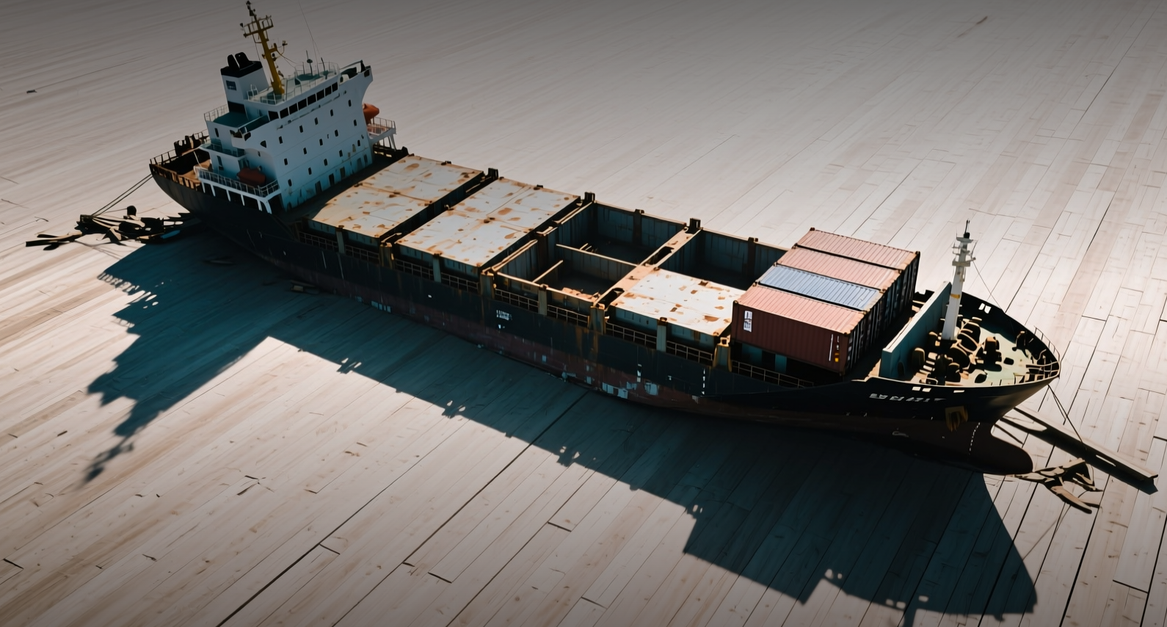
A CMA CGM container ship navigated out of the Strait of Hormuz on Sunday, but 10 vessels remain trapped as renewed US-Iran strikes shatter a fragile ceasefire.
CMA CGM's Galapagos exited the Strait of Hormuz on Sunday, but renewed US-Iran attacks have left 10 vessels stranded and pushed daily traffic to 54 ships — less than half the pre-war average of 130.
"Shipping is literally caught in the crossfire as the US and Iran battle for control of Hormuz strait," said Michelle Wiese Bockmann, an analyst at maritime intelligence firm Windward. "This does little to restore confidence that security and safety can be guaranteed to get stranded ships out."
The successful transit came as the UK Maritime Trade Operations agency raised its threat assessment to "substantial" after a tanker was struck by an unidentified projectile on Saturday, causing no injuries or environmental damage. Ship traffic through the waterway had been recovering — 73 vessels crossed on Wednesday, according to data from maritime analysis firm Kpler — before Iran attacked the Ever Lovely container ship on Thursday. The US retaliated with strikes on Friday, and Iran responded by attacking Bahrain with drones on Saturday. The International Maritime Organization has evacuated 115 vessels with about 2,500 crew since Tuesday, Secretary-General Arsenio Dominguez said, though the Ever Lovely was not part of that effort.
The Strait of Hormuz handles about 21% of global oil trade, and the renewed hostilities threaten to reverse the fragile recovery that followed a preliminary peace agreement signed just over a week ago. "Risks will remain high for shipping," said Noam Raydan, a senior fellow at the Washington Institute for Near East Policy. "Iran is unwilling to halt its attacks on ships and threats — and this will continue requiring a response from the US."
CMA CGM, which has 10 ships still stationed in the Gulf since hostilities erupted four months ago, declined to disclose further details about the Galapagos's cautious exit. Harry Vafias, CEO of Stealth Gas, said one of his three vessels stuck in the Persian Gulf for more than three months was able to exit in recent days, but the other two remain trapped. "The situation in Hormuz seems to be deteriorating once more," he said.
Iran has in recent weeks attempted to assert formal control over shipping in the strait — a power it did not hold before the conflict — demanding vessel operators obtain permission before transiting and threatening those that do not comply. US Central Command said it has assisted the passage of more than 500 vessels since early May, providing safe passage coordination along routes near Oman's coastline.
The dueling enforcement regimes have left ship operators in a bind: those seeking US assistance risk becoming Iranian targets, while those seeking Iranian permission face a legitimacy dilemma. After the US strikes on Friday, ships began turning off the systems that broadcast their locations, according to Windward's Wiese Bockmann, a sign that confidence in safe passage has eroded.
The latest attacks occurred roughly a week after the US and Iran signed a preliminary peace agreement that included a provision to reopen the strait. Before the conflict, roughly 130 ships transited daily. Even at the recent peak of 73 on Wednesday, traffic remained 44% below that baseline, and Saturday's tally of at least 10 vessels suggests the recovery has stalled. The last time the strait faced a comparable disruption — during the 2019 tanker attacks — shipping volumes recovered within weeks, but the current conflict involves direct state-on-state strikes, raising the risk of a prolonged standoff.
Brent crude prices have risen as the standoff threatens supply routes that carry about 17 million barrels of oil per day through the strait. War risk premiums for vessels transiting the Gulf have surged, with insurers charging rates that reflect the elevated probability of strikes, according to shipping brokers. The renewed violence also pushed gold higher as investors sought safe-haven assets, while defense stocks in the US and Europe gained on expectations of sustained military engagement in the region.
This article is for informational purposes only and does not constitute investment advice.
