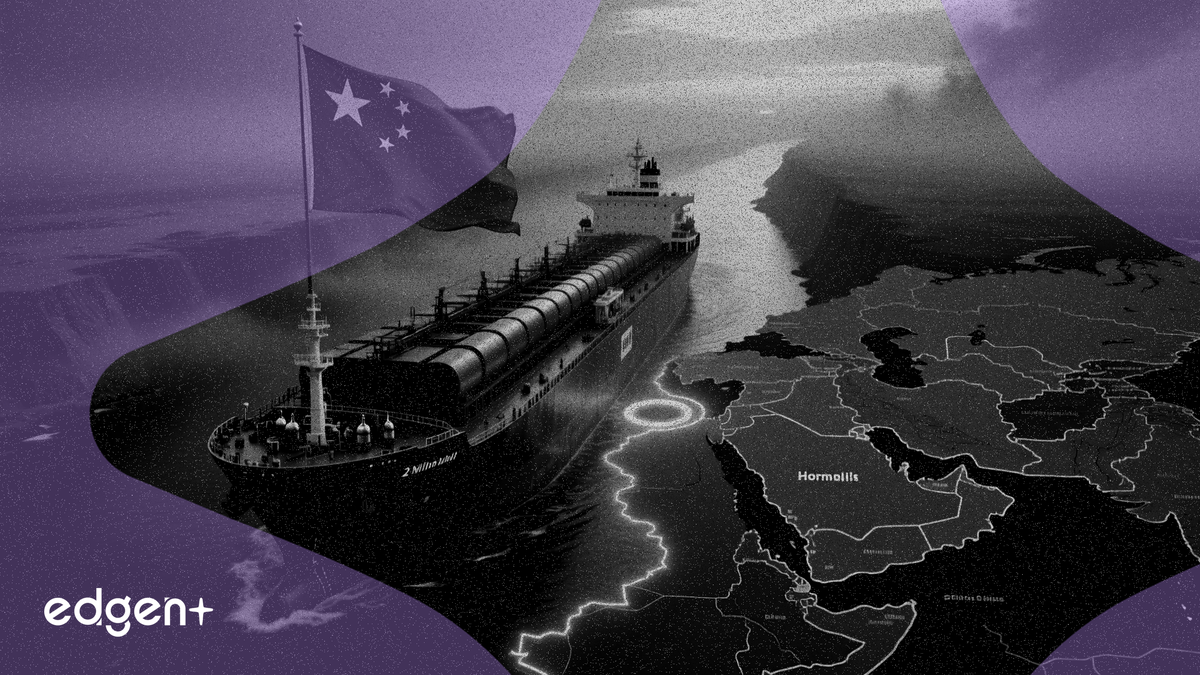
Un superpetrolero chino está intentando un pasaje poco común a través del Estrecho de Ormuz, un desafío de alto riesgo al bloqueo efectivo de la navegación iraní que ha provocado un aumento de los precios del crudo. El buque, identificado como el Yuan Hua Hu, está cargado con aproximadamente 2 millones de barriles de petróleo y es solo el tercer superpetrolero de propiedad china que intenta el tránsito desde que comenzó el conflicto. El movimiento aumenta drásticamente las tensiones geopolíticas antes de una reunión crítica entre el presidente estadounidense Donald Trump y el presidente chino Xi Jinping.
"El petróleo está subiendo porque los operadores están volviendo a añadir una prima de riesgo de suministro después de que el presidente de EE. UU., Donald Trump, rechazara la respuesta de paz de Irán como 'totalmente inaceptable'", dijo Naeem Aslam, director de inversiones de Zaye Capital Markets, en una nota. "El Estrecho de Ormuz sigue siendo el punto de presión clave para los mercados energéticos mundiales, y cualquier amenaza a los flujos de navegación puede aumentar rápidamente los costes de flete, los costes de seguros y el temor a una menor disponibilidad de suministro de crudo".
La reacción del mercado fue inmediata y aguda. El crudo Brent, la referencia internacional, subió más de un 3 por ciento para cotizar en torno a los 104,50 dólares por barril, mientras que el West Texas Intermediate cerró un 3,9 por ciento al alza en 9.376. Los renovados temores sobre el suministro eclipsaron una caída de 2,314 millones de barriles en los inventarios de crudo de EE. UU., que también vieron caer las existencias de gasolina y destilados, según los últimos datos.
Este tránsito subraya el frágil estado del suministro mundial de petróleo y la compleja red diplomática entre EE. UU., China e Irán. Durante años, los refinadores independientes de China han sido la principal salida para el crudo iraní, proporcionando un salvavidas financiero crucial para Teherán. El Yuan Hua Hu, propiedad de una filial de COSCO SHIPPING Energy, fue observado emitiendo su propiedad china, una táctica ampliamente vista como una medida para garantizar el paso seguro a través de la vía navegable en disputa. El buque cargó su cargamento en la terminal iraquí de Basora a principios de marzo.
Riesgos de navegación y estructura del mercado
El viaje está plagado de incertidumbre. El seguimiento de barcos en la región es notoriamente poco fiable debido a las interferencias electrónicas y al "spoofing" intencionado, y varios petroleros han apagado recientemente sus sistemas de seguimiento para evitar posibles ataques, según datos de Kpler. El intento del Yuan Hua Hu sigue a los movimientos erráticos de otros barcos en los últimos días, incluidos cruces fallidos y giros en U abruptos.
Más allá del riesgo inmediato para un solo buque, el evento pone de relieve un cambio estructural en el mercado del petróleo. Los analistas de J.P. Morgan señalaron que el ajuste del mercado a la mayor interrupción del suministro registrada se está desplazando "barril abajo", del crudo a los productos refinados. "De enero a abril, los precios del crudo han subido aproximadamente un 40 por ciento, mientras que los precios de los productos refinados en Asia... han aumentado entre un 60 por ciento y un 120 por ciento", escribió el banco en un informe reciente. Esto sugiere que incluso si los precios del crudo se estabilizan cerca de los 100 dólares, los consumidores se enfrentarán a una crisis en los combustibles utilizables como la gasolina y el diésel, mientras los refinadores luchan con una disponibilidad insuficiente de crudo.
Este artículo tiene únicamente fines informativos y no constituye asesoramiento de inversión.