
Key Takeaways:
- Huatai Securities says domestic AI chips are entering a price increase window
- HBM procurement costs expected to rise more than 50% in the second half
- Supply-demand gap for Chinese AI chips will persist from 2025 through 2027
Key Takeaways:
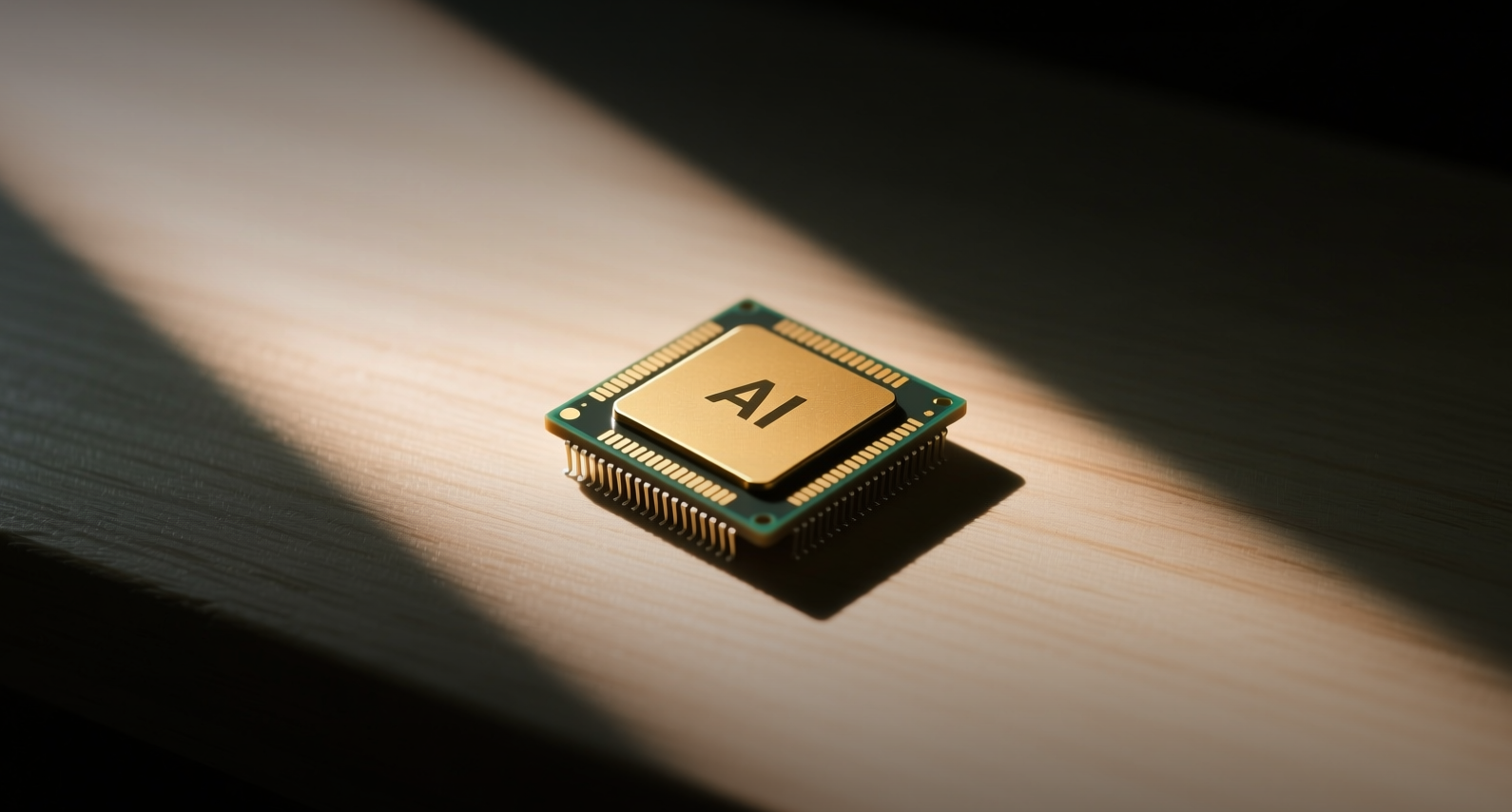
Domestic AI chip suppliers in China are entering a price increase window as upstream memory costs surge and computing power demand outstrips supply through 2027.
Chinese AI chipmakers are entering a price increase window as HBM procurement costs are expected to climb more than 50% in the second half, Huatai Securities said, while a supply-demand gap in domestic computing power persists through 2027.
"In the context of rising upstream costs and supply-demand imbalance, domestic AI chip companies still have the ability to pass through costs, with profit elasticity likely to emerge under scale advantages," Huatai Securities analysts wrote in a research note.
The cost surge spans the entire supply chain — HBM (high-bandwidth memory, the specialized memory stacked alongside AI processors), substrates, packaging and foundry services are all rising. Huatai projects a supply-demand gap for domestic AI chips from 2025 through 2027, driven by rapid growth in multimodal large language models and AI agents that have pushed token call volumes sharply higher. Chinese GPU makers captured nearly 41% of China's AI accelerator server market last year, according to Reuters, eroding Nvidia's once-dominant position.
The pricing shift signals that domestic suppliers including Cambricon, Hygon and Iluvatar CoreX are gaining pricing power as Beijing pushes self-reliance in semiconductors under US export controls. Iluvatar CoreX, which listed in Hong Kong in January, saw its shares jump 12% after Reuters reported ByteDance is in talks to buy at least 50,000 of its chips. Huatai projects Iluvatar's 2026 revenue at 3.04 billion yuan ($449.8 million), with chip shipments rising 139%.
HBM costs drive the cycle
HBM is the most significant cost component in advanced AI accelerators, and the more than 50% expected increase in H2 procurement costs will directly pressure chipmakers' gross margins. The cost increase stems from tight supply of HBM3E memory from SK Hynix and Samsung, which are prioritizing shipments to Nvidia and other Western customers under long-term contracts. Chinese chipmakers, lacking guaranteed allocation, face spot-market pricing that amplifies the cost shock.
Supply-demand math favors suppliers
Huatai's supply-demand analysis shows domestic AI chips will remain in deficit through 2027, giving suppliers unusual pricing leverage. On the demand side, ByteDance's Doubao chatbot and similar consumer AI products from Tencent, Baidu and Alibaba are driving inference workloads that require large clusters of mid-range chips rather than a handful of premium processors. On the supply side, domestic production capacity at SMIC and other Chinese foundries remains constrained by US export restrictions on advanced lithography equipment.
Who wins, who loses
The price increase window benefits domestic chip suppliers directly. Cambricon, which supplies Huawei's Ascend ecosystem, and Hygon, which partners with AMD on x86-compatible server chips, are positioned to capture margin expansion. Iluvatar CoreX, transitioning from government procurement to commercial internet-scale deployment with ByteDance, represents the purest play on the domestic inference chip theme.
For cloud and internet companies, the cost increase is manageable but real. ByteDance, Tencent and Alibaba have been diversifying away from Nvidia since US export controls tightened in 2023. Higher domestic chip prices still compare favorably to the cost of sourcing Nvidia's restricted H100 through gray channels, which commands significant premiums.
Cambricon trades at elevated multiples reflecting the domestic substitution narrative, while Iluvatar CoreX's post-IPO valuation of roughly 10x projected 2026 revenue prices in aggressive growth. Huatai's report identifies new product launches and price hike implementations as near-term catalysts. Nvidia CEO Jensen Huang has said the company's China market share has effectively fallen to zero, leaving a vacuum that domestic suppliers are now racing to fill.
This article is for informational purposes only and does not constitute investment advice.
