

Trung Quốc đã phát đi tín hiệu về một nỗ lực mới nhằm ổn định quan hệ thương mại với Hoa Kỳ, công bố kế hoạch mua 200 máy bay phản lực Boeing và tìm cách gia hạn lệnh đình chiến thuế quan hiện tại.
Trung Quốc đã phát đi tín hiệu về một nỗ lực mới nhằm ổn định quan hệ thương mại với Hoa Kỳ, công bố kế hoạch mua 200 máy bay phản lực Boeing và tìm cách gia hạn lệnh đình chiến thuế quan hiện tại.
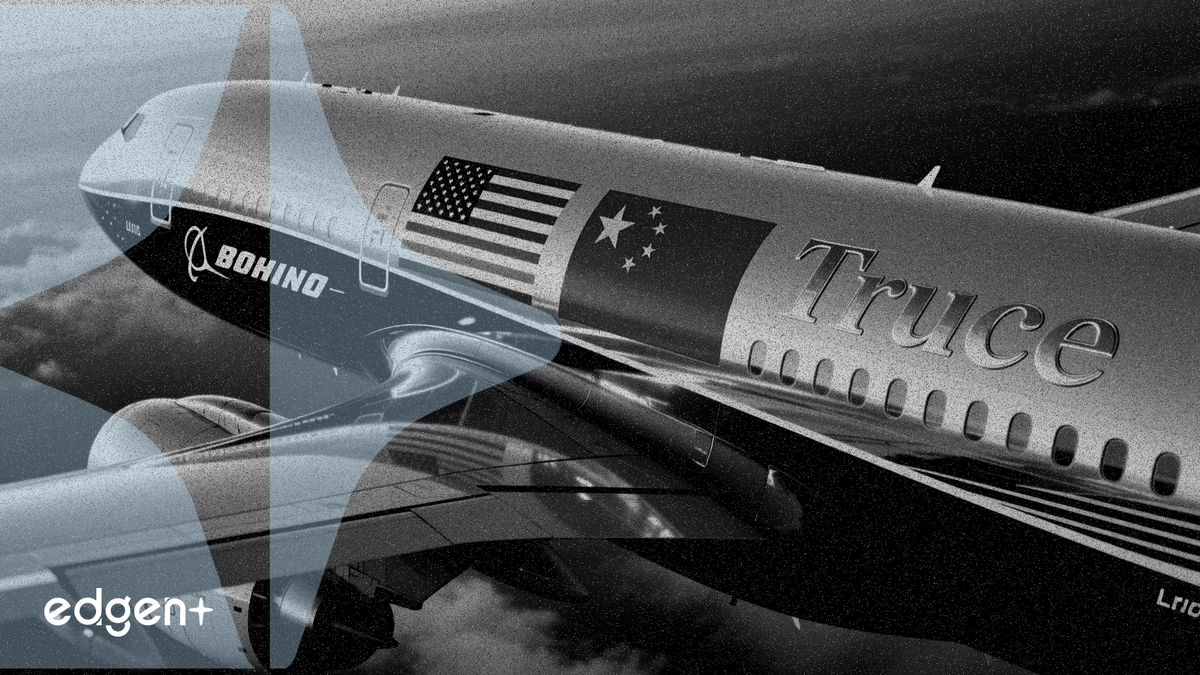
Trung Quốc sẽ mua 200 máy bay phản lực Boeing và tìm cách gia hạn thỏa thuận thương mại đã đạt được với Hoa Kỳ tại Kuala Lumpur năm ngoái, Bộ Thương mại Trung Quốc cho biết hôm thứ Tư, một bước đi quan trọng nhằm ngăn chặn sự leo thang mới trong căng thẳng thương mại.
"Bên cạnh việc mua máy bay, Bắc Kinh cho biết Hoa Kỳ sẽ cung cấp các đảm bảo cung ứng cho các bộ phận động cơ máy bay và các thành phần quan trọng khác theo thỏa thuận," một phát ngôn viên của bộ cho biết, nhấn mạnh sự phụ thuộc lẫn nhau sâu sắc của chuỗi cung ứng hàng không vũ trụ Mỹ-Trung.
Thỏa thuận cũng bao gồm cam kết Trung Quốc sẽ mua ít nhất 17 tỷ USD nông sản Hoa Kỳ hàng năm cho đến năm 2028, bao gồm các mặt hàng từ đậu nành đến thịt bò và sữa. Hơn nữa, cả hai bên sẽ theo đuổi việc cắt giảm thuế quan lẫn nhau đối với lượng hàng hóa trị giá 30 tỷ USD trở lên của mỗi bên, trong đó Bắc Kinh khẳng định rằng thuế quan của Hoa Kỳ không được vượt quá mức quy định theo thỏa thuận Kuala Lumpur.
Thỏa thuận này cung cấp một cứu cánh rất cần thiết cho nông dân và nhà sản xuất Hoa Kỳ, những người đã phải đối mặt với nhiều năm không chắc chắn từ cuộc xung đột thương mại kéo dài. Xuất khẩu nông sản của Hoa Kỳ sang Trung Quốc đã giảm từ mức đỉnh 41 tỷ USD vào năm 2022 xuống còn khoảng 27 tỷ USD vào năm 2024, khi các nhà cung cấp Brazil và Argentina giành được thị phần, theo Liên đoàn Cục Nông trại Hoa Kỳ. Thỏa thuận mới có thể giúp đảo ngược xu hướng này, với những nông dân trồng đậu nành đặc biệt khao khát "muốn lấy lại thị trường của họ", như Dân biểu Hoa Kỳ Derrick Van Orden của bang Wisconsin đã lưu ý trong một phiên điều trần gần đây.
Cam kết mua 200 máy bay đánh dấu đơn đặt hàng lớn đầu tiên của Trung Quốc đối với Boeing trong gần một thập kỷ, một diễn biến đã được nhà sản xuất máy bay xác nhận là một "cam kết ban đầu". Tổng thống Donald Trump gợi ý rằng đơn đặt hàng cuối cùng có thể mở rộng lên tới 750 máy bay, mặc dù con số này không được Boeing xác nhận hoặc được đề cập trong các tuyên bố chính thức của Bắc Kinh. Thỏa thuận này mang lại động lực quan trọng cho Boeing, hãng có doanh số bán hàng sang Trung Quốc đã bị cản trở bởi nhiều năm ma sát thương mại và căng thẳng địa chính trị.
Ngoài các vụ mua sắm chính, thỏa thuận này báo hiệu mong muốn chung của hai bên là giảm leo thang và tìm kiếm điểm ổn định. Hai bên cũng nhất trí về sự hợp tác mới trong các khoáng sản đất hiếm, bao gồm yttrium và scandium, những loại khoáng sản quan trọng đối với sản xuất tiên tiến. Việc thành lập hai cơ quan cấp chính phủ để quản lý thương mại và đầu tư cho thấy một bước chuyển hướng tới các quan hệ thương mại có cấu trúc và dễ dự đoán hơn. Tuy nhiên, những bất ổn rộng lớn hơn vẫn còn đó, với các cuộc điều tra thương mại Mục 301 đang diễn ra của Hoa Kỳ và khả năng các mức thuế mới vẫn đang rình rập.
Bài viết này chỉ dành cho mục đích thông tin và không cấu thành lời khuyên đầu tư.
