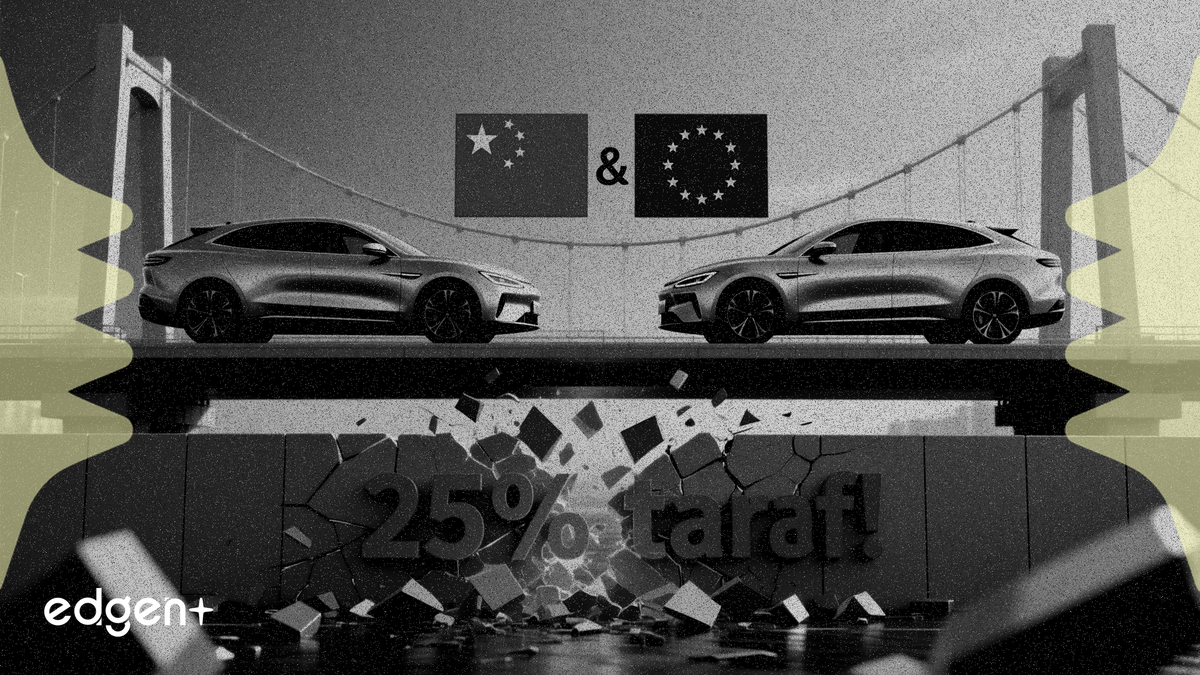
(P1) China and the European Union have reached a "soft landing" to avert a significant tariff escalation on Chinese-made electric vehicles, Chinese Commerce Minister Wang Wentao said Tuesday. The deal cools trade tensions that threatened to impose duties of up to 25 percent on EV imports and follows months of negotiations.
(P2) "China and the European Union had reached a soft landing over the bloc's import tariffs on electric vehicles," Wang said during a meeting with Hildegard Muller, president of the German Association of the Automotive Industry (VDA), according to a ministry readout. Wang expressed hope the VDA would urge the EU to "respect free competition and abide by World Trade Organization rules."
(P3) The agreement prevents the immediate application of broad tariffs on a rapidly growing import category. The EU had previously signaled a tougher stance, though it approved a request by Volkswagen's Cupra brand in February 2026 to exempt its China-made Tavascan SUV from tariffs in exchange for a minimum price and quota. The deal comes as Chinese brands make significant inroads, with Xiaomi's SU7 sedan alone outselling the Tesla Model 3 in China in 2025, 258,164 units to 200,361.
(P4) The deal is critical for both sides, providing certainty for German automakers heavily reliant on the Chinese market and securing a vital export destination for Chinese EV champions. For companies like Xiaomi, which plans a 2027 European launch, and battery giant CATL, which holds a 38.1% global market share, the agreement removes a multi-billion dollar barrier to entry, intensifying pressure on European incumbents to accelerate their own EV transitions.
The Specter of a 25% Tariff
The now-averted tariffs represented a major threat to the business models of China's EV exporters. A 25 percent levy would have added thousands of dollars to the price of vehicles, potentially erasing the competitive price advantage many Chinese brands currently enjoy. For example, the new Xiaomi SU7 Standard, which starts at 219,900 yuan (about $31,000), undercuts the Tesla Model 3 in China by over 15,000 yuan. A steep tariff would have eliminated that gap in the European market.
The negotiations were closely watched by Germany's auto industry, which has deep manufacturing and sales ties to China. The VDA, representing giants like Volkswagen, BMW, and Mercedes-Benz, has been a vocal proponent of dialogue over tariffs, fearing retaliatory measures from Beijing that could harm their sales in the world's largest auto market.
China's Accelerating EV Advantage
The EU's protectionist impulse stemmed from the sheer speed and competitiveness of China's EV industry. The next-generation Xiaomi SU7, launched just over a year after the original, exemplifies this trend. The entire lineup now features 800V charging architecture, with the base model charging from 10-80% in just 20 minutes. Furthermore, every SU7 now includes LiDAR and advanced NVIDIA computing hardware as standard, features often reserved for high-end models from Western manufacturers.
This technological leap is underpinned by a dominant supply chain, led by firms like Contemporary Amperex Technology Co. (CATL). The battery maker, which supplies Tesla, BMW, and Xiaomi, recently raised $5 billion in a Hong Kong share sale to fund global expansion. Its 38.1% share of the global EV battery market in 2025, according to SNE Research, gives Chinese automakers a critical advantage in cost and innovation, a reality the EU now appears ready to accommodate rather than block.
This article is for informational purposes only and does not constitute investment advice.