
The indictment of a former top airline executive puts a spotlight on the persistent governance challenges within China's vast state-owned enterprise sector.
The indictment of a former top airline executive puts a spotlight on the persistent governance challenges within China's vast state-owned enterprise sector.
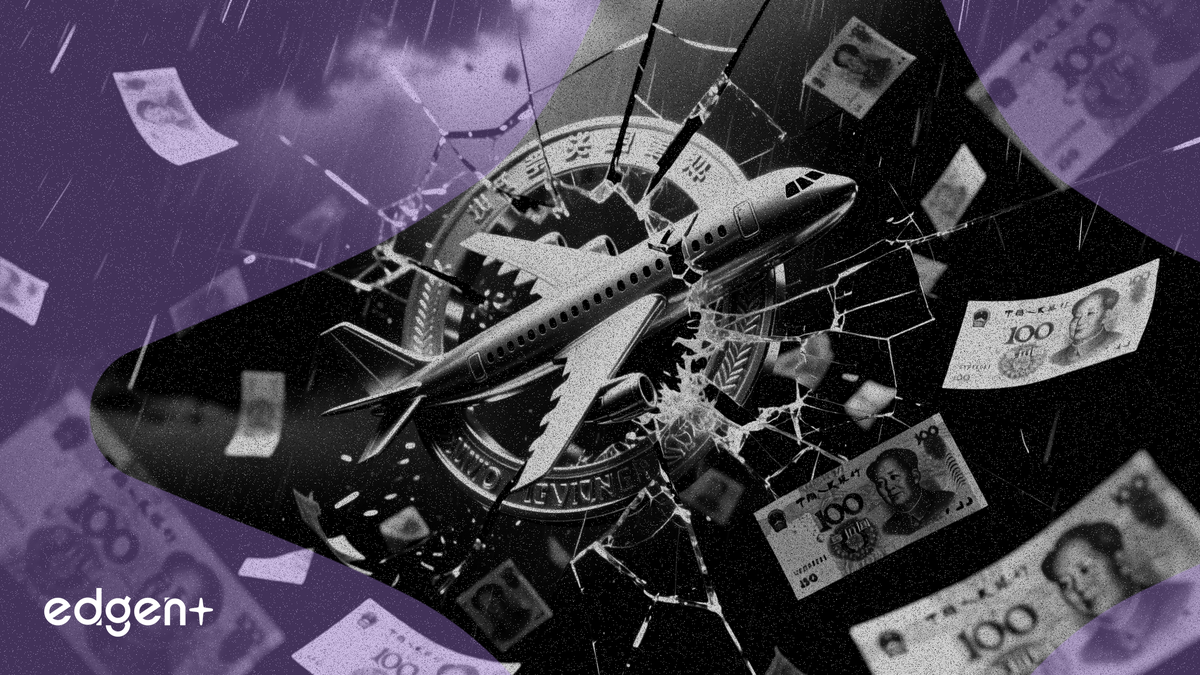
Chinese prosecutors have initiated a public prosecution against Liu Shaoyong, the former chairman of China Eastern Airlines Group Co., one of the nation's three largest state-owned carriers, on charges of accepting an "exceedingly large amount" in bribes. The move, announced Friday by the Supreme People's Procuratorate, marks the latest development in a sweeping anti-corruption campaign that continues to target high-ranking officials across China's sprawling state-controlled economy.
The indictment accuses Liu of abusing his authority across multiple senior roles, including his long tenure as chairman of China Eastern, to secure benefits for others in exchange for money and valuables, according to a statement released through the official Xinhua News Agency. The case has been transferred to a court in Qingzhou, Shandong province, for trial.
Liu's fall from grace was formalized earlier this year when he was expelled from the Communist Party of China in January. His prosecution underscores the intensity of President Xi Jinping's signature anti-graft drive, which has ensnared numerous officials in the financial, energy, and transport sectors. China Eastern, along with Air China and China Southern Airlines, forms the backbone of the country's civil aviation industry, making its leadership a critical component of the state apparatus.
For investors, the case is a stark reminder of the inherent political and governance risks associated with China's state-owned enterprises (SOEs). While the anti-corruption campaign is officially aimed at rooting out misconduct, it also serves to enforce party discipline and central control. The persistent threat of high-level probes complicates valuations and raises questions about management stability and the true independence of corporate decision-making, potentially weighing on the CSI 300 Index's state-owned constituents.
The prosecution of a figure like Liu Shaoyong is not an isolated event but part of a broader pattern of tightening state control that has characterized the Chinese economy in recent years. The government's push to assert party authority extends across both the private technology sector and the foundational SOEs that dominate strategic industries. This dual focus aims to ensure that all major economic actors operate in alignment with national policy objectives, from technological self-sufficiency to financial stability.
The charges against Liu stem from a system where the lines between commercial enterprise and state function are deliberately blurred. As leaders of these massive conglomerates, SOE executives wield significant economic power, controlling vast assets and resources. This concentration of power creates fertile ground for corruption, but it also makes these positions targets for disciplinary oversight aimed at preventing the emergence of alternative power centers. The ongoing campaign serves as a powerful tool for the central leadership to enforce loyalty and ensure that the economic leverage of SOEs serves the party's strategic goals without exception.
This environment presents a complex challenge for international investors. The scale and market position of companies like China Eastern are undeniable, but the opacity of their governance structures and their subordination to political imperatives introduce a level of risk not captured by standard financial metrics. The indictment of another top executive serves as a clear signal that political considerations remain paramount, a factor that will continue to influence risk premiums for Chinese state-backed assets.
This article is for informational purposes only and does not constitute investment advice.

