
Canada will impose equal-value retaliatory tariffs on US goods starting Sept. 8, escalating a trade conflict that collapsed a bilateral deal.
Canada will impose equal-value retaliatory tariffs on US goods starting Sept. 8, escalating a trade conflict that collapsed a bilateral deal.
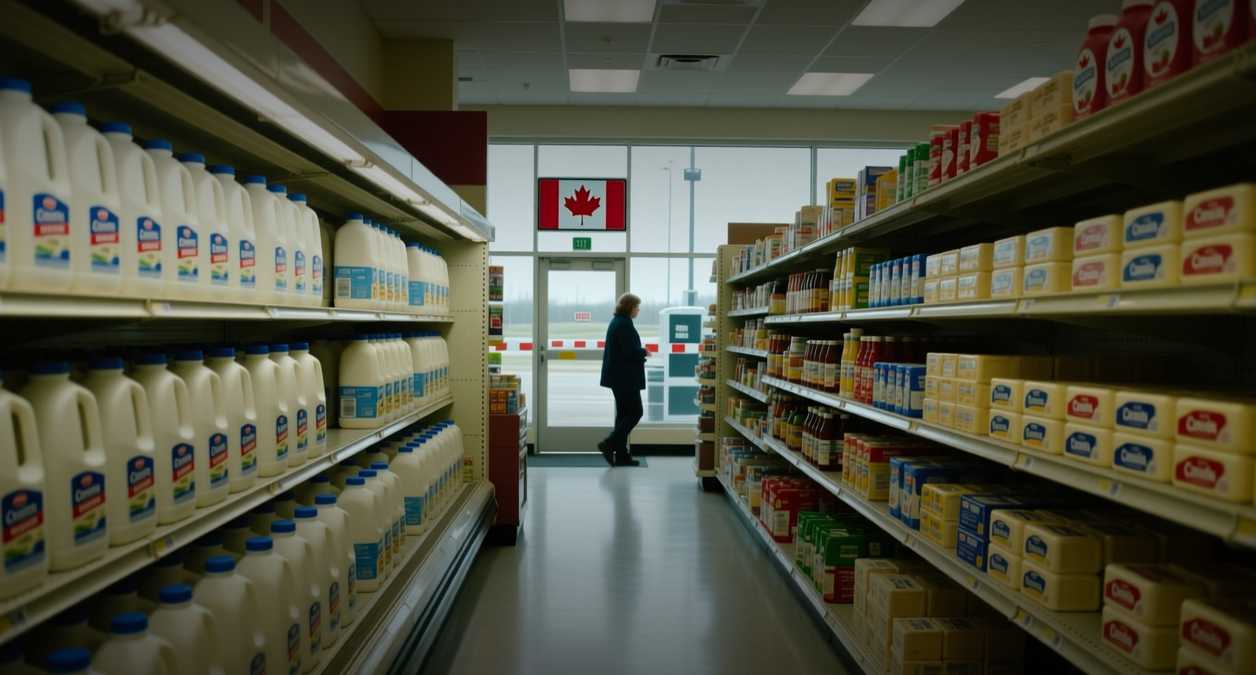
Canada will impose 50 percent retaliatory tariffs on US goods beginning Sept. 8, Prime Minister Mark Carney said Saturday, escalating a trade conflict after Washington imposed matching duties on $20 billion of Canadian exports.
"We take this step reluctantly, reluctantly because we recognize that some of these measures will raise costs and reduce choice for Canadians," Carney said in a national televised address, adding that rejecting a bad deal was in the "best interest of Canada."
The counter-tariffs cover dairy, steel, home appliances, pulp and paper, and electronics. The escalation follows the collapse of trade talks Aug. 21, with each government blaming the other for new demands that upended negotiations.
The reciprocal duties threaten to raise consumer prices and disrupt supply chains across North America, hitting trade-sensitive sectors in both economies as the two largest trading partners brace for a prolonged standoff.
Carney said the United States, in the hours before the deal collapsed, attempted to "restrict our ability to have other trade deals," calling the proposed language "unacceptable." US Trade Representative Jamieson Greer accused Canada on Aug. 21 of making "new demands and walk-backs of other commitments" before the talks broke down.
The 50 percent tariff level marks a sharp escalation in the dispute. The duties on $20 billion of Canadian goods — the largest single US tariff action against Canada in the current conflict — will hit dairy and steel producers, appliance makers, and the pulp-and-paper sector, which together employ hundreds of thousands of workers on both sides of the border.
H2: 50% duties hit dairy, steel, and appliances
The Canadian response targets goods where US producers hold significant market share, raising the prospect of higher prices for American households. A 50 percent tariff on Canadian dairy would add directly to grocery costs, while duties on steel and home appliances would ripple through construction and manufacturing supply chains. The pulp-and-paper and electronics categories extend the impact to packaging, printing, and consumer technology.
The escalation is likely to weigh on trade-sensitive equities and currencies on both sides of the border, with manufacturers facing higher input costs and consumers absorbing price increases in sectors from groceries to appliances. The 50 percent rate on $20 billion of goods represents the steepest single tariff action in the current dispute, and the reciprocal response means both economies absorb the cost simultaneously.
H2: Two-week window before duties take hold
The forward path remains uncertain. Carney said Canada remains confident the approach serves its interests, while Greer's office has signaled Washington sees Canada's demands as the obstacle. With the Sept. 8 effective date now set, businesses in both countries face a two-week window to adjust supply chains before the duties take hold.
If the tariffs take effect as scheduled, the combined $40 billion in reciprocal duties would mark one of the largest trade actions between the two countries in decades, raising the stakes for a resumption of talks. If a deal emerges before Sept. 8, both governments would need to unwind the measures quickly to avoid the cost increases Carney acknowledged in his address.
This article is for informational purposes only and does not constitute investment advice.
