
Gov. Gavin Newsom has until Sept. 30 to sign four California home insurance bills mandating 50 percent extended replacement cost coverage and interest on delayed claims.
Gov. Gavin Newsom has until Sept. 30 to sign four California home insurance bills mandating 50 percent extended replacement cost coverage and interest on delayed claims.
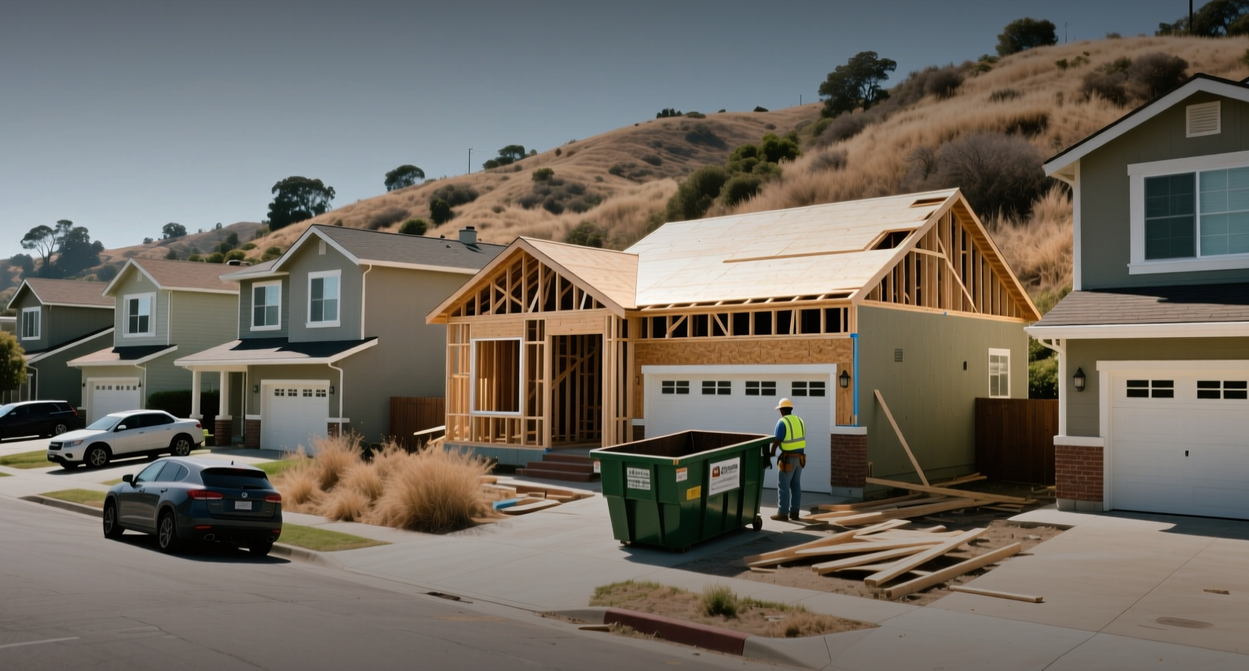
California's home insurance market faces its biggest consumer protection overhaul since the Los Angeles County wildfires, as four reform bills requiring 50 percent extended replacement cost coverage await Gov. Gavin Newsom's signature.
"Consumers play by the rules, and insurance companies should too," Ricardo Lara, California Insurance Commissioner who sponsored several of the bills, said in a statement.
The package includes SB876, which would mandate insurers offer at least 50 percent extended replacement cost coverage for both home structure and additional living expenses, and require all carriers — including the California FAIR Plan — to provide policyholders with replacement cost estimates. SB878 would force insurers to pay the actual cash value of a destroyed home within 30 days or begin accruing interest penalties. SB877 codifies a 15-day response window for insurers to provide all preliminary and final claims documents upon request. SB1301 extends non-renewal notice from 75 to 90 days, and to 120 days with a 90-day remedy period when a homeowner can address the reason for non-renewal.
Newsom has until Sept. 30 to sign or veto the legislation. The bills arrive as State Farm General Insurance Co., the state's largest home insurer, faces a potential record fine after regulators alleged nearly 400 violations of state law in its response to the LA County wildfires. Separate utility liability reform bills that would have clarified cost-sharing between insurers and electric utilities when utility equipment sparks wildfires died on the final day of the session.
The underinsurance gap
The extended replacement cost mandate addresses a problem that devastated many LA County wildfire survivors. A San Francisco Chronicle investigation published last year documented how underinsurance — policies that don't cover the full cost of rebuilding — prevented many homeowners from recovering. Reconstruction costs surged as homeowners competed for scarce contractors while inflation and tariffs on materials like lumber pushed prices higher.
Amy Bach, executive director of the consumer advocacy group United Policyholders, said the minimum 50 percent extended replacement cost is something consumer advocates and the California Department of Insurance have spent years lobbying for. "Unfortunately, the risk is higher going forward than the world we live in now, so we want to be sure that people who are paying premiums are covered," Padilla told the Chronicle. "That's what this is really about, is helping people rebuild."
Enforcement and claims transparency
SB876 would also double penalties the Department of Insurance can levy against insurers that violate state law during a declared emergency. The provision follows a department report this summer alleging State Farm violated state law nearly 400 times in its response to the LA County wildfires. State Farm said it has paid back policyholders who faced issues, attributing problems to claim-specific rather than widespread practices. Regulators say the final fine could be the largest in state history.
SB878 targets slow claims payments, requiring insurers to pay the depreciated value of a destroyed home within 30 days with limited exceptions, after which interest begins accruing on the claim. SB877 addresses a transparency gap documented by the Chronicle: some insurers and claims adjusters avoided giving homeowners the exact estimates used to determine claim values, even after department memos mandated disclosure. The bill codifies the requirement that insurers provide all preliminary and final documents used to determine coverage and claim value within 15 days of a policyholder request.
The non-renewal extension in SB1301 responds to consumer advocates' complaints that the current 75-day notice window leaves too little time for homeowners to complete work — such as upgrading outdated electrical systems or installing a new roof — that could prevent coverage loss.
The bills represent the strongest legislative response yet to California's home insurance crisis, where major carriers including State Farm have restricted new policies in wildfire-prone areas. If signed, homeowners gain clearer replacement cost estimates, faster claims payouts with interest penalties for delays, and more time to address issues before losing coverage. The fate of the package now rests with Newsom, who has not publicly indicated his position on the individual bills.
This article is for informational purposes only and does not constitute investment advice.
