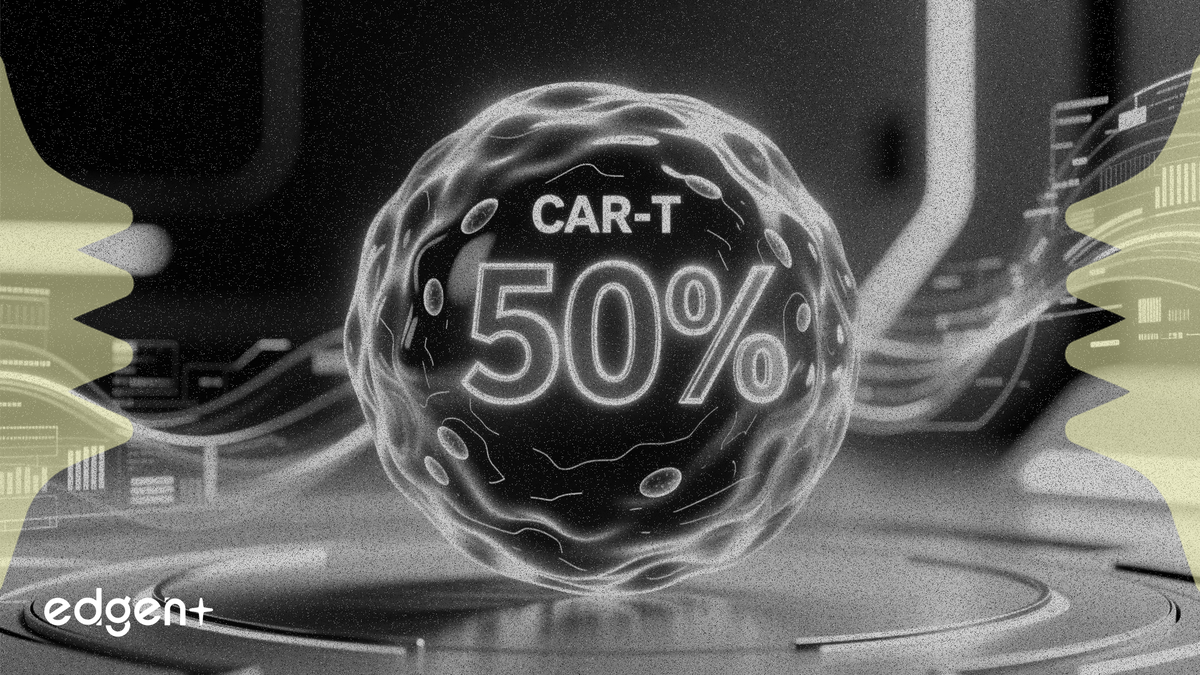
Cabaletta Bio Inc. (Nasdaq: CABA), otoimmün hastalık pemfigus vulgaris üzerine yapılan bir çalışmada, ön hazırlık kemoterapisi olmadan uygulanan en düşük doz rese-cel infüzyonunun, hastaların %50'sinde 6 aylık kalıcı bir yanıt oluşturduğunu bildirdi.
Cabaletta Tıbbi Direktörü David J. Chang yaptığı açıklamada, "En düşük ön hazırlıksız dozda... hastaların %50'sinin 6 aylık takip süresince ikna edici ve ilaçsız yanıtlar göstermesi cesaret verici. Ön hazırlık gerektirmeyen rese-cel, mevcut CAR T merkezlerindeki hastalar için ayakta tedavi bazında ve toplum temelli infüzyon merkezlerinde erişimi önemli ölçüde genişletme potansiyeline sahip" dedi.
Amerikan Gen ve Hücre Terapisi Derneği'nin (ASGCT) 2026 Yıllık Toplantısı'nda sunulan veriler, dirençli dört hastadan ikisinin 6 aylık ilaçsız yanıta ulaştığını gösterdi. Tam periferik B hücresi tükenmesi gösteren üç hasta en güçlü klinik iyileşmeyi sergilerken, terapi genel olarak iyi tolere edilen bir güvenlik profili gösterdi. Rese-cel, birçok otoimmün hastalığın temel itici gücü olan CD19 pozitif B hücrelerini hedeflemek üzere tasarlanmış bir otolog CAR T-hücre terapisidir.
Kanserle ilgili CAR-T tedavileri için standart olan ön hazırlık kemoterapisinden vazgeçilmesi, riskleri ve maliyetleri düşürebileceği ve terapinin ayakta tedavi ve toplum ortamlarında potansiyel kullanımını genişletebileceği için sonuçlar önemlidir. Cabaletta, bu çeyreğin ilerleyen dönemlerinde lupus hastalarında benzer bir ön hazırlıksız çalışmadan elde edilen ilk verileri ve 2026'nın ikinci yarısında daha yüksek dozlu bir kohorttan elde edilen verileri rapor etmeyi bekliyor.
Finansallar ve Üretim
Şirket ayrıca 2026 yılı ilk çeyrek finansal sonuçlarını açıklayarak, 2025'in aynı dönemindeki 35,9 milyon dolarlık (hisse başına 0,71 dolar) net zarara kıyasla 43,5 milyon dolar (hisse başına 0,39 dolar) net zarar bildirdi. Araştırma ve geliştirme giderleri yıllık bazda 29,0 milyon dolardan 37,4 milyon dolara yükseldi.
Cabaletta çeyreği, 2027 ortasına kadar operasyonları finanse etmek için yeterli olduğunu belirttiği 116,6 milyon dolar nakit, nakit benzerleri ve kısa vadeli yatırımlarla kapattı.
Klinik verilerin yanı sıra şirket, otomatik Cellares Cell Shuttle platformunda üretilen rese-cel için ilk sonuçları sundu. İlk iki doz tüm kalite ve sürüm spesifikasyonlarını karşılayarak, şirketin binlerce hasta olduğunu tahmin ettiği potansiyel talebi karşılamak için kritik bir faktör olan daha ölçeklenebilir ve uygun maliyetli üretime giden yolu destekledi.
Bu makale sadece bilgilendirme amaçlıdır ve yatırım tavsiyesi teşkil etmez.