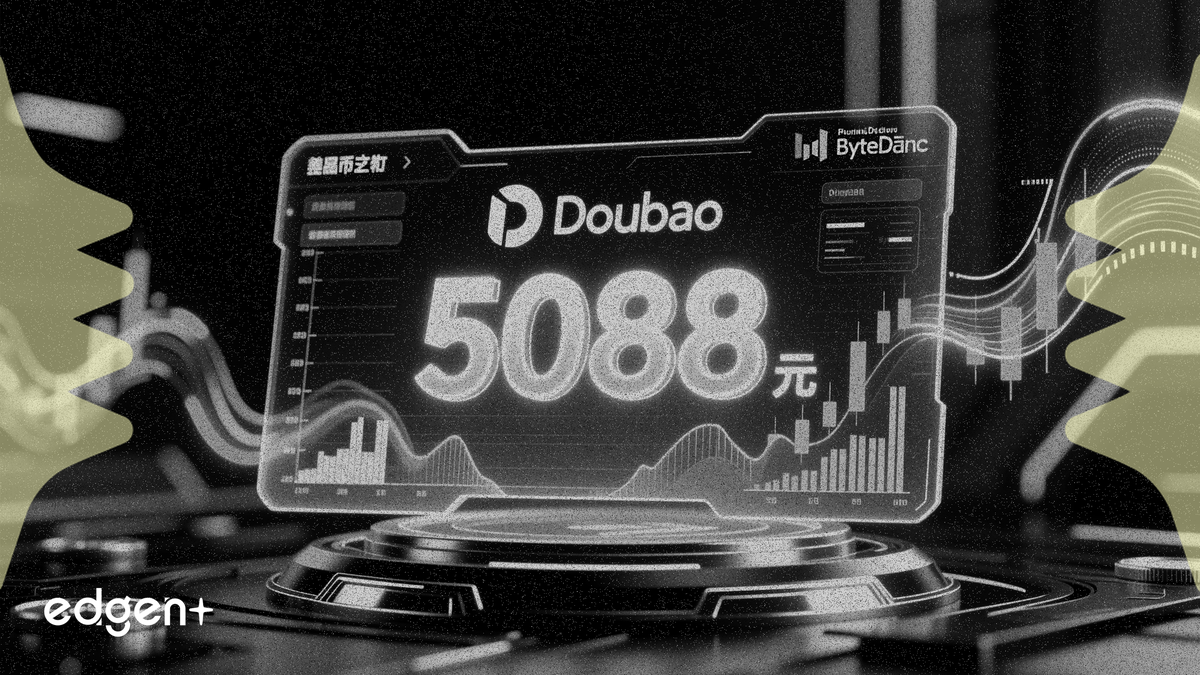
ByteDance đang thử nghiệm mô hình 'freemium' cho chatbot Doubao của mình, giới thiệu các gói đăng ký lên tới 5.088 nhân dân tệ (700 USD) mỗi năm nhằm nỗ lực kiếm tiền từ dịch vụ AI được sử dụng nhiều nhất ở Trung Quốc và bù đắp chi phí cơ sở hạ tầng đang tăng vọt.
"Lượng tiêu thụ token liên quan đến Agent vẫn chỉ chiếm tỷ lệ một con số trong tổng mức sử dụng token, nhưng nó đang tăng lên," Li Guodong, kiến trúc sư trưởng công cụ agent ArkClaw của Volcano Engine thuộc ByteDance, cho biết hôm thứ Ba, nhấn mạnh nhu cầu xây dựng một doanh nghiệp bền vững.
Các mức phí trả phí mới được định giá là 68, 200 và 500 nhân dân tệ mỗi tháng để truy cập các tính năng nâng cao như tạo video. Động thái này diễn ra sau khi lượng sử dụng token hàng ngày của Doubao tăng vọt lên hơn 120 nghìn tỷ vào tháng 3 và mức tăng 25% trong kế hoạch chi tiêu cho cơ sở hạ tầng AI năm 2026 của ByteDance lên 200 tỷ nhân dân tệ (30 tỷ USD).
Chiến lược định giá này kiểm tra mức độ sẵn sàng chi trả của người tiêu dùng Trung Quốc cho AI cao cấp trong một thị trường mà các đối thủ như Qwen của Alibaba và Ernie Bot của Baidu phần lớn là miễn phí. Thành công có thể xác nhận mô hình chi phí cao, tính toán cao cho các gã khổng lồ công nghệ Trung Quốc và định hình lại bối cảnh cạnh tranh.
Chiến lược Bánh đà (Flywheel)
Đằng sau việc thu phí là chiến lược chuyển đổi sự thống trị thị trường thành lợi nhuận. Đơn vị đám mây của ByteDance, Volcano Engine, nắm giữ 49,5% thị phần thị trường model-as-a-service (MaaS) dành cho doanh nghiệp của Trung Quốc tính theo khối lượng cuộc gọi, theo IDC. Phân khúc này đã tăng gấp 16 lần vào năm 2025, xử lý gần 2 triệu tỷ (2 quadrillion) token trên các đám mây công cộng.
Volcano Engine tận dụng quy mô này để tạo ra "hiệu ứng bánh đà", sử dụng khối lượng cuộc gọi cao để biện minh cho khoản đầu tư vào các tối ưu hóa kỹ thuật như tách rời tiền nạp-giải mã (prefill-decode disaggregation) và lưu trữ bộ đệm KV (KV caching). Những công nghệ này làm giảm chi phí cận biên của suy luận, cho phép công ty đưa ra mức giá cạnh tranh nhằm thu hút nhiều người dùng hơn và mở rộng hơn nữa hào bối cạnh tranh của mình. Mục tiêu là biến quy mô token đã tích lũy thành lợi thế bền vững, bao quát mọi thứ từ chi phí thấp hơn đến cơ sở hạ tầng cần thiết để vận hành các AI agent phức tạp.
Áp lực cạnh tranh và phản ứng thị trường
Động thái kiếm tiền không diễn ra trong chân không. Trong khi ByteDance yêu cầu người dùng trả tiền, đối thủ Alibaba đã công bố tích hợp đầy đủ mô hình ngôn ngữ lớn Qwen của riêng mình vào nền tảng thương mại điện tử Taobao, tạo ra trải nghiệm mua sắm AI khép kín mà người dùng không phải trả chi phí trực tiếp. Điều này làm nổi bật sự phân kỳ chiến lược trong một thị trường mà việc chuyển đổi người dùng thành người đăng ký trả phí đã tỏ ra khó khăn.
Phản ứng ban đầu đối với việc định giá của Doubao là trái chiều. Theo The Straits Times, một số người dùng từ chối mức giá vượt quá ChatGPT của OpenAI, với lý do hiệu suất của các mô hình trong nước yếu hơn. "Nếu tôi phải trả tiền cho một công cụ AI như một sự hỗ trợ năng suất, tôi có lẽ thà đăng ký ChatGPT hơn," một người dùng nói với tờ báo, báo hiệu một rào cản lớn đối với việc áp dụng.
Động thái này là một bài kiểm tra quan trọng về việc kiếm tiền từ AI tại Trung Quốc. Trong khi Volcano Engine dẫn đầu về khối lượng cuộc gọi, việc chuyển đổi 345 triệu người dùng hàng tháng của Doubao thành người đăng ký trả phí là một thách thức. Khoản đầu tư 200 tỷ nhân dân tệ, với phần lớn dự kiến sẽ được chuyển đến các nhà cung cấp chip trong nước như Huawei, nhằm mục đích đảm bảo chuỗi cung ứng của mình trước các hạn chế của Hoa Kỳ. Các nhà đầu tư sẽ theo dõi chặt chẽ tỷ lệ áp dụng, vì chúng sẽ báo hiệu khả năng tồn tại của việc phát triển AI chi phí cao cho các đối thủ niêm yết công khai khác như Alibaba (BABA) và Tencent (0700.HK).
Bài viết này chỉ mang tính chất thông tin và không cấu thành lời khuyên đầu tư.