


주요 요점:
- 비트코인은 3.3% 하락한 72,643달러를 기록, 6주 만에 최저치
- 이더는 4% 하락한 1,965달러로 매도세가 주요 토큰 전반으로 확산
- 미-이란 긴장 고조 속 ETF 유출액, 2주 만에 25억 달러 돌파
주요 요점:
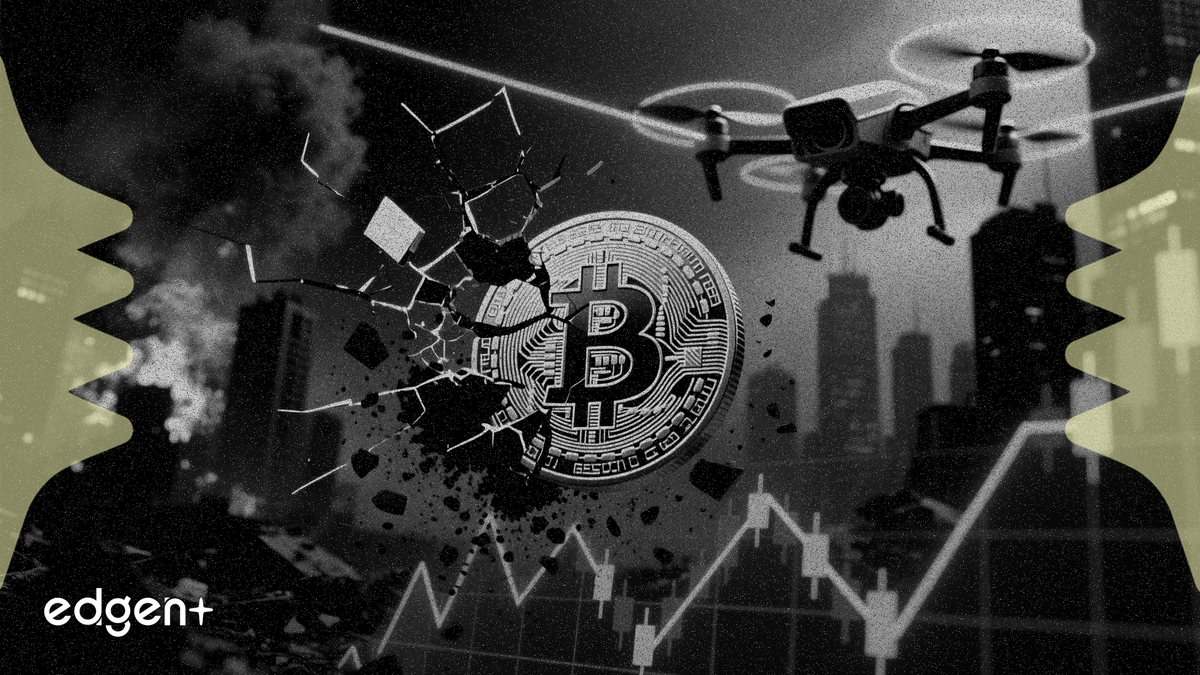
비트코인은 목요일 싱가포르 거래에서 3.3% 하락한 72,643달러를 기록하며 6주 이상 만에 최저치를 나타냈다. 이란이 미군 목표물에 대해 새로운 군사 공격을 감행하면서 디지털 자산 전반에 걸쳐 광범위한 매도세가 촉발되었고, 상장지수펀드(ETF) 유출액은 지난 2주 동안 25억 달러를 넘어섰다.
"이러한 규모의 지정학적 충격은 위험 자산 전반에 걸쳐 급격한 레버리지 청산을 강제하며, 암호화폐도 예외가 아닙니다. 전통적 안전자산으로의 자금 흐름과의 상관관계가 실시간으로 재확인되고 있습니다."라고 디지털 자산 파생상품 유동성 공급업체인 오빗 마켓의 공동 창업자 캐롤라인 마우론은 말했다.
이더는 4% 이상 하락한 1,965달러로 거의 두 달 만에 최저치를 기록했으며, 리플(XRP)은 3% 하락하면서 매도세가 주요 토큰 전반으로 확산됐다. 중앙화 거래소에서의 총 청산 규모는 06:00 UTC 기준 24시간 동안 4억 2,000만 달러를 넘어섰으며, 이 중 롱 포지션이 약 75%를 차지한 것으로 코인글래스 데이터는 집계했다. 비트코인 선물의 미결제약정은 8% 감소한 283억 달러를 기록했고, 바이낸스의 펀딩 비율은 마이너스 -0.005%로 전환되며 레버리지 매수 포지션이 청산되고 있음을 시사했다.
이번 긴장 고조는 올해 초 미-이란 갈등이 격화된 이후 암호화폐 시장이 직면한 첫 번째 주요 지정학적 충격이며, 매도세는 미국 현물 비트코인 ETF의 지속적인 자금 유출로 인해 더욱 악화되었다. 블룸버그 데이터에 따르면 12개 펀드는 5월 중순 이후 합계 25억 달러의 자금이 순유출되며 수개월간 지속된 누적 추세가 반전됐다. 비트코인의 다음 주요 지지선은 4월 이후 테스트되지 않은 70,000달러에 위치해 있으며, 저항선은 현재 76,000달러에 형성되어 있다. 70,000달러 아래로 하락할 경우 200일 이동평균선이 위치한 65,000달러 구간 재시험 가능성이 열릴 수 있다.
거시경제 배경도 압박을 가중시켰다. 달러 인덱스는 투자자들이 안전자산으로 이동하면서 0.3% 상승했고, 금은 온스당 2,380달러로 1.2% 올랐다. 동시다발적인 암호화폐 매도세와 금 랠리는 급격한 지정학적 스트레스 기간 동안 시장이 디지털 자산보다 전통적 안전자산을 현재 선호하고 있음을 보여준다. 외교적 해결 방안이 발표되지 않고 이란이 추가 보복 능력을 시사함에 따라, 트레이더들은 주말까지 높은 변동성을 가격에 반영하고 있으며 비트코인의 30일 내재변동성은 62%까지 상승하여 4월 초 이후 최고치를 기록했다.
본 기사는 정보 제공 목적으로만 작성되었으며 투자 조언을 구성하지 않습니다.
