

Key Takeaways: AI hyperscalers are outbidding Bitcoin miners for grid power, turning mining sites into AI data centers.
Key Takeaways: AI hyperscalers are outbidding Bitcoin miners for grid power, turning mining sites into AI data centers.
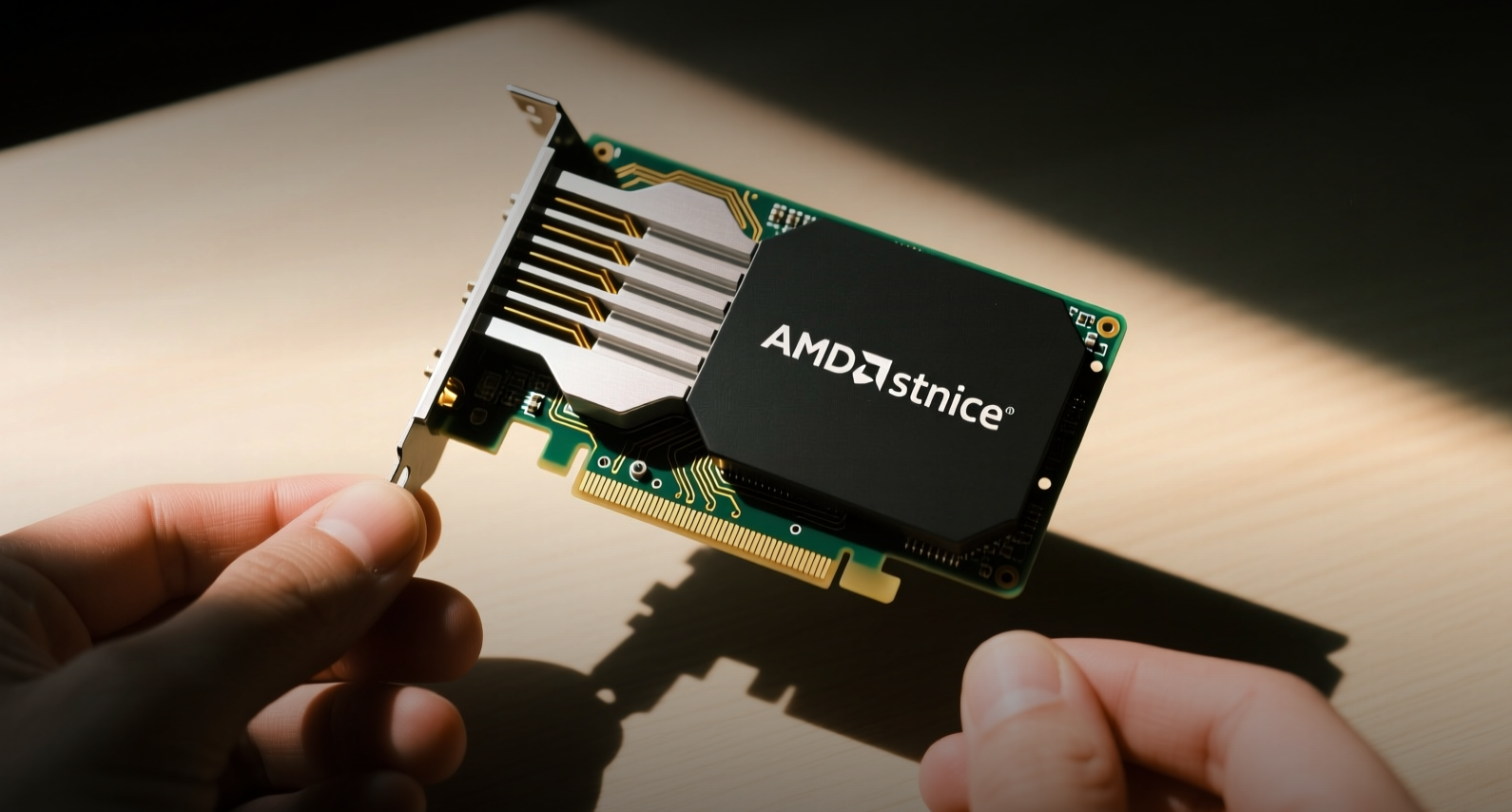
AI hyperscalers are outbidding Bitcoin miners for grid power, turning mining sites into AI data centers.
Riot Platforms signed a $9.1 billion, 20-year data center lease with Anthropic as Bitcoin miners pivot from cryptocurrency mining to AI infrastructure.
"Power is the core constraint; everything else derives from that," Ben Gagnon, chief executive officer at Keel Infrastructure, said in the company's second-quarter earnings release.
Riot will build a 191MW data center at its Rockdale, Texas campus, supplying 96MW by December 2027 and an additional 95MW by June 2028. Two five-year extension options could lift total revenue to $16.1 billion. Keel Infrastructure, formerly Bitfarms, sold 1,085 Bitcoin for $75 million and idled all U.S. mining sites after revenue fell 50 percent year-over-year to $30.4 million, with a net loss of $64 million.
The pivot reflects a structural repricing of mining assets. CoinShares data shows the weighted average cash cost to mine one Bitcoin reached $79,995 in Q4 2025, while Bitcoin traded between $68,000 and $70,000 — a loss of nearly $19,000 per coin. Public miners' combined Bitcoin reserves fell by more than 15,000 coins from their peak, while announced AI and HPC contracts across the listed mining sector exceed $70 billion.
Mining facilities and AI data centers share a common requirement: massive electricity and dedicated land. As states like Texas tighten reviews of new power projects, existing mining sites with large-scale power infrastructure are being revalued as prime AI locations. Riot secured a $573 million loan from Morgan Stanley to fund the conversion, which requires tens of thousands of AI-grade GPUs and liquid cooling systems.
In January, Riot leased its Rockdale campus to AMD as a data center. Combined with the Anthropic deal, Riot has secured 241MW and $9.8 billion in contract revenue within six months.
Keel Infrastructure's exit is the most dramatic example. The company decommissioned all U.S. mining fleets, sold 1,085 Bitcoin for approximately $75 million, and holds roughly $819 million in liquidity. Its stock fell over 11 percent following the announcement.
Other miners are following similar paths. MARA Holdings agreed to acquire a 505MW natural gas power plant in Ohio for $1.5 billion. IREN signed a five-year, $3.4 billion cloud services contract with Nvidia using Blackwell GPUs. Bitdeer reduced its Bitcoin holdings to zero in February. Core Scientific, TeraWulf, Hut 8, and Cipher Digital have each secured multi-billion dollar AI or HPC agreements.
The transition is not without execution risk. Retrofitting mining sites requires significant capital and technical expertise, and the market is watching whether miners can deliver on AI hosting contracts. But for an industry where mining one Bitcoin costs more than the coin's market price, the AI pivot offers a path to stable, predictable revenue — if miners can execute.
This article is for informational purposes only and does not constitute investment advice.
