
Key Takeaways: BioCryst has crossed from cash-burning biotech to profitable rare disease consolidator, and its CEO says it will never raise money to keep the lights on.
Key Takeaways: BioCryst has crossed from cash-burning biotech to profitable rare disease consolidator, and its CEO says it will never raise money to keep the lights on.

BioCryst Pharmaceuticals, now profitable on its hereditary angioedema drug Orladeyo, is pivoting from internal R&D to external acquisitions as mid-size biotechs fill the rare disease deal void left by big pharma's focus on multibillion-dollar assets.
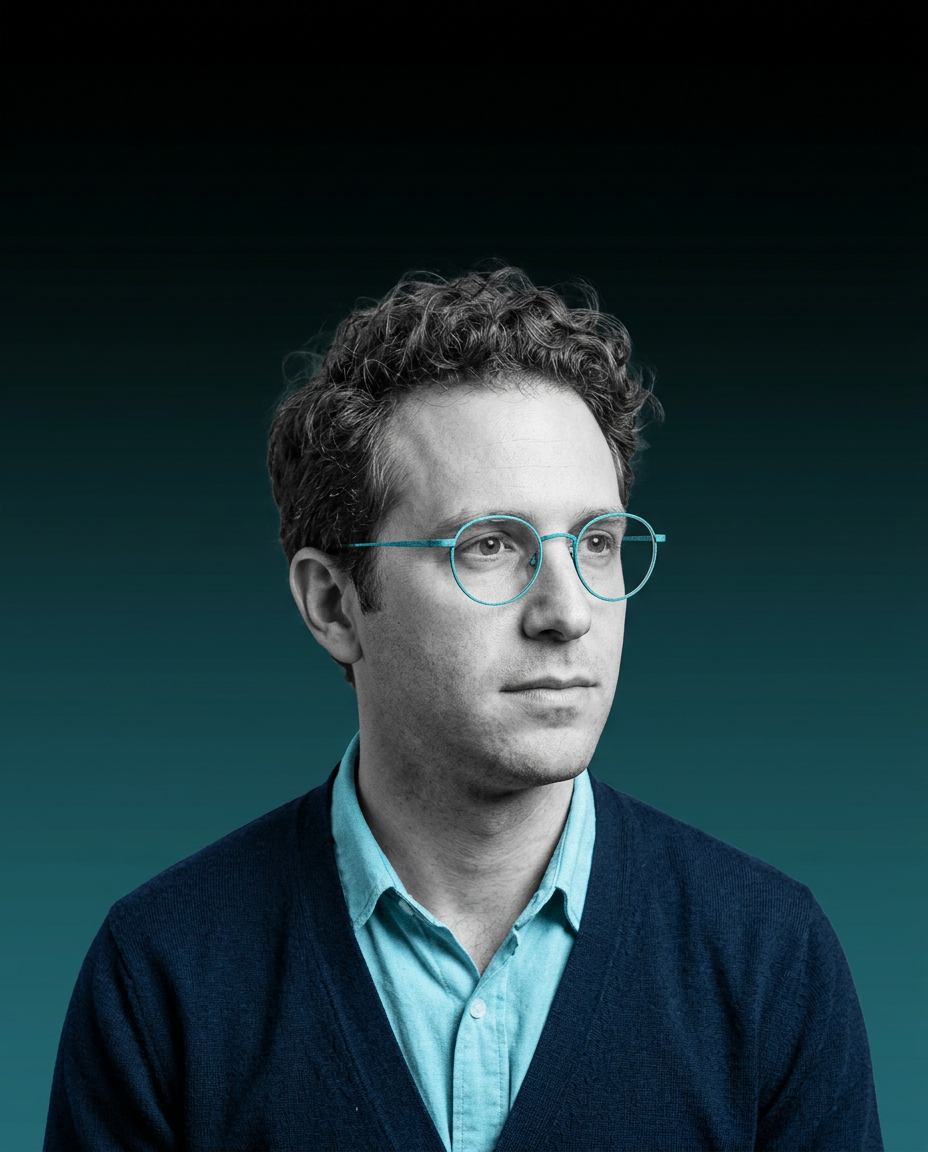
"We're trying to break out of the perception that we're just an HAE company. We're a rare disease company, and we've got the resources to do more," Charlie Gayer, BioCryst's chief executive officer, said.
Orladeyo, approved by the FDA in 2020, has generated more than $2 billion in cumulative sales. BioCryst forecasts up to $645 million in 2026 revenue from the drug, and shares are up about 25 percent since the start of the year. The company's market cap sits below $5 billion.
Gayer said BioCryst is now "therapeutic-area agnostic" in its hunt for early-stage assets, targeting drugs with peak sales potential as low as $300 million — a threshold most large pharmaceutical companies ignore. The shift reflects a broader realignment in rare disease dealmaking, where small and midsize players are stepping in as buyers.
Two Drugs in 40 Years
BioCryst's history illustrates why the strategy change matters. In four decades, the company launched just two products: Orladeyo and Rapivab, a niche influenza treatment. Gayer acknowledged that internal-only development carries too much risk and expense for a company of its size.
"What has BioCryst done in 40 years? Launched Orladeyo, which was super successful. We launched a drug called Rapivab which served a niche. But two things in 40 years," Gayer said. "And so now what we're realizing is doing it all internally ourselves isn't feasible. There's too much risk, too much expense."
The company's financial discipline is central to the new approach. "We were profitable last year, we're going to be more profitable this year, more profitable next year. We will never drop below the line again," Gayer said. "We do not want to be dependent on, 'We have to go out and raise money just to keep the lights on.'"
The Rare Disease Buyer Gap
The strategy aligns with a structural shift in rare disease M&A. Large pharmaceutical companies increasingly target assets with peak sales of $2 billion or more, leaving smaller patient populations underserved. Rod Wong, managing partner and chief investment officer at RTW, said this creates an opening for companies like BioCryst.
"Most of pharma is now too big to acquire most rare disease drugs," Wong said. "We're seeing smaller companies buying assets with smaller peak sales. Hopefully this will encourage more companies of this size to become buyers, because we need a new cohort of natural buyers to replace big pharma."
Venture philanthropy is also stepping into the gap. Rare Ventures, a new accelerator launched this month with up to $25 million from the Richard K. Mellon Foundation, will fund development of treatments for seven rare conditions. The model builds on the EB Research Partnership, which helped bring three FDA-approved treatments for epidermolysis bullosa to market.
Gayer said BioCryst's ambition is to be remembered alongside the great rare disease builders. "I'd love to be thought of someday as like Genzyme was back in the day, or Shire... or even Horizon," he said. "There are different ways to build a rare disease company, and we're trying to take the best ideas and take it forward from here."
For investors, the question is whether BioCryst can execute on its acquisition strategy without diluting the profitability that Orladeyo now provides. With shares up 25 percent year-to-date and a market cap below $5 billion, the market has already begun pricing in the transition. The company's ability to find, acquire, and commercialize assets in the $300 million peak-sales range will determine whether that premium holds.
This article is for informational purposes only and does not constitute investment advice.
