
The Trump administration's 'economic D-Day' against Iran now puts every trading partner on notice — including China.
The Trump administration's 'economic D-Day' against Iran now puts every trading partner on notice — including China.
The Trump administration on Monday unveiled its most sweeping sanctions campaign against Iran, threatening secondary penalties on any country or company that trades with Tehran as the rial tumbled to a record 2.02 million per dollar.
"Around the globe, our objective is to sever every economic lifeline that sustains this tyrannical regime until Tehran stands alone," Treasury Secretary Scott Bessent said at a Washington press conference.
The campaign, dubbed "Operation Economic Outcast," targets five of Iran's most vital lifelines — digital assets, technology, gold, aviation and shipping — and follows the UAE's decision last week to suspend all trade with Tehran. Iran's currency dropped to 2.02 million per dollar as trading opened, while rice prices have climbed 60 percent and beef more than 150 percent since the war began in February.
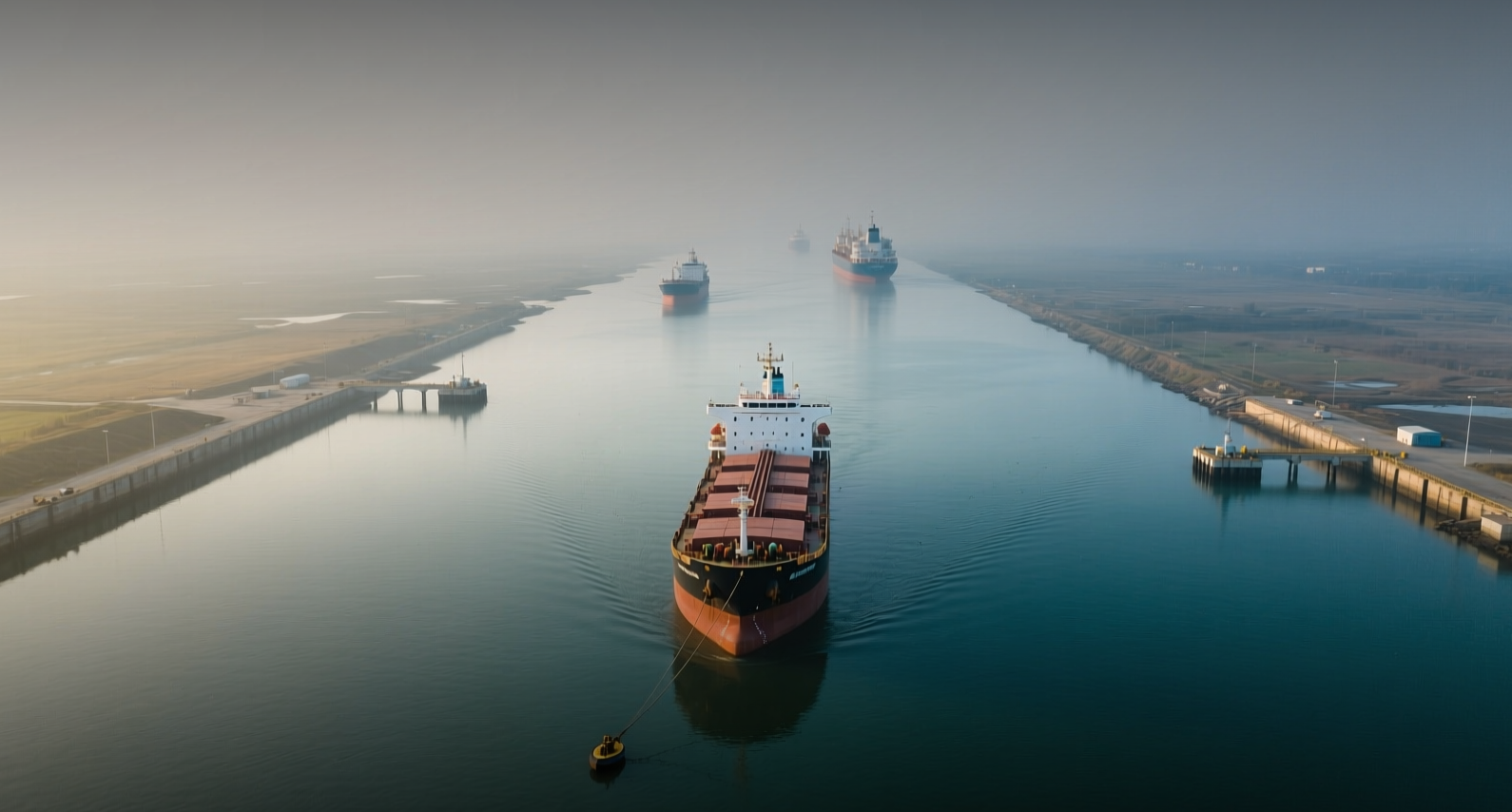
The escalation carries global consequences. Iran's near-shutdown of the Strait of Hormuz, which handles about 21 percent of global oil trade, has already sent oil and gas prices soaring, and Bessent's warning that no country — including China, which bought more than 80 percent of Iranian crude before the war — is exempt threatens to strain U.S. relations with Beijing weeks before Chinese leader Xi Jinping's planned visit.
Bessent said President Donald Trump has been calling world leaders "with specific requests to cease their interaction with the regime," and warned that "no one is above the reach of U.S. sanctions." Asked whether Washington could soften its stance on China to preserve a fragile trade truce, Bessent replied: "If they facilitate transactions and are part of the ecosystem that turns Iranian oil into money, into repression, they will be targeted."
The Treasury secretary said the administration was giving Iran's trading partners "a cure period" to shift away from Tehran before penalties escalate. "Why would I want to blow up the global financial system?" he said. "We believe that it is important to level set and give people a cure period. But they should know that that will move very quickly and that we are serious."
China is the biggest buyer of Iranian oil, importing more than 80 percent of Tehran's crude before the war, and its Foreign Ministry on Monday rejected the sanctions push. "They will only exacerbate tensions and escalate the situation, which is in no one's interest," spokesperson Lin Jian said in Beijing. The U.S. is likely to calibrate its actions carefully, said Wendy Cutler, vice president of the Asia Society Policy Institute, given the need to act big on Iran "without escalating tensions with Beijing."
The last time Washington imposed sweeping secondary sanctions on Iran's oil buyers, in 2018, it granted waivers to eight economies including China, India and Turkey within months. This time, Bessent offered no such carve-outs, saying "an economic engagement of any kind with this murderous regime will expose those responsible to the full reach of American power."
Iranian officials pushed back. Parliament speaker Mohammad Bagher Qalibaf said trading partners were not taking Washington's "statements into account," posting on X that "Americans know that no one buys their bombast." Foreign Ministry spokesperson Esmail Baghaei warned that "any escalation of this situation will undoubtedly bring about consequences... Our hands are not tied."
Yet the economic toll is mounting. The International Monetary Fund forecasts Iran's gross domestic product will contract more than 5 percent this year, and the rial's slide to 2.02 million per dollar marks a fresh low after nearly six months of war. Still, analysts caution that pressure has not translated into political capitulation. "The only thing that the Iranian regime views as more dangerous than suffering from U.S. sanctions is surrendering to U.S. terms," said Ali Vaez, Iran director at the International Crisis Group.
The sanctions push comes as Trump faces an increasingly unpopular war months before midterm elections that will decide control of Congress. With Iran's attacks on Hormuz shipping nearly halting traffic in the waterway, the economic pressure campaign is as much about easing global energy costs as it is about regime change — a bet that isolating Tehran's remaining trade partners will force concessions that six months of military strikes have not.
This article is for informational purposes only and does not constitute investment advice.
