
Treasury Secretary Scott Bessent told lawmakers oil prices have already fallen and the Strait of Hormuz could reopen sooner than President Donald Trump's Labor Day timeline, offering consumers relief from elevated gasoline costs.
Treasury Secretary Scott Bessent told lawmakers oil prices have already fallen and the Strait of Hormuz could reopen sooner than President Donald Trump's Labor Day timeline, offering consumers relief from elevated gasoline costs.
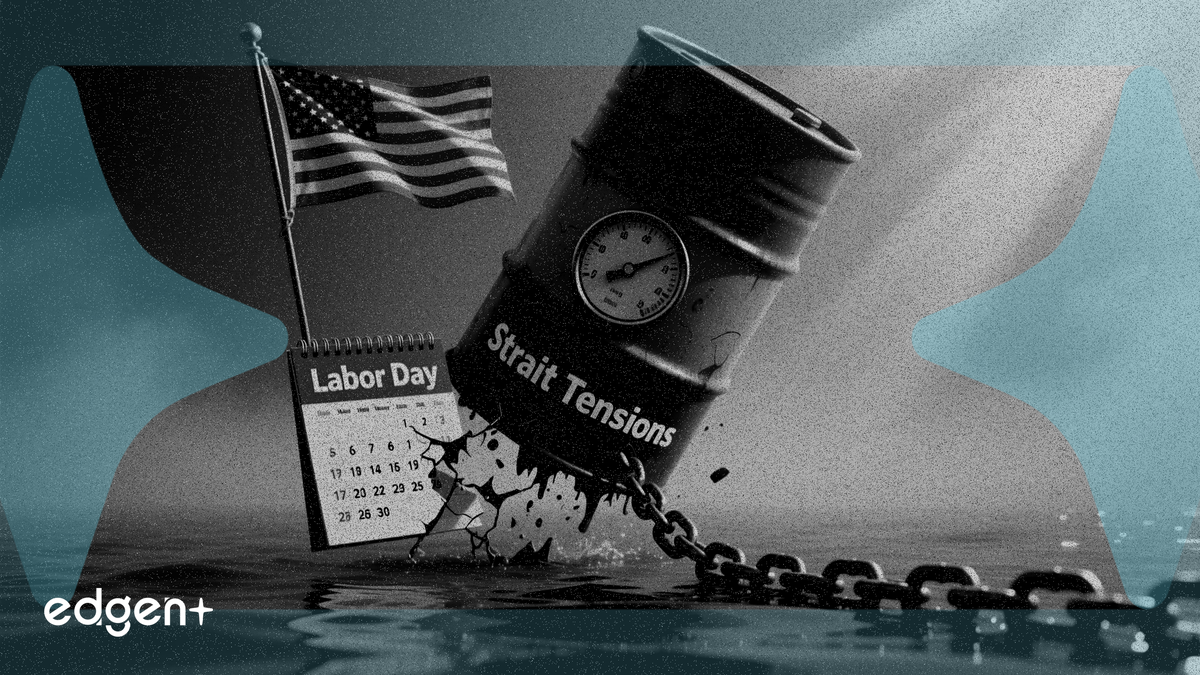
Treasury Secretary Scott Bessent told lawmakers oil prices have fallen and the Strait of Hormuz may reopen before Labor Day, pushing back against President Donald Trump's assertion the waterway would remain closed through September.
"I have not seen the president make such a remark, and all indicators I have suggest the Strait should open sooner," Bessent said during a House Ways and Means Committee hearing on June 4, responding to Rep. Jimmy Panetta's question about Trump's Labor Day timeline.
The Strait of Hormuz handles about 21% of global oil trade, or roughly 17 million barrels per day, according to the U.S. Energy Information Administration. Brent crude has declined in recent sessions as diplomatic channels reopen, though Bessent did not specify a price level. The hearing came one day after he refused to tell the Senate Finance Committee whether Trump and his family retain IRS audit immunity following the administration's decision to scrap a $1.776 billion compensation fund that would have benefited the president's allies.
An earlier reopening of the Strait would reduce inflation expectations and lower gasoline costs for U.S. consumers heading into the peak summer driving season, potentially giving the Federal Reserve more flexibility on rate policy. If the Strait remains closed through Labor Day, however, Big Oil has warned of a catastrophic fuel supply squeeze that could push pump prices sharply higher.
Strait of Hormuz and the Oil Premium
The waterway's closure has injected a geopolitical risk premium into crude markets since tensions escalated earlier this year. The last time a major disruption threatened the Strait of Hormuz — during the 2019 attacks on Saudi Aramco's Abqaiq and Khurais facilities — Brent crude spiked 15% in a single session before retreating as supply routes normalized within weeks. A prolonged closure this time would carry far greater consequences given that global spare production capacity has narrowed to roughly 2 million barrels per day, according to the International Energy Agency.
Bessent's characterization of the oil price decline as "transitory" drew skepticism from Democrats. Rep. Panetta pressed the secretary on whether Americans should expect elevated gasoline prices throughout the summer, noting that Trump had publicly stated the Strait would remain closed until Labor Day. Bessent declined to confirm the president's timeline but pointed to falling prices as evidence the worst may have passed.
IRS Audit Immunity Remains Unresolved
The hearing also exposed a separate controversy: whether Trump, his family, and his businesses retain immunity from IRS audits under a settlement that resolved the president's $10 billion lawsuit against the tax agency. Acting Attorney General Todd Blanche said Tuesday that "nothing has changed" regarding the audit immunity provision, even as the administration abandoned the compensation fund that was part of the same deal.
Sen. Bill Cassidy, a Louisiana Republican, told reporters he did not believe "any American should have a deal like that." Nina Olson, founder of the Center for Taxpayer Rights, called the settlement "the lowest point for the IRS since the 1970s and President Nixon's efforts to help his friends by trying to stop IRS audits of them."
A federal judge in Florida, Kathleen Williams, has reopened the case and ordered Trump's attorneys to respond to allegations that the president abandoned his claims to avoid court scrutiny of the deal. Matt Platkin, a former New Jersey attorney general now representing lawmakers and judges challenging the agreement, called it "one of the greatest scams in American history."
The dual controversies — over energy costs and tax transparency — threaten to stall key elements of the White House legislative agenda as lawmakers from both parties demand answers. Bessent is scheduled to continue testimony before additional committees this week.
This article is for informational purposes only and does not constitute investment advice.
