
Key Takeaways:
- Base activated its B20 token standard on mainnet July 8 at 6 p.m. UTC
- The standard supports two variants for stablecoins and tokenized real-world assets
- B20 follows the Beryl upgrade and back-to-back sequencer outages in late June
Key Takeaways:
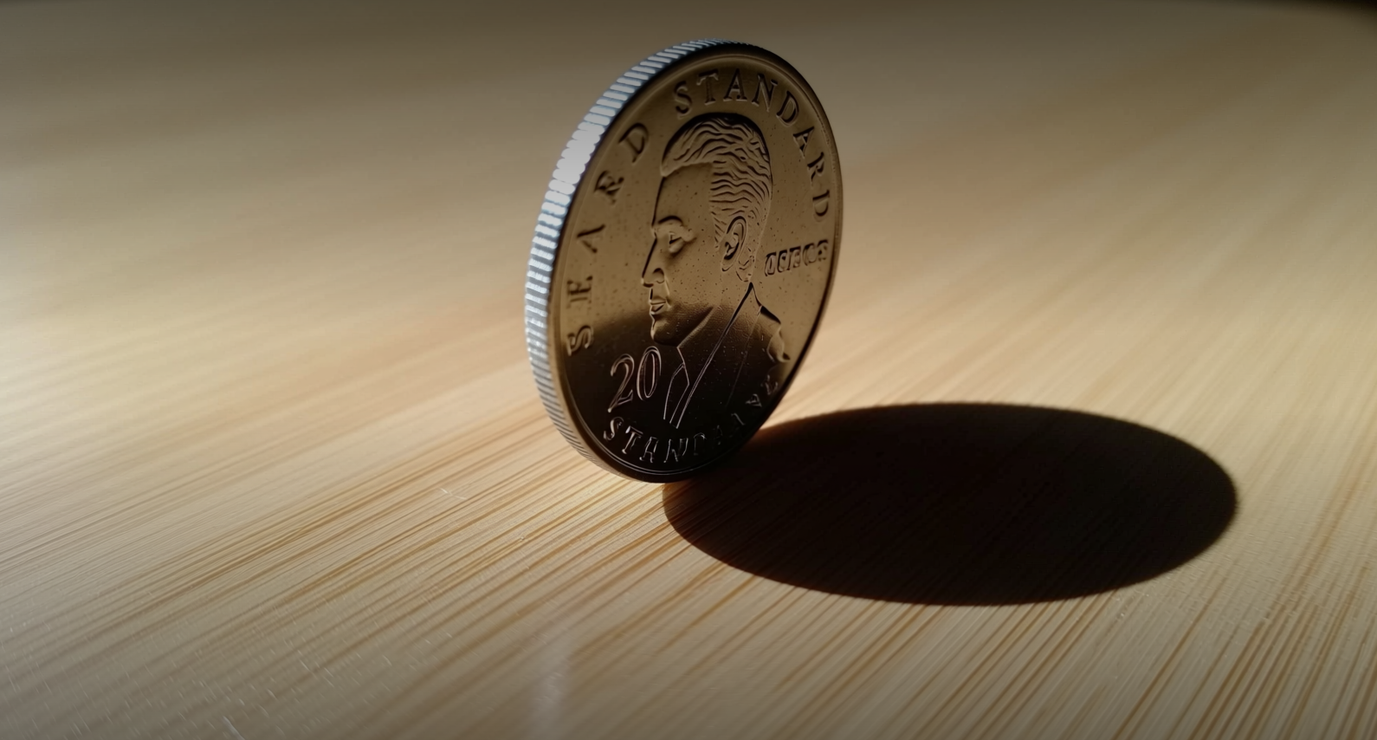
Coinbase-backed Ethereum layer-2 network Base activated its B20 token standard on mainnet Wednesday at 6 p.m. UTC, introducing a native framework for stablecoins, tokenized real-world assets and other fungible tokens that shifts core issuance functions from smart contracts to the chain protocol itself.
"B20 tokens are compatible with standard ERC-20 tokens but come with built-in issuer controls that include supply limits, transfer rules, minting, burning, pausing and transaction notes," Base said in its documentation.
The standard supports two variants. The asset variant allows configurable decimals between six and 18, while the stablecoin variant uses fixed six-decimal formatting and requires issuers to specify a fiat currency denomination such as the U.S. dollar or euro. Developers can create tokens under the new standard without building and auditing custom ERC-20 contracts, reducing a key barrier to compliant token issuance.
B20 was introduced as part of the Beryl upgrade, which went live June 26 and shortened withdrawal waiting periods from seven days to five days. The activation positions Base to compete for institutional tokenization business as more than $30 billion in real-world assets now sits on public blockchains, according to RWA.xyz data. Prediction markets currently price a 23% probability that Base will launch a native token by Dec. 31, 2026, up from 22% a day earlier.
The B20 activation follows back-to-back sequencer outages on June 25 and June 26. The first incident lasted 116 minutes after an invalid block was sequenced, while a second 20-minute outage occurred when a race condition prevented sequencers from catching up after a system reset. The initial outage happened hours before the scheduled Beryl upgrade, which was delayed by one day due to a separate B20 activation registry timing issue.
The new standard could accelerate stablecoin and RWA issuance on Base by eliminating the need for custom smart contract audits, potentially attracting major issuers and driving total value locked and transaction volume growth on the network. Market participants are watching for official announcements from Coinbase executives Brian Armstrong and Fred Ehrsam, as well as regulatory approvals and strategic partnerships that could further influence the perceived likelihood of a Base token launch.
This article is for informational purposes only and does not constitute investment advice.
