Ballard Power Systems Inc. secured a key production nomination from UK bus manufacturer Wrightbus to supply fuel cell engines for a new generation of double-decker buses, a move that validates its strategy to lower costs and lock in long-term service revenue. The deal designates Ballard’s newest engine, the FCmove-SC, for Wrightbus’s StreetDeck Hydroliner Gen 3.0 platform, with series production scheduled for 2027.
"Our next generation hydrogen bus is all about creating a TCO that is comparable to battery-electric," Wrightbus' Chief Procurement Officer Paul King said, noting there are many instances where electric buses lack the necessary range or require prohibitive infrastructure costs. "We are delighted to be able to extend our partnership with Ballard."
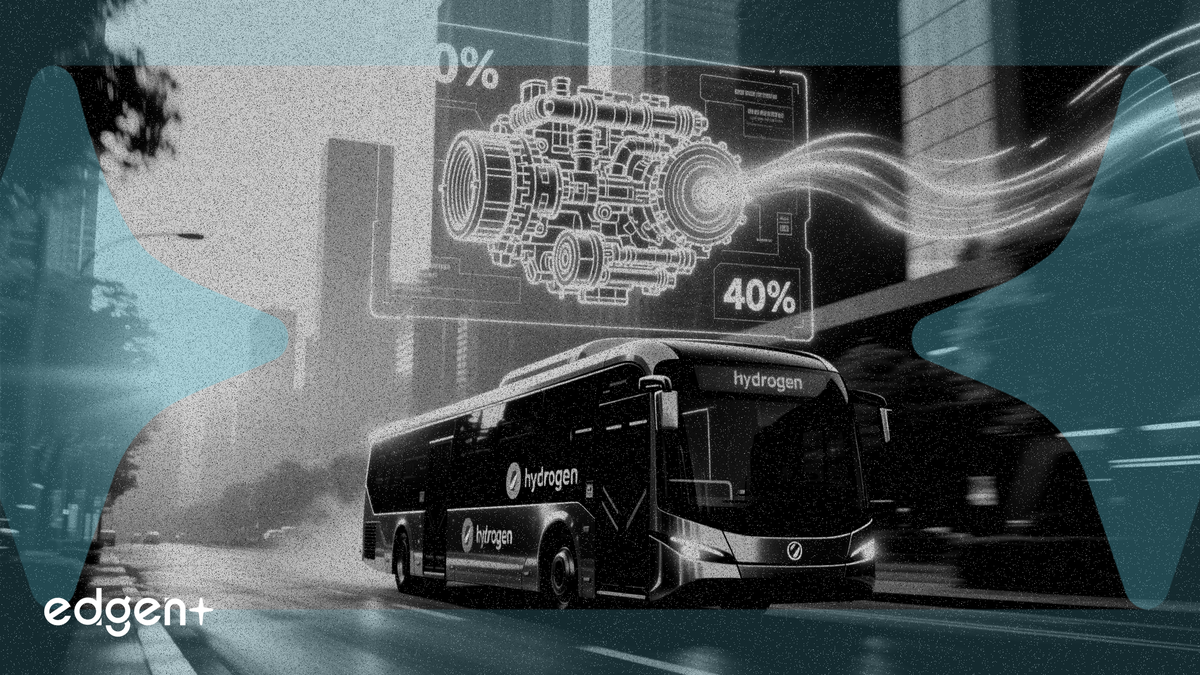
The nomination is one of several recent multi-year agreements for Ballard, which also signed deals with New Flyer in North America for approximately 50 megawatts of supply and with Solaris in Europe. These partnerships are built around the ninth-generation FCmove-SC engine, which reduces the number of components by more than 40 percent to simplify installation and maintenance. For Ballard, the design wins are critical to its cost-reduction roadmap, which includes bringing its high-volume automated bipolar plate manufacturing line, "Project Forge," into full production in the second half of 2026.
The Wrightbus deal reinforces Ballard’s shift from a pure module supplier to a full-lifecycle service partner, a strategy central to its path to profitability. CEO Marty Neese said on the company's recent earnings call that each new engine sale now includes a service level agreement, creating an "annuity of the service for the duration of the extended asset." Leveraging data from over 300 million kilometers of on-road experience, Ballard’s Fleet Services offering promises up to 98 percent fleet availability, a direct challenge to the uptime of traditional diesel and competing battery-electric fleets.
Financials and Forward Outlook
The commercial traction comes as Ballard shows improving financial health. The company reported Q1 revenue of $19.4 million, a 26 percent year-over-year increase, and its third consecutive quarter of positive gross margin, which reached 14 percent. Disciplined cost controls helped lower cash used in operations by 65 percent to $7.8 million.
With $516.8 million in cash and no bank debt, management expressed confidence in its financial position. While the company did not provide revenue guidance, citing the early-stage nature of the market, it projects 2026 operating expenses between $65 million and $75 million. Investors will get a deeper look at the company's strategy during a Capital Markets Day event on October 22. The focus on long-term service contracts and aggressive product cost-downs represents Ballard's core strategy to build a scalable and profitable business as the hydrogen economy matures.
This article is for informational purposes only and does not constitute investment advice.