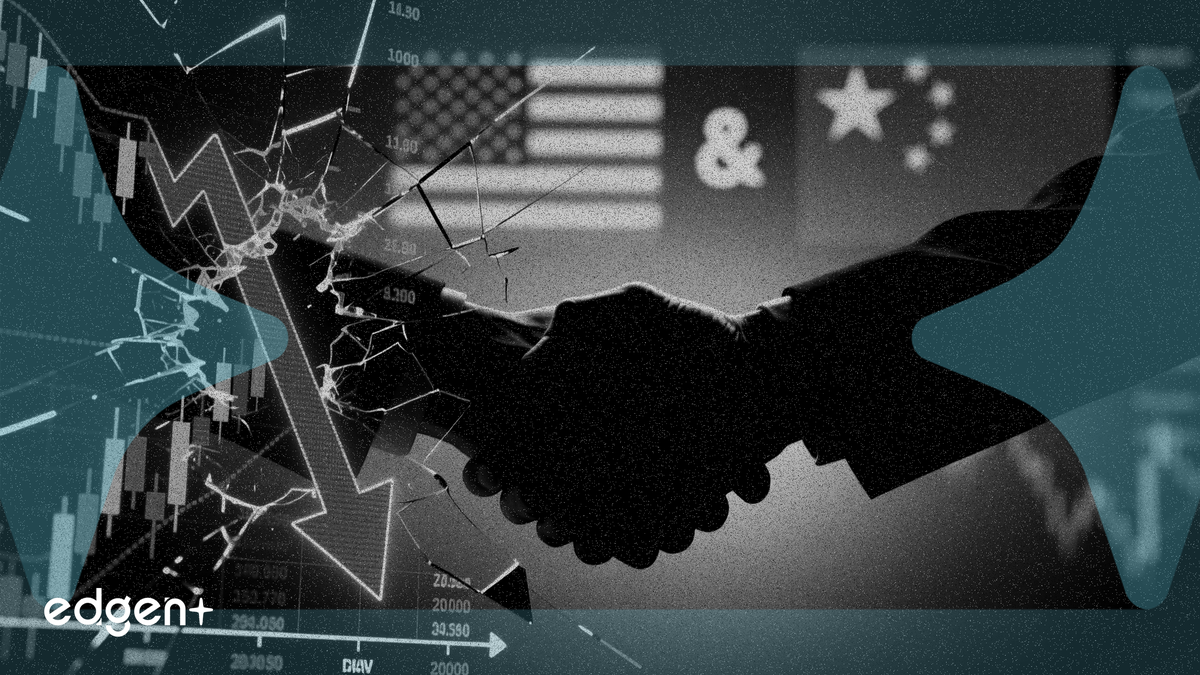
Dünyanın en büyük iki ekonomisinin liderleri arasındaki kritik zirvenin bir çözümden ziyade retorikle sonuçlanmasıyla Asya piyasalarına yatırımcı temkini hakim oldu.
ABD Başkanı Donald Trump ile Çin Devlet Başkanı Xi Jinping arasındaki zirvenin ticaret, teknoloji ve gümrük tarifeleri konusunda somut bir ilerleme sağlayamamasının ardından Asya borsaları Cuma günü genel olarak düştü; Güney Kore'nin Kospi endeksi %3,6 geriledi. OCBC Group Research stratejisti Christopher Wong, görüşmelerin ilk gününde istikrarlı bir ton yakalanmış olsa da "somut ilerlemelerin sınırlı olduğunu" belirterek, önemli konuların muhtemelen müzakere masasında kalmaya devam edeceğini ekledi. Riskten kaçış havası Japonya'nın Nikkei Endeksi'nin %1,3 kaybetmesine ve Hong Kong'un Hang Seng Endeksi'nin %1,1 geri çekilmesine neden oldu. Buna karşılık, Beyaz Saray'ın Çin'in daha fazla ABD petrolü satın almaya ilgi duyduğunu açıklamasının ardından Brent petrolü %1,3 artışla varil başına 107,08 dolara yükseldi.
Kapsamlı bir anlaşmanın olmaması, teknoloji kısıtlamaları ve gümrük tarifeleri gibi çözülmemiş meseleleri ortada bırakarak küresel tedarik zincirleri ve yatırımlar için belirsizliğin sürmesine neden oluyor. Yatırımcılar şimdi, Nvidia'nın çipleri ve ham petrol de dahil olmak üzere temel ABD ihracat ürünlerine ilişkin tartışmaların, küresel ticaret akışlarını değiştirebilecek politika değişikliklerine dönüşüp dönüşmeyeceğini izliyor.
Asya Hisse Senetlerinde Yaygın Düşüşler
Asya hisse senedi piyasalarındaki tepki hızlı ve olumsuz oldu. Güney Kore'nin Kospi endeksi, ilk kez 8000 seviyesine dokunduktan sonra yönünü aşağı çevirerek %3,6 düşüşle günü kapatarak en büyük darbeyi alan endeks oldu. Japonya'da Nikkei Endeksi %1,3 değer kaybederken, Hong Kong'un Hang Seng Endeksi %1,1 düştü. Düşüşler genele yayılırken, Çin anakarası piyasaları trende karşı gelerek Shanghai Composite ve Shenzhen Composite'te sırasıyla %0,1 ve %0,4'lük mütevazı kazançlar kaydetti.
Satış dalgası, Wall Street'ten gelen olumlu havaya rağmen gerçekleşti ve yatırımcıların tamamen Pekin'deki iki günlük zirvenin sonucuna odaklandığını gösterdi. MUFG'den Michael Wan'a göre, özellikle Nvidia gibi şirketler için teknoloji üzerindeki ABD kısıtlamalarına ilişkin süregelen belirsizlik temel bir endişe kaynağı olmaya devam ediyor. Bu durum, büyük bir negatif sürprizin olmamasının kâr satışlarını engellemeye yetmediği kırılgan yatırımcı duyarlılığını vurguluyor.
Jeopolitik Satranç Tahtası ve Emtia Hareketleri
Zirvenin en somut, ancak geçici sonucu enerji piyasalarında ortaya çıktı. Beyaz Saray'dan yapılan açıklamaya göre Çin, ABD petrolü alımlarını artırmaya ilgi duyduğunu belirtti. Çin'in İran ham petrolüne olan bağımlılığını azaltabileceğine işaret eden bu gelişme, petrol fiyatlarının yükselmesine yardımcı oldu. Batı Teksas tipi (WTI) ham petrol vadeli işlemleri %1,4 artışla varil başına 102,58 dolara yükselirken, Brent petrol %1,3 artışla 107,08 dolara çıktı. Görüşmeler, her iki liderin de küresel enerji sevkiyatları için kritik bir geçiş noktası olan Hürmüz Boğazı'nın açık kalması gerektiği konusunda anlaşmasıyla gerçekleşti; ancak bölgede trafik hala sınırlı ve somut bir barış anlaşması henüz hayata geçmiş değil.
ABD-Çin enerji ticaretine odaklanılması, büyük finans kuruluşlarının sergilediği geniş kapsamlı operasyonel ve diplomatik angajman temalarıyla örtüşüyor. Örneğin Citigroup CEO'su Jane Fraser, kısa süre önce Çin'e giden üst düzey bir ABD delegasyonuna katılarak siyasi ve ticari müzakerelere paralel olarak yürütülen derin finansal bağların altını çizdi. Yatırımcılar için bu durum, ticari sürtüşmelere rağmen özellikle enerji ve finans gibi stratejik sektörlerde ticari iş birliği kanallarının aktif olarak geliştirildiğini gösteriyor. Gelecekteki soru, bu paralel angajman ve sürtüşme yollarının nasıl çözüleceği ve emtialar üzerindeki geçici anlaşmaların teknoloji ve gümrük tarifeleri gibi daha tartışmalı konularda ilerlemenin önünü açıp açmayacağıdır.
Bu makale yalnızca bilgilendirme amaçlıdır ve yatırım tavsiyesi niteliği taşımaz.