The warning from a 30-year market veteran comes as SpaceX and Anthropic prepare IPOs worth a combined $3.55 trillion.
The warning from a 30-year market veteran comes as SpaceX and Anthropic prepare IPOs worth a combined $3.55 trillion.
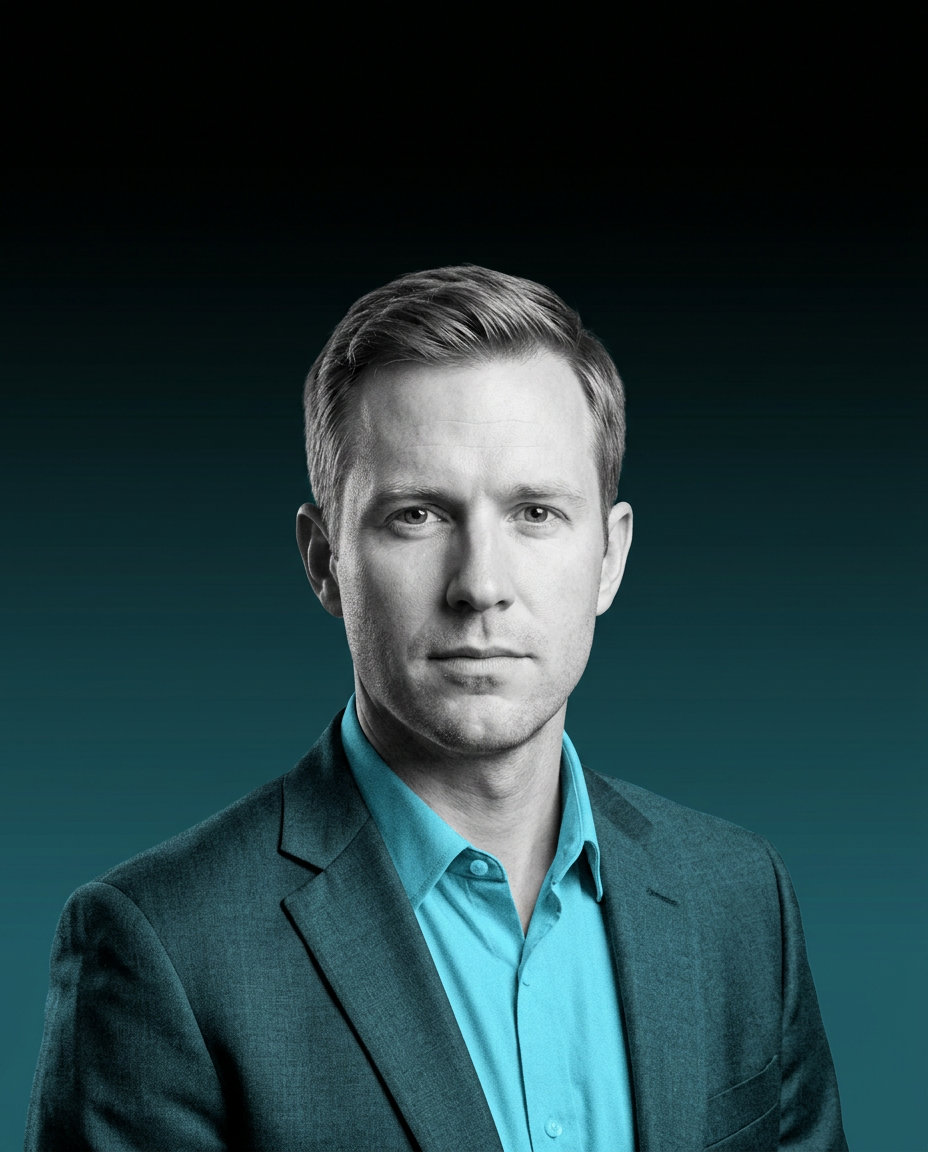
Investors selling existing stocks to fund purchases of new initial public offerings are creating a dangerous dynamic that could destabilize the broader market, according to Ariel Investments Vice Chairman Charles Bobrinskoy.
"When you sell a stock you know to buy an IPO you don't, you're not investing — you're speculating," Bobrinskoy said on CNBC's "Squawk on the Street" on June 4. "That behavior rarely ends well."
SpaceX is scheduled to go public next week, while Anthropic has confidentially filed for its own listing. Together, the two companies are expected to command roughly $3.55 trillion in combined market value — larger than the entire stock markets of most developed economies, according to 24/7 Wall St. The capital required for index funds, pension funds, and ETFs to build positions in both names would force a significant rotation away from existing holdings across technology, AI, and crypto assets.
The risk is that forced selling of established positions to make room for new mega-cap IPOs could depress prices across a broad swath of the market, particularly in technology and AI where institutional portfolios are most concentrated. If the rotation accelerates, it could amplify volatility in both the new issues and the stocks being sold to fund them, creating a feedback loop that undermines portfolio returns.
A Liquidity Demand Shock Unlike Any Before
The $3.55 trillion combined market capitalization would instantly make SpaceX and Anthropic two of the largest publicly traded U.S. companies. SpaceX, the dominant force in commercial space launch through Falcon 9 and Starship, has built a global communications network through Starlink that now serves more than 4 million subscribers across 100 countries. Anthropic has emerged as a leading generative AI company, with its Claude models competing directly against OpenAI's GPT family and commanding enterprise contracts worth hundreds of millions of dollars annually.
The last time the market absorbed a comparable wave of mega-cap IPOs was during the 2021 SPAC boom, when 613 special-purpose acquisition companies raised $162.5 billion, according to SPAC Research. But the current concentration risk is far greater: two companies representing $3.55 trillion in market value entering the public markets within weeks of each other creates a liquidity demand that dwarfs any prior period. The 2021 SPAC wave was spread across hundreds of vehicles over 12 months; the current wave is concentrated in two names over a matter of weeks.
Institutional investors face a structural dilemma. Passive funds tracking the S&P 500 and Nasdaq 100 will be required to add both names to their portfolios once they meet index inclusion criteria. Active managers, meanwhile, face pressure to outperform benchmarks that will soon include these stocks. The result is a predictable cascade: sell existing positions to raise cash, bid up the IPOs, and potentially depress the stocks that were sold. The sectors most exposed to this rotation are the very technology and AI names that have driven market returns over the past two years.
The rotation is already visible in market data. Investors are selling technology and crypto positions to free up capital for the upcoming offerings, Bobrinskoy said. This creates a self-reinforcing cycle where selling begets more selling, particularly in names with high institutional ownership. The broader market concentration problem — where the top 10 stocks in the S&P 500 account for more than 35 percent of the index's weight — amplifies the risk, as selling pressure on a handful of mega-cap names can move the entire index.
For the broader market, the implications extend beyond the IPO window. If SpaceX and Anthropic trade higher after listing, the opportunity cost of not owning them could drive further rotation out of incumbent tech stocks. If they trade lower, the losses could compound the damage from the initial selling. Either scenario introduces a volatility event that the market has not priced in. Bobrinskoy's warning suggests that the safest approach may be to wait for the dust to settle rather than chase the IPO wave.
This article is for informational purposes only and does not constitute investment advice.
