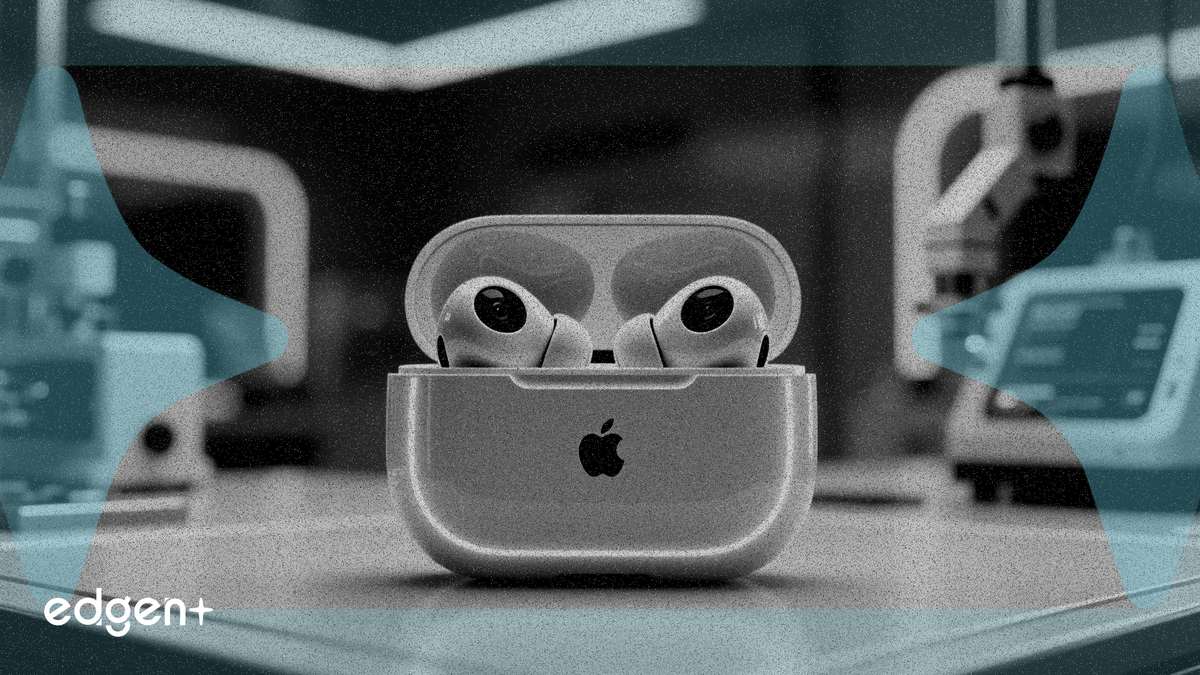
Apple Inc. is moving into the final development stages for a new generation of AirPods equipped with cameras, a major step in the company’s strategy to create AI-native hardware beyond the iPhone. The project, which has been in development for approximately four years, has now entered Design Verification Testing (DVT), the last major phase before mass production, according to people familiar with the matter.
"The project has now entered a phase where prototypes are near their final design and capabilities," Bloomberg’s Mark Gurman, who has reported on the device, said. This indicates the hardware, which features a camera on each earbud, is largely complete, though the ultimate launch timeline remains dependent on software performance.
The new AirPods, which may resemble the current Pro models but with longer stems to house the new components, are not designed for taking photos. Instead, the low-resolution cameras are intended to act as eyes for Siri, capturing visual information to be processed by an AI system. This would allow users to ask questions about their surroundings—for example, looking at ingredients in a refrigerator and asking for a dinner recipe. The device will reportedly feature a small LED light to indicate when it is capturing visual data, a nod to privacy concerns.
This product represents a significant bet for Apple and its incoming CEO, John Ternus, who is reportedly championing the project. Success would open a new wearables category for Apple, creating a new revenue stream and a beachhead in the emerging AI hardware market. Failure, however, could be another setback in its post-iPhone hardware efforts, following the cancellation of its car project and the niche-market status of the Vision Pro.
Siri's Eyes, Not a Spy Camera
The core function of the camera-equipped AirPods is to give Siri environmental and visual awareness, a feature Apple is calling "visual intelligence." This hands-free capability is similar to the camera-sharing function in Google's Gemini Live. Potential applications include Siri offering turn-by-turn directions based on visible landmarks or sending a reminder based on an object that comes into the camera's view.
This approach directly addresses a key limitation of audio-only assistants. However, it also raises privacy questions, which have plagued camera-equipped wearables from Google Glass to Meta's Ray-Bans. Apple's proposed solution is a small LED indicator light, though its visibility on a small earbud remains a practical concern. The device will not support gesture controls, differentiating it from the Vision Pro headset.
Apple's Wearable AI Gambit
The camera-equipped AirPods are the furthest along in a pipeline of new AI-centric wearables from Apple, signaling a broader strategic push to compete with rivals like Meta and OpenAI. Meta has already found some success with its Ray-Ban smart glasses, and OpenAI is reportedly exploring hardware projects.
Other rumored Apple devices in early development include a clip-on "pendant" similar to the Humane AI Pin and a more advanced pair of smart glasses. The pendant, described as an AirTag-sized accessory, would act as an iPhone companion without a display. The smart glasses, which could launch in 2026 or 2027, are expected to integrate cameras and speakers, much like Meta's offering. The success of these future products may hinge on how well Apple's revamped Siri, reportedly enhanced with technology from Google's Gemini, is received when it launches.
For investors, the new AirPods represent a crucial test of Apple's innovation engine under new leadership. The product's success is not guaranteed and depends heavily on the execution of its AI software, but it provides a glimpse into a future where Apple's ecosystem extends far beyond the iPhone. While the hardware is nearly ready, potential software delays could still push the launch, originally planned for 2025, into 2026 or later.
This article is for informational purposes only and does not constitute investment advice.