

Apple's trade secrets lawsuit against OpenAI could derail the AI company's push into consumer hardware, threatening a $6.5 billion bet on physical devices.
Apple's trade secrets lawsuit against OpenAI could derail the AI company's push into consumer hardware, threatening a $6.5 billion bet on physical devices.
Apple's trade secrets lawsuit against OpenAI could derail the AI company's push into consumer hardware, threatening a $6.5 billion bet on physical devices.
Apple filed a lawsuit on July 10 accusing OpenAI of orchestrating a campaign to steal confidential information about unreleased products and manufacturing processes, according to the complaint filed in California federal court. The iPhone maker alleges that more than 400 former Apple employees now work at OpenAI, including Chief Hardware Officer Tang Tan, a 24-year Apple veteran who led product design.
"The evidence suggests individuals employed by OpenAI wrongfully took Apple's secret and confidential information regarding our unreleased technologies, processes, and products," an Apple spokesperson told Politico. OpenAI said in a statement that it is "not aware of any evidence that this complaint has merit."
Apple has since sent legal preservation letters to roughly 40 former employees now at OpenAI, directing them to preserve documents and communications, the Financial Times reported. The complaint names Tan and former Apple senior systems electrical engineer Chang Liu as defendants, alleging Liu kept a company laptop after leaving and downloaded dozens of confidential hardware files. Apple is seeking an injunction to prevent OpenAI from using any Apple information in developing its hardware devices.
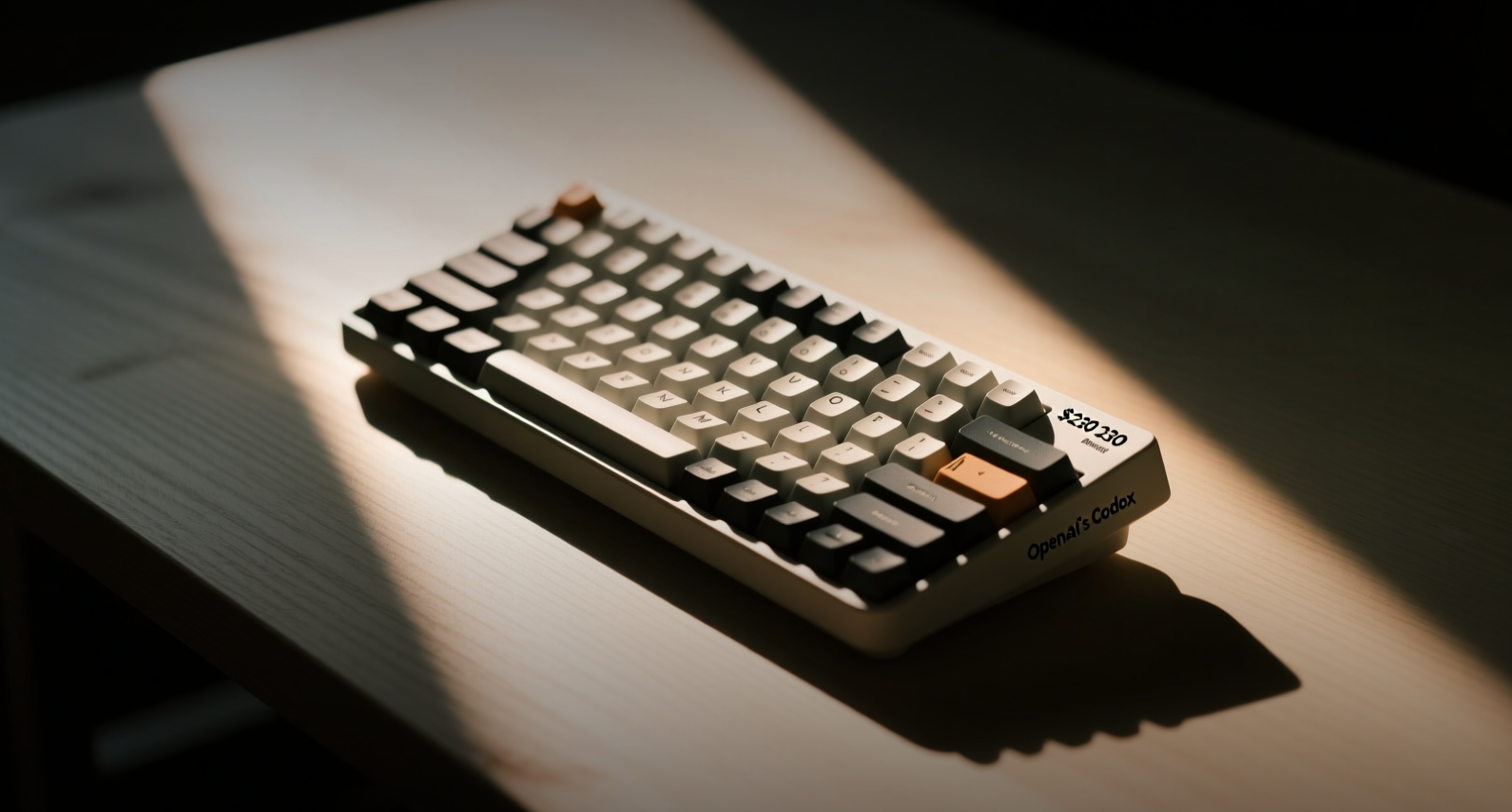
The lawsuit represents a serious threat to OpenAI's hardware plans, which include a screenless smart speaker that can move around the home and act as an AI companion, expected to be announced by the end of 2026 and launch in 2027, according to Bloomberg. OpenAI acquired io Products, the hardware startup founded by former Apple design chief Jony Ive, for $6.5 billion last year. The company also released its first branded hardware product this week — a $230 mini keyboard designed for its Codex coding agent.
The Hardware at Stake
OpenAI's first major device is a voice-driven home companion with a camera that can recognize people, pets, and household events, according to reports. It functions as a smart speaker that can move independently, putting it in direct competition with Apple's HomePod and Amazon's Echo line. The device is designed to integrate deeply with ChatGPT, pulling in emails, messages, and contextual data to act as a personalized AI assistant.
"Nothing has come along in technology quite like AI in decades — it's the most fundamentally important technology since the dawn of personal computing itself," Leander Kahney, editor of Cult of Mac, told Politico. "Apple must think that there's a very serious challenge going on with OpenAI."
IPO Implications and Competitive Fallout
The legal battle comes as OpenAI is reportedly eyeing an initial public offering as early as this year. A preliminary injunction blocking the company from using Apple-related information in its hardware development could delay product timelines and cast doubt on the IPO's valuation. Kahney said the lawsuit could be "existential" for OpenAI's hardware division, noting the company is "running out of money so fast."
Apple, meanwhile, has been strengthening its own AI position. After initially integrating ChatGPT into Apple devices in 2024, the company announced earlier this year it was revamping Siri with Google's Gemini models. Siri AI is expected to become the default way many users interact with AI, giving Apple a distribution advantage that competitors will struggle to match.
For investors, the lawsuit introduces significant uncertainty around OpenAI's hardware roadmap and IPO timeline. Apple shares have benefited from the company's defensive posture on intellectual property, while OpenAI's valuation — already under pressure from high capital costs — faces additional legal overhang. The broader AI hardware sector may see increased scrutiny on employee mobility and trade secret protections as a result of this case.
This article is for informational purposes only and does not constitute investment advice.
