

Apple's restrained approach to artificial intelligence spending has turned a former liability into a market-beating advantage, with the stock outperforming the Nasdaq 100 by 23 percentage points in July — the widest gap since 2005.
Apple's restrained approach to artificial intelligence spending has turned a former liability into a market-beating advantage, with the stock outperforming the Nasdaq 100 by 23 percentage points in July — the widest gap since 2005.
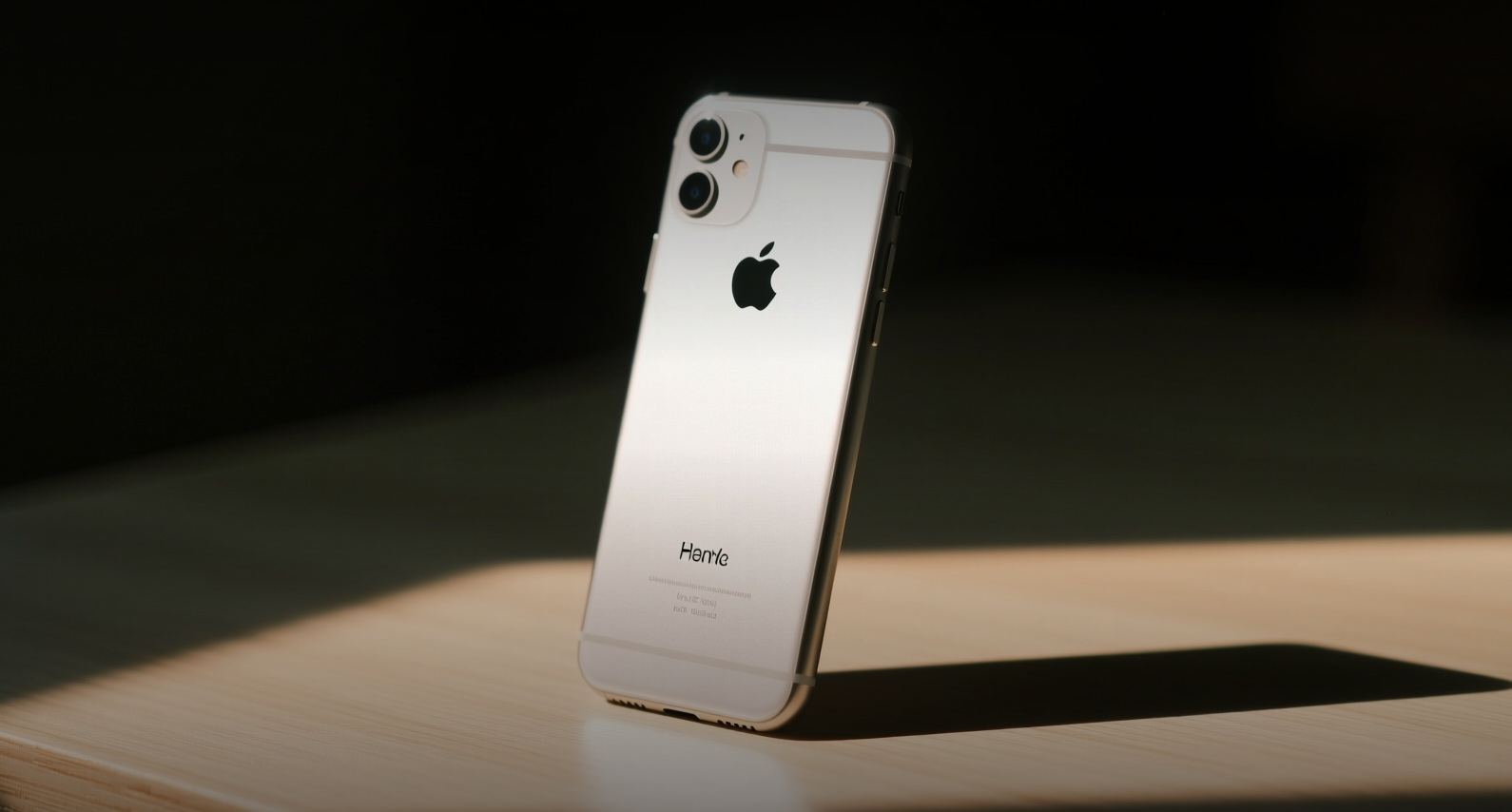
Apple's restrained approach to artificial intelligence spending has turned a former liability into a market-beating advantage, with the stock outperforming the Nasdaq 100 by 23 percentage points in July — the widest gap since 2005.
Apple shares surged past the Nasdaq 100 by 23 percentage points in July, the widest monthly outperformance since 2005, as investors rewarded the company's restrained AI spending strategy over Nvidia's capital-intensive buildout, according to Dow Jones Market Data.
"The market is repricing AI winners based on capital efficiency rather than spending scale, and Apple's discipline is now the template," said Sarah Lin, who covers US equities at Edgen.
The rotation has reshuffled market cap rankings, with Apple reclaiming the world's most valuable company crown at about $337 a share while Nvidia traded near $196. Apple's stock has gained 18.7% in the past month heading into its July 30 earnings report — Tim Cook's final quarterly call as chief executive officer. Nvidia, by contrast, fell about 5% in a single session last week after reports showed its AI-related financing commitments had exceeded $750 billion, fueling concerns that aggressive infrastructure spending may become difficult to sustain. The Nasdaq 100 futures slipped 1% to 27,902.25 in recent trading, while S&P 500 futures edged down 0.3% to 7,424.50.
The divergence marks a sharp reversal from earlier this year, when Nvidia's dominance in AI chips made it the market's undisputed leader. Apple, once criticized for moving too slowly on AI, now benefits from a capital allocation strategy that prioritizes shareholder returns over massive infrastructure bets. The company raised its dividend 4% to 27 cents a quarter and authorized a fresh $100 billion buyback, returning roughly $32 billion to shareholders in a single quarter. Nvidia, which trades at a price-to-earnings ratio of 40 versus Apple's 44, posted 85% revenue growth to $81.6 billion in its most recent quarter, but data center revenue accounted for more than 92% of total sales — a concentration risk that has drawn scrutiny from investors. Insider selling has also picked up, with 26 recent transactions including large dispositions by Nvidia's chief executive and chief financial officer in June.
AI Spending Fears Spread Across Markets
The shift in investor preference carries implications beyond the two stocks. It signals a broader reassessment of the AI trade, where companies with high capital expenditure requirements face greater skepticism about return on investment. The S&P 500 and Nasdaq 100 both slipped in recent sessions as AI spending fears weighed on semiconductor stocks. The weakness spread across Asian markets, with South Korea's KOSPI plunging more than 10% and Japan's Nikkei 225 falling nearly 4% on concerns about Chinese chip competition and oversupply. Samsung Electronics and SK Hynix each tumbled almost 14%, reflecting growing investor concerns over China's rapid semiconductor progress. The U.S. 10-year Treasury yield edged lower as investors rotated toward defensive positioning, while the dollar index held near recent highs.
For Apple, the outperformance sets a high bar ahead of its earnings report. Historically, the stock has averaged a 1.1% decline on the day after earnings even when results beat estimates, according to Dow Jones Market Data. But the broader narrative has shifted: in a market increasingly skeptical of unchecked AI spending, Apple's frugality has become its strongest asset. The question for investors now is whether this rotation has further to run, with the Federal Reserve's two-day policy meeting beginning this week and Big Tech earnings from Microsoft, Meta, and Amazon also on deck. Markets assign roughly a 38% probability of a rate hike this week and an 80% chance of another increase in September, according to CME FedWatch data.
This article is for informational purposes only and does not constitute investment advice.
