

Apple skips high-end M6 Pro and Max chips to accelerate an AI-focused M7 series, betting on-device AI will define the next upgrade cycle.
Apple skips high-end M6 Pro and Max chips to accelerate an AI-focused M7 series, betting on-device AI will define the next upgrade cycle.
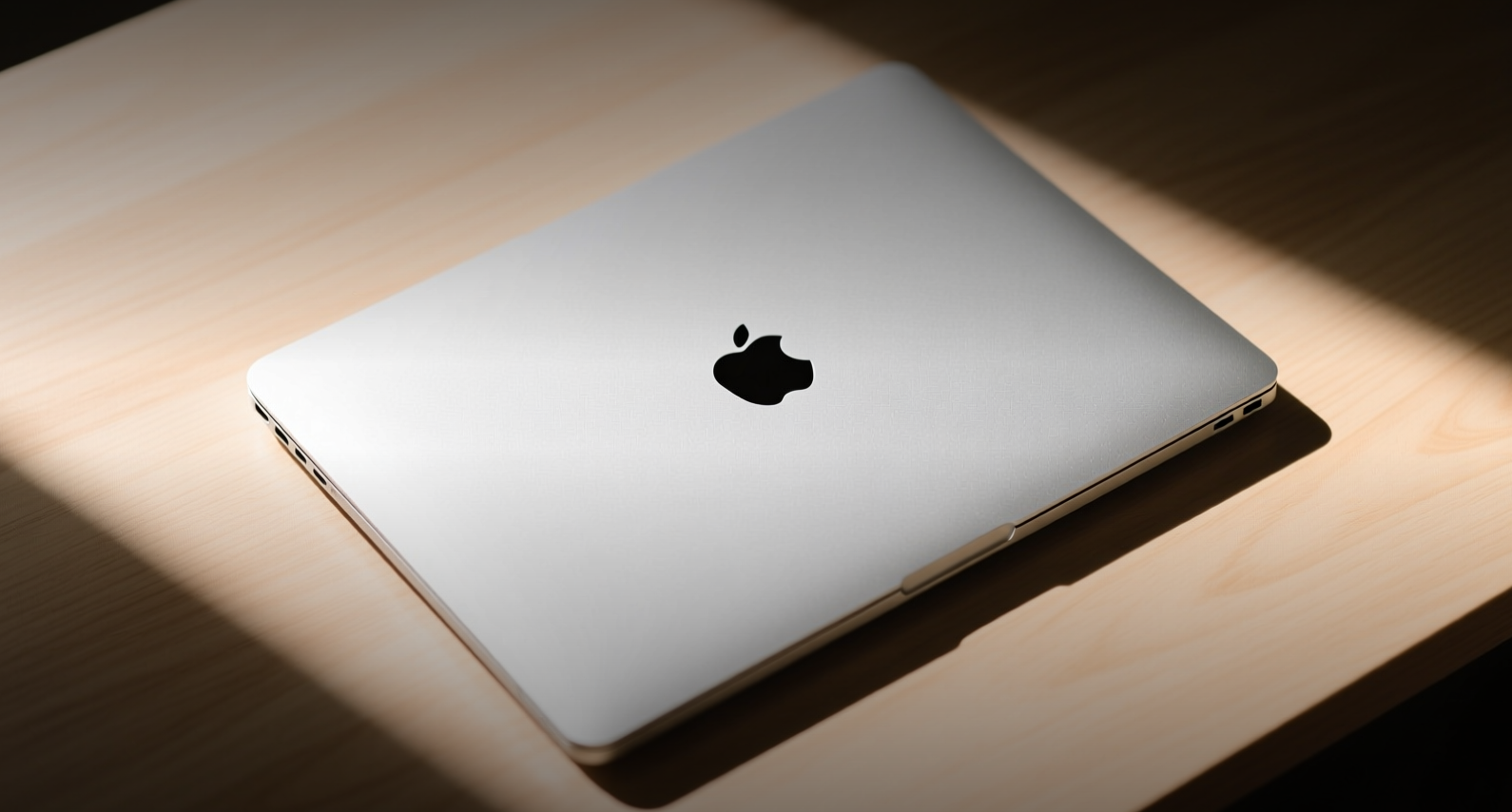
Apple plans to launch base-model M6 Macs first, then jump directly to M7 Pro, Max, and Ultra chips built around artificial intelligence capabilities, according to people familiar with the matter. The decision breaks from the company's pattern of releasing a full chip family before moving to the next generation.
"Apple is betting that AI is the new performance frontier, and it's willing to sacrifice a traditional generational cadence to get there," said Bob O'Donnell, an analyst at TECHnalysis Research. "The question is whether the M7's AI features will drive upgrades in a market where memory costs are squeezing both Apple and its customers."
The M6 base chip, expected in lower-end Macs by early 2027, will likely use TSMC's N3P process — a refinement of the 3nm node used in the current M4 family. The high-end M6 variants that would have powered MacBook Pro and Mac Studio models are being shelved for M7 chips with dedicated neural processing units optimized for on-device AI workloads.
The shift comes as Apple navigates a global memory shortage that forced its first broad mid-cycle price increases — Macs rose $100 to $300 and iPads climbed $150 to $200 on Thursday — while preparing for a CEO transition from Tim Cook to hardware chief John Ternus on Sept. 1. Apple shares fell about 5% on the news.
The pivot mirrors a broader industry shift. Intel, which Apple abandoned as its Mac chip supplier in 2020, is now positioning itself as a potential foundry partner after Washington announced a deal last week pairing the two companies. Intel's 14A process, which Tesla committed to use in April, is expected to be available in 2028 or 2029 — a timeline that aligns with Apple's M7 production window.
Apple's AI chip push also comes as it faces pressure to match rivals in on-device AI. Microsoft has integrated Copilot across its Surface lineup, and Qualcomm's Snapdragon X Elite chips offer 45 TOPS of NPU performance. Apple's current M4 chip delivers 38 TOPS, and the M7 will need to significantly exceed that to maintain its position in the AI PC market, which IDC projects will grow to 60% of all PC shipments by 2028.
The chip roadmap restructuring is unfolding against the worst memory shortage in decades. DRAM prices rose 98% in the first quarter of 2026, and NAND flash prices surged 55% to 60% in the same period, according to TrendForce. Memory makers Micron, SK Hynix, and Samsung have redirected production toward high-bandwidth memory for AI data centers, starving the consumer market.
Apple absorbed the cost increases for several quarters but broke on Thursday, raising prices across Macs, iPads, Vision Pro, HomePod, and Apple TV. The company said it had "never seen a component price increase this much, this quickly." Intel CEO Lip-Bu Tan has said there will be no relief until 2028.
For Apple's M7 strategy, the memory crisis creates a tension: AI workloads require more memory — the M7's neural engine will need fast, abundant DRAM to process large language models locally — but memory is becoming more expensive and harder to source. Incoming CEO John Ternus, who rose through the hardware engineering ranks over 25 years, will inherit this challenge as the iPhone 18 launch approaches this fall.
Apple trades at roughly 28 times forward earnings. Wedbush analyst Dan Ives maintained an Outperform rating and a $400 price target, citing Apple's Intel partnership as a supply chain diversification strategy and its roughly $600 billion in planned U.S. manufacturing investments as a longer-term hedge against component volatility.
This article is for informational purposes only and does not constitute investment advice.
