


Apple ended Monday at $4.94 trillion, surpassing Nvidia to reclaim the world's most valuable company title for the first time since April 2025.
Apple ended Monday at $4.94 trillion, surpassing Nvidia to reclaim the world's most valuable company title for the first time since April 2025.
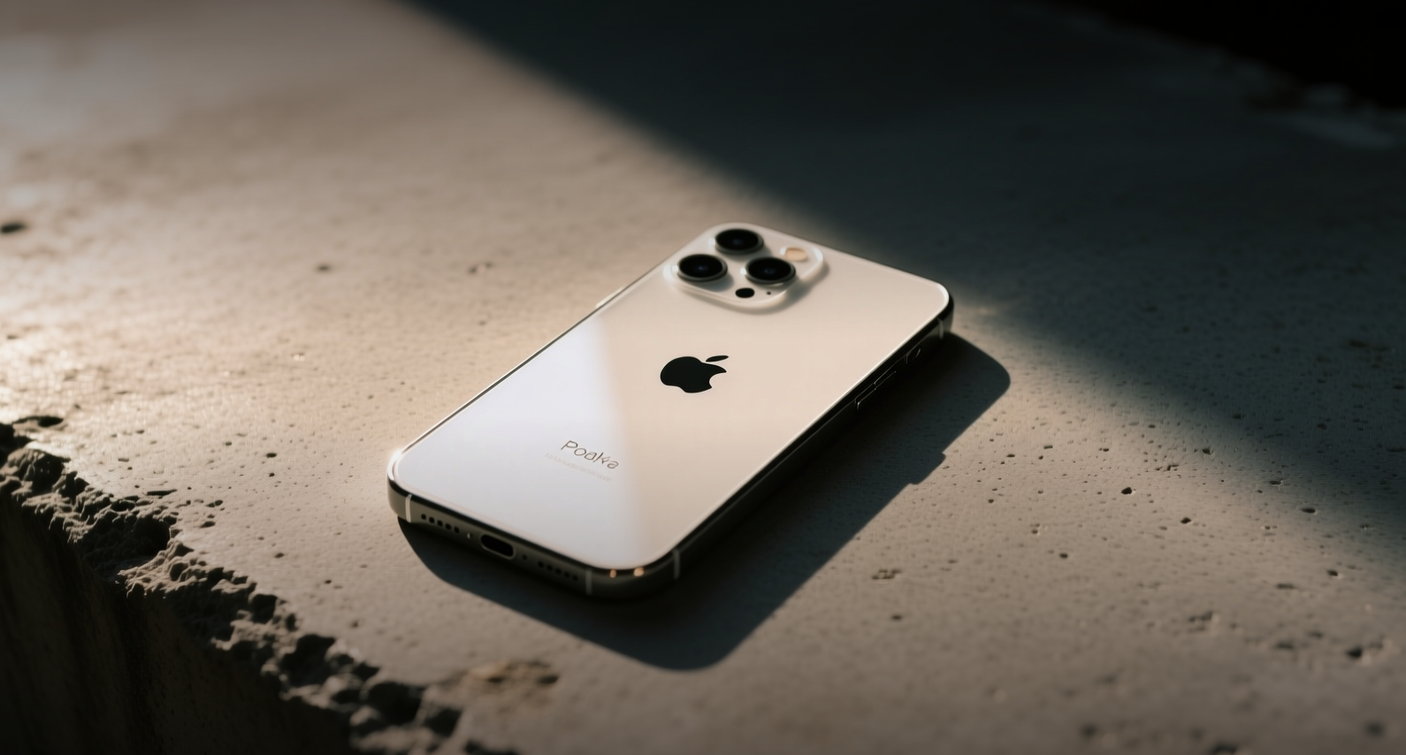
Apple surpassed Nvidia to become the world's most valuable company Monday, closing at a record $339.57 with a market capitalization of $4.94 trillion. The iPhone maker's shares rose nearly 1% while Nvidia dropped 5.5% to a $4.74 trillion valuation, widening the gap between the two megacap stocks.
"The rotation out of semiconductors into consumer tech reflects growing investor scrutiny of AI capital spending," said Chris Larkin, managing director of trading and investing at E*TRADE from Morgan Stanley. "Apple's hybrid AI strategy — combining on-device processing with cloud services — requires far less infrastructure investment than the hyperscaler model."
Nvidia's decline accelerated after the Wall Street Journal reported the chipmaker is in talks with OpenAI to guarantee as much as $250 billion in financing for a federal government-backed data center project in Ohio, the latest example of circular financing in the AI sector that has sparked investor concern. The broader semiconductor selloff deepened, with the iShares Semiconductor ETF falling 2% and memory stocks Sandisk, Western Digital and Seagate declining between 4% and 11%. Software stocks rallied in contrast, with the iShares Expanded Tech-Software Sector ETF gaining 4% as Salesforce jumped 6.5%.
Apple last held the top spot at the close on May 2, 2025. Nvidia had held the crown since June 2025 after overtaking Microsoft. The market cap milestone comes during the busiest week of earnings season, with Apple, Amazon, Meta Platforms and Microsoft all scheduled to report results. The 10-year Treasury yield pulled back more than four basis points to about 4.64%, while oil prices plunged — WTI crude fell 7.8% to $82.30 a barrel and Brent crude dropped 9.1% to $88 — after reports that Iran would pause military attacks if the U.S. continued its own pause. The U.S. dollar index was near flat at 101.50.
The major indexes logged mixed results. The Dow Jones Industrial Average rose 0.5% and the S&P 500 edged fractionally higher, while the tech-heavy Nasdaq Composite slipped 0.2%. Energy was the worst-performing S&P 500 sector, falling 1.6%, as oil prices tumbled on the prospect of de-escalation in the Middle East.
The shift in market leadership highlights a broader tension in equity markets: American households now hold a record 32% of their financial assets in stocks, near the highest level since the Federal Reserve began tracking the data in the 1950s and above the 27% peak during the dot-com era, according to Goldman Sachs. The concentration of wealth in equities leaves household balance sheets more exposed to a single asset class just as AI-driven volatility has gripped markets.
With the Federal Reserve's two-day policy meeting beginning Tuesday and megacap earnings dominating the calendar, the sustainability of Apple's valuation premium — currently trading at about 40 times trailing earnings — will face its next test this week. Traders are pricing in a 38% likelihood of a rate hike at this week's meeting, up from about 16% one week ago, according to the CME Group's FedWatch tool. For Apple, the question is whether its consumer-first AI strategy can justify a multiple that far exceeds the broader market's.
This article is for informational purposes only and does not constitute investment advice.
