


Anthropic is adopting AMD's MI-series GPUs as its third chip supplier, joining Google TPU and Samsung in a multi-source computing strategy that reduces dependence on Nvidia.
Anthropic is adopting AMD's MI-series GPUs as its third chip supplier, joining Google TPU and Samsung in a multi-source computing strategy that reduces dependence on Nvidia.
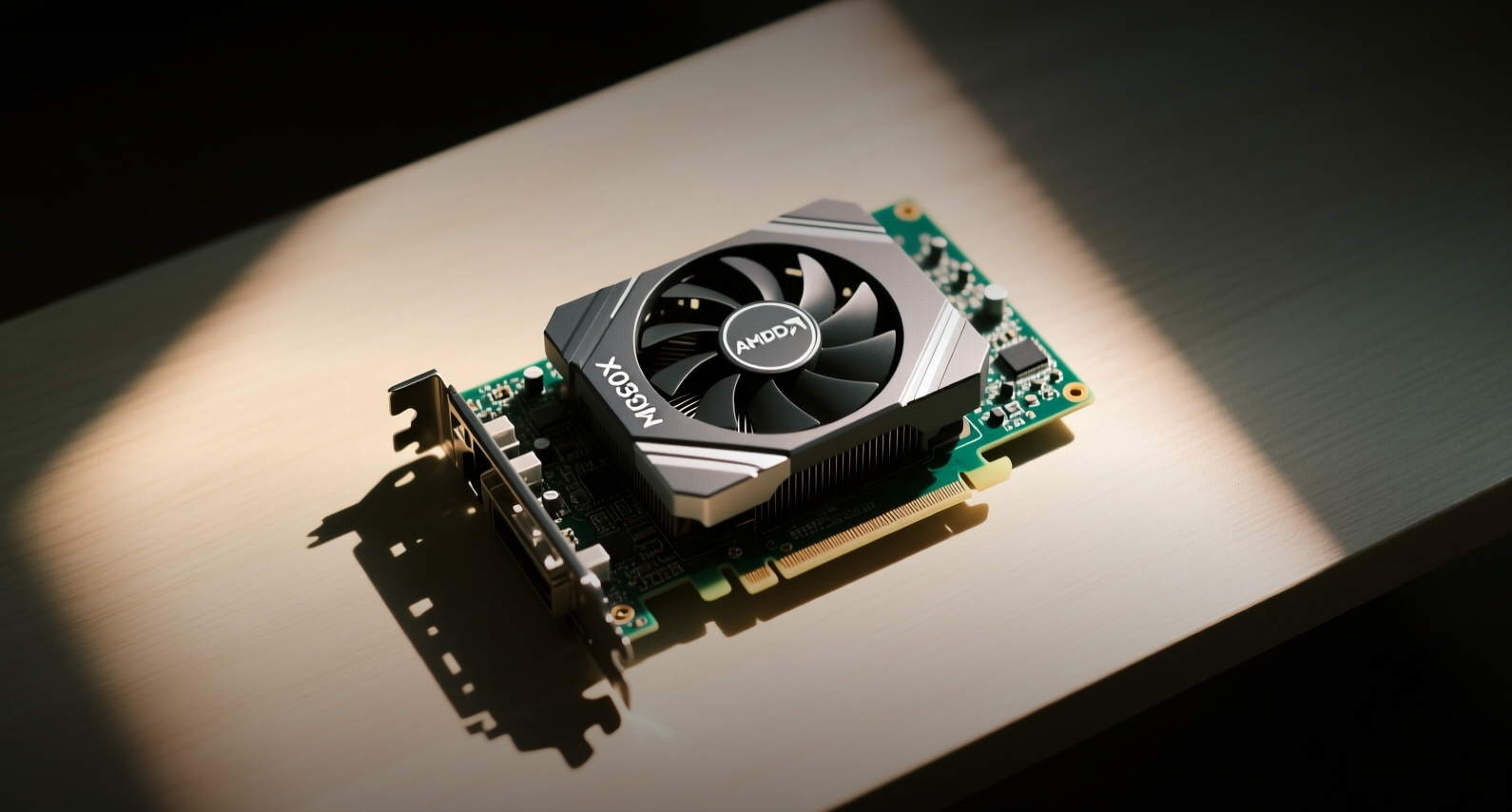
Anthropic is adopting AMD's MI-series GPUs as a third chip supplier, joining Google TPU and Samsung in a multi-source strategy that challenges Nvidia's dominance in AI training infrastructure. The Claude developer's move toward chip diversification comes as AI labs face soaring compute costs and supply constraints tied to Nvidia's GPU allocation system.
The discovery came from AMD AI senior director's public GitHub code, analyzed by chip research firm SemiAnalysis. "Anthropic will become an AMD customer," SemiAnalysis said in a post on X, without disclosing the scope or timeline of the deal. AMD declined to comment on the report.
Anthropic already uses Google's Tensor Processing Units — a relationship tied to Google's strategic investment in the company — and had previously added Samsung to its supplier network. AMD's MI300X and upcoming MI350 accelerators compete directly with Nvidia's H100 and B200 GPUs for large-scale AI training and inference workloads, offering comparable performance at competitive pricing, according to AMD's published specifications. The MI300X delivers 1.3 petaflops of FP16 performance, compared with the H100's 990 teraflops, though real-world training throughput depends on software optimization through AMD's ROCm platform.
The move reflects a systemic shift among top AI labs. OpenAI, Google DeepMind and Meta are all evaluating alternative chip sources to avoid single-vendor lock-in, creating openings for AMD, Intel and cloud custom silicon providers. For AMD, landing Anthropic as a customer provides a marquee reference win in the $150 billion-plus AI chip market, where Nvidia holds an estimated 80% share.
GitHub Code Becomes a Leak Channel
The disclosure path was unusual. AMD AI senior director's public GitHub repository contained code references that SemiAnalysis interpreted as confirming Anthropic's adoption of AMD hardware. Such inadvertent disclosures through public code repositories are not uncommon in the semiconductor industry, where engineers routinely push code to open platforms. The incident highlights the difficulty of keeping supply chain relationships confidential during the engineering integration phase.
What This Means for the AI Chip Landscape
Anthropic's multi-supplier approach mirrors a broader industry trend. Google is commercializing its TPU line, selling capacity through a Blackstone-backed neocloud venture with a 500-megawatt deployment plan. Alphabet shares, trading at $352.51, have returned 94.7% over the past year as the company pushes deeper into AI infrastructure.
For Nvidia, which commands an estimated 80% of the AI accelerator market, customer diversification poses a long-term risk to its pricing power and GPU allocation leverage. AMD shares could benefit from the validation, though the company has yet to disclose the revenue contribution from its data center GPU business in detail.
Google's parallel push to commercialize TPUs adds another dimension. Alphabet is selling TPU capacity through a Blackstone-backed neocloud venture, positioning itself as both a chip supplier and a cloud provider. That dual role could give Anthropic — already a TPU customer through Google Cloud — additional leverage in negotiating compute pricing across both AMD and Google hardware.
This article is for informational purposes only and does not constitute investment advice.
