

Alphabet's custom TPU chips generated revenue for the first time in Q2, entering an AI chip market projected to reach $1.1 trillion by 2035.
Alphabet's custom TPU chips generated revenue for the first time in Q2, entering an AI chip market projected to reach $1.1 trillion by 2035.
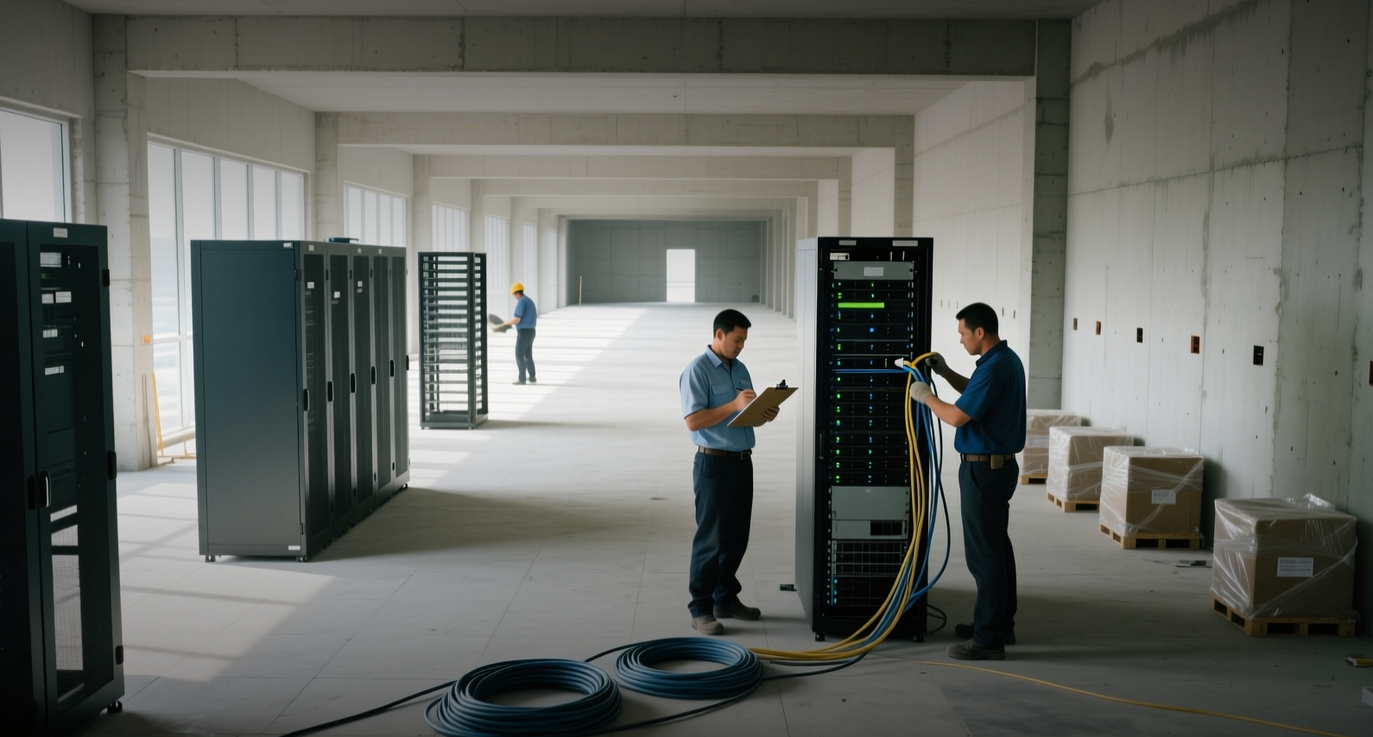
Alphabet's Tensor Processing Units generated revenue for the first time in Q2, as cloud revenue grew 82 percent to $24.8 billion and operating income more than tripled.
Technology research firm Technavio projects the worldwide AI chip market will grow at an average annual pace of more than 24 percent through 2030, adding $155 billion in annual revenue. Global Market Insights goes further, calling for $1.1 trillion in annual AI chip sales by 2035.
Alphabet's TPUs were initially used strictly in-house, with capacity leased to clients via Google Cloud. Now some are being shipped to data centers operated by third parties. The company doesn't disclose how much revenue these chips produced last quarter, but the sales were reflected within Q2 cloud computing revenue of $24.8 billion. Google Cloud's backlog of future business grew by $50 billion to $514 billion as of the end of Q2, against total company revenue of $119.8 billion.
The move puts Alphabet in direct competition with Nvidia, which remains the leading designer of AI processors. Alphabet designs its TPUs in partnership with Broadcom, joining a growing list of tech giants building custom silicon. With Alphabet shares down 15 percent from their mid-May peak and a consensus price target of $426.40 — 24 percent above the current price — the chip business adds another growth vector to the bull case.
AI Chip Market Heads to $1.1 Trillion by 2035
The AI industry has only scratched the surface of establishing the infrastructure it expects to need. Technavio's projection of 24 percent annual growth through 2030 aligns with Global Market Insights' estimate of $1.1 trillion in annual AI chip sales by 2035. Alphabet, already a proven cloud technology name, is expected to capture at least its fair share of this growth.
Nvidia remains the dominant player in AI processors, but several technology giants with the capability to design their own chips — often in partnership with players like Broadcom — are doing so. Alphabet is one of them. Its TPUs were initially used strictly in-house, with capacity leased to clients via Google Cloud. Now some are being shipped to data centers operated by third parties.
The competitive dynamics are shifting as hyperscalers seek alternatives to Nvidia's high-priced GPUs. Custom silicon offers cost efficiency for specific AI workloads, and Alphabet's TPUs are designed for the company's own training and inference needs. Selling chips externally opens a new revenue stream beyond Google Cloud's rented infrastructure.
TPU Sales Add a Growth Vector to Alphabet's Bull Case
It's not a reason in and of itself to own Alphabet stock. The lion's share of the company's sales and operating income still comes from its market-leading search engine, and for the time being, most of its cloud computing revenue reflects rented access to its service and apps rather than revenue from sales of Tensor Processing Units. With Google Cloud's backlog of future business growing by $50 billion to $514 billion as of the end of Q2, that's not apt to change in the immediate future. The company's current supply of TPU chips is being rationed between external customers and internal use.
The potential revenue that TPUs could bring to the table in the near and distant future, however, is another reason to consider Alphabet stock. Shares of the powerhouse technology company are still down 15 percent from their mid-May peak, for reasons that most analysts don't agree with. The majority of Wall Street pros covering the ticker still rate it as a strong buy, with a consensus price target of $426.40 — 24 percent above the stock's present price.
The supply constraint is a near-term limitation. Alphabet must balance external TPU sales against its own internal AI infrastructure needs, which are substantial given the scale of Google's search, cloud, and AI products. As the company expands manufacturing capacity, the revenue contribution from chip sales is likely to grow.
This article is for informational purposes only and does not constitute investment advice.
