


Key Takeaways:
- Alphabet issued $19B in mandatory convertible preferred stock at a 6.25% yield
- The company raised $85B+ total through preferred and common stock offerings
- Proceeds fund $180B to $190B in AI capital expenditures for 2026
Key Takeaways:
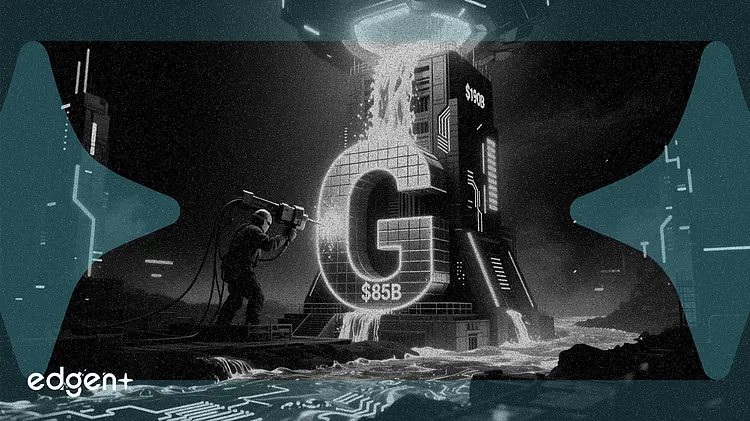
Alphabet raised more than $85 billion in equity, including a record $19 billion mandatory convertible preferred, to fund its AI infrastructure buildout.
"Mandatory convertible preferred stock is effectively yield-enhanced common stock," Michael Youngworth, head of global convertibles research at BofA Securities, said.
The two preferred tranches — GOOGM and GOOGN — each sold 192.5 million shares at $50 apiece, carrying a 6.25 percent annual dividend yield and a 25 percent conversion premium. Alphabet also sold about $18 billion of new common stock last week and plans another $40 billion common stock sale starting in the third quarter. The preferred shares mandate conversion to common stock in three years with no downside protection if Alphabet's stock falls below roughly $360 a share.
The capital raise supports Alphabet's plan to spend $180 billion to $190 billion this year on artificial intelligence, the largest corporate investment program in the sector. The preferred structure gives income-focused investors a high-yield alternative to Alphabet's common stock, which pays just 0.2 percent, while limiting dilution for the company if shares appreciate.
The twin preferred offerings were the largest mandatory convertible issues in market history, according to BofA Securities. Each tranche has a delta of roughly 70 percent, meaning preferred holders see a 70-cent gain for every $1 increase in the common stock, per Bloomberg data.
Alphabet's Class A shares (GOOGL) traded Tuesday at $364.25, while the Class C shares (GOOG) closed at $363.12, both up less than 0.5 percent on the session. The preferred shares traded at about $50.70, a slight premium to the offering price.
The mandatory convertible structure differs from traditional convertibles, which guarantee holders get their original investment back at maturity. Instead, investors receive common stock after three years, exposing them to downside risk. Above roughly $440 a share, holders fully participate in the upside; below $360, they get back less than $50 a share.
The total equity raise — more than $85 billion — positions Alphabet to compete with Microsoft, Amazon and Meta Platforms in the AI infrastructure arms race, with each of the hyperscalers committing tens of billions to data center buildouts this year.
The offering gives Alphabet financial firepower unmatched by most peers while offering yield-seeking investors a rare high-dividend entry point into big tech. Investors will watch the Q3 common stock sale for pricing details and any updates to the company's capex trajectory.
This article is for informational purposes only and does not constitute investment advice.
