

Alibaba plans to charge major users of its next Qwen open-source model a share of the revenue they generate, following Moonshot's Kimi K3 licensing model.
Alibaba plans to charge major users of its next Qwen open-source model a share of the revenue they generate, following Moonshot's Kimi K3 licensing model.
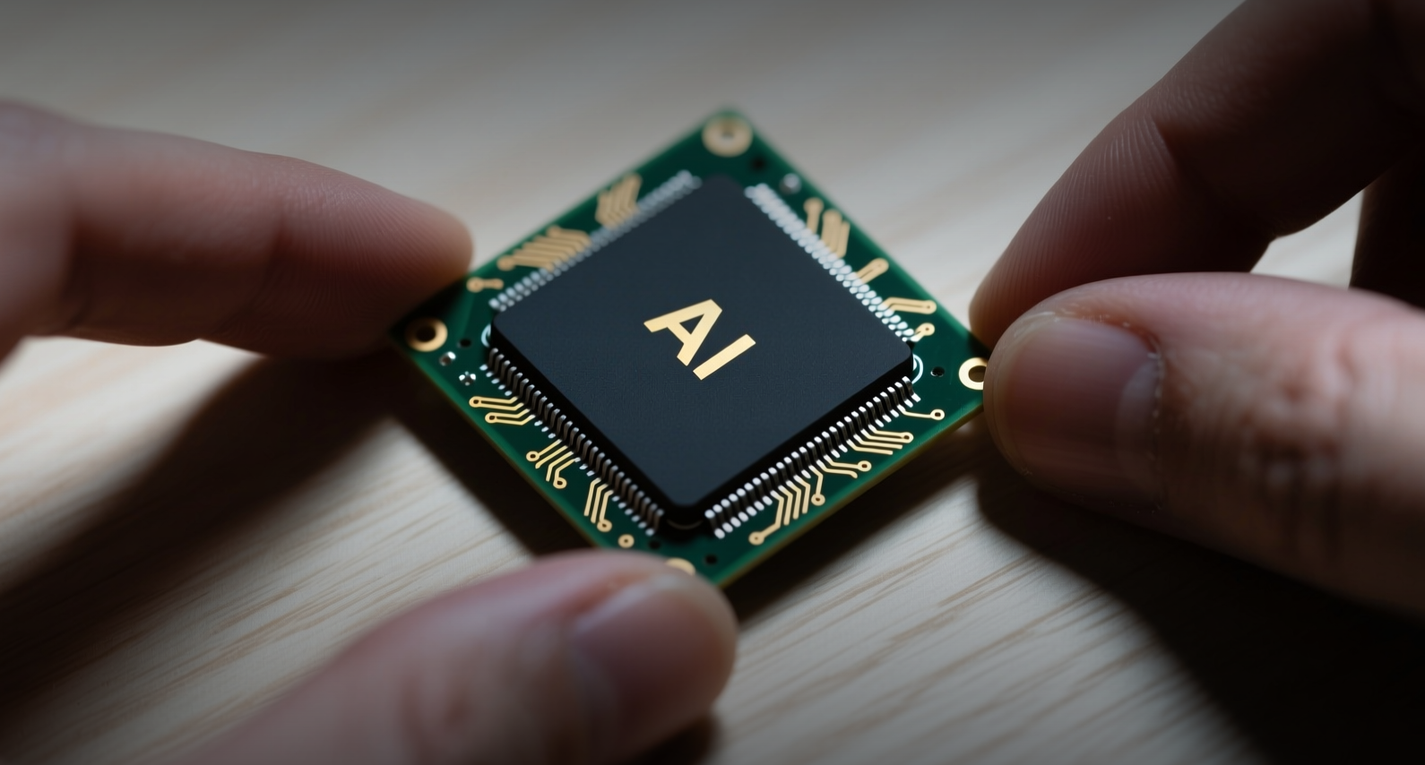
Alibaba plans to charge major users of its next Qwen open-source model a share of the revenue they generate, a move that pushes Chinese AI labs toward a commercial model for free software. The plan, expected to be announced next week alongside the release of Qwen3.8-Max's model weights, would mark the first time the e-commerce giant has sought payment from developers running its open-source software in their own data centers, according to two people familiar with the company's strategy.
"You pay for collaboration with these open-weight model labs to make sure that you're optimizing your deployment. You pay for getting early access for the next revision of the model," Paddy Srinivasan, chief executive of cloud computing firm DigitalOcean Holdings, said. His company, one of several U.S. firms offering Kimi K3 and other Chinese models, has a commercial agreement with Moonshot, though he declined to discuss specifics.
The plan mirrors the licensing terms Moonshot attached to Kimi K3, the world's largest open-weight model released last month. Kimi K3's license requires anyone offering the model as a service and generating more than $20 million in annual sales to negotiate a commercial agreement with Moonshot, which is seeking a revenue share of up to 30 percent, one person said. Alibaba's rate remains unclear as discussions are ongoing, both people said. Chinasoft International, a Chinese IT services provider, disclosed a revenue-sharing agreement with Moonshot in a regulatory filing last month without revealing the percentage.
The shift reflects a broader convergence among Chinese AI labs, which have surprised markets by releasing open-source models nearly as capable as those from OpenAI and Anthropic. Qwen3.8-Max, built on the Qwen 3.5 architecture, expands to 2.4 trillion parameters with 95 billion activated and a 1-million-token context window. On the Arena benchmark platform, Qwen trailed only Anthropic's Claude series among large language models overall.
The commercial stakes are visible in token pricing. Qwen3.8-Max costs about $6 per million output tokens, compared with $50 for Anthropic's Claude Fable 5, according to listed prices. The Qwen3.8 API is priced at $2 per million input tokens and $6 per million output tokens for overseas users, with implicit cache-hit pricing at $0.25 per million tokens. In China, the service runs 12 yuan ($1.7) per million input tokens and 36 yuan per million output tokens.
The cost gap matters because AI agent workflows require repeated tool calls, long code generation and continuous trial-and-error, making token economics decisive for commercial adoption. "At the application layer, there's value out there for how you use it, how you actually get the models and the tokens to do something useful," said Dan Fu, vice president of kernels at Together AI, which offers AI software built on open models.
Chinese open-source models have gained traction among global developers. DeepSeek V4 Flash was the most-used model on OpenRouter's weekly leaderboard, processing 7.22 trillion tokens, with eight of the top 10 models developed by Chinese companies including DeepSeek, Xiaomi, Tencent, Zhipu AI, MiniMax, StepFun and Moonshot.
The open-source push is no longer confined to China. Thinking Machines Lab, the San Francisco startup founded last year by OpenAI's former chief technology officer Mira Murati, released its first open-source model last month and is expected to follow with more powerful versions. "I don't see a fundamental barrier to powerful open-source U.S. models," said Lin Qiao, chief executive of Silicon Valley-based Fireworks AI, who declined to discuss the company's commercial arrangements with Moonshot.
The revenue-sharing model follows a familiar Silicon Valley playbook: offer software at low or zero cost to build adoption, then charge for heavy commercial use and premium services. For Alibaba, which has charged developers for models hosted on its own cloud platform but allowed most open-source offerings to run free in customers' data centers, the change opens a new revenue stream tied to the growth of Qwen-based services.
Alibaba shares, listed in Hong Kong, have been supported by investor optimism over its AI push. The company's decision to monetize Qwen usage could boost its cloud and AI revenue as it competes with U.S. rivals, though the exact revenue-share rate and the threshold for triggering payments remain undisclosed. The model weights are due to be released next week, when the commercial terms will become public.
This article is for informational purposes only and does not constitute investment advice.
