
A consumer travel guide breaks down the three main airport fast-pass memberships, weighing biometric upgrades, credit-card reimbursement, and fee-free alternatives for frequent and occasional flyers alike.
A consumer travel guide breaks down the three main airport fast-pass memberships, weighing biometric upgrades, credit-card reimbursement, and fee-free alternatives for frequent and occasional flyers alike.
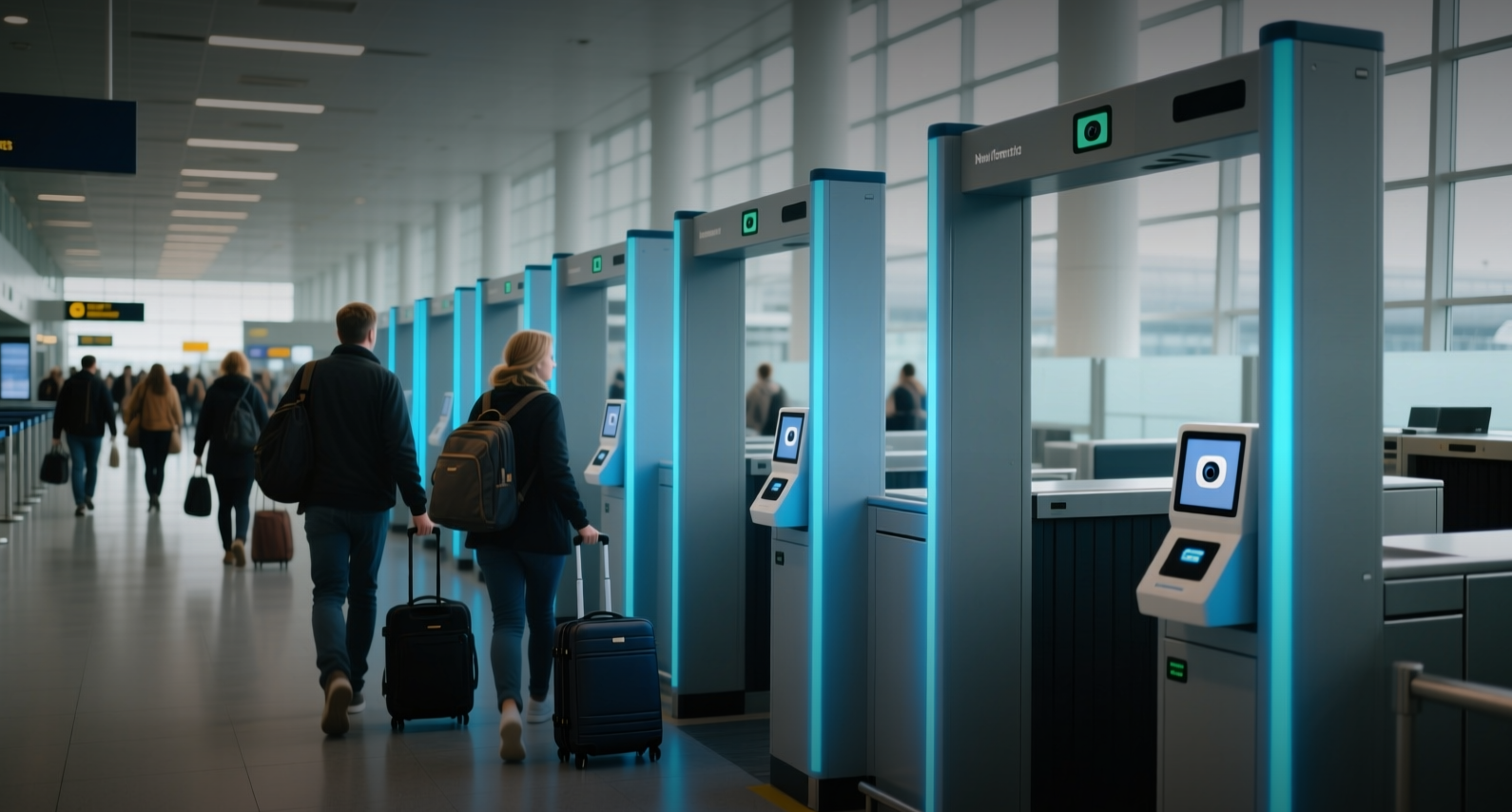
Airport fast-pass programs have gotten faster as biometric technology expands, with TSA PreCheck at $85 for five years, Global Entry at $120, and Clear at $219 annually now competing on coverage rather than just speed.
"TSA Touchless ID can be the speediest option at the airport, on par or better than Clear, in part because travelers are still learning about it," Dawn Gilbertson, travel columnist at The Wall Street Journal, wrote in the September 2 edition.
TSA PreCheck operates at more than 200 US airports with over 85 participating airlines, offering dedicated security lanes where travelers keep laptops and liquids in bags. Its new Touchless ID feature, available on six airlines at 65 airports, replaces physical ID checks with facial recognition cameras. Clear, the private biometric service, operates in 62 airports with new biometric gates in 80 percent of locations. Global Entry, which bundles TSA PreCheck, now approves 80 percent of applications within two weeks, down from serious delays as recently as 2023.
For travelers deciding which program to buy, the calculus comes down to flight frequency, international travel, and whether premium credit cards cover the fees. Global Entry costs $35 more than PreCheck over five years but includes PreCheck benefits, making it the value pick for anyone flying internationally even once or twice annually. Clear's $219 yearly fee makes sense mainly for frequent fliers whose cards cover the charge or who want coverage regardless of airline.
Biometric Gates Reshape the Checkpoint
The technology race at airport checkpoints is changing how each program delivers value. TSA PreCheck Touchless ID, launched across six airlines including American, Delta, United, Southwest, Alaska, and Hawaiian, lets enrolled travelers pass through a camera lane without showing ID. The feature is also available through the digital ID option in Google Wallet, though not Apple Wallet. Clear's new biometric gates, deployed in 80 percent of its 62 airport locations, eliminate some steps for members by scanning faces and boarding passes simultaneously.
The speed gains are notable. Gilbertson reported zooming through the touchless lane at Phoenix Sky Harbor International Airport and a colleague breezing through new biometric gates in Newark. But the technology also introduces a consideration for privacy-conscious travelers: all three programs rely on facial recognition to varying degrees.
Credit-Card Perks and Fee-Free Alternatives
Premium credit cards and frequent-flier programs often reimburse membership fees for all three services. Military members qualify for discounts on TSA PreCheck. For travelers who don't want to pay at all, some airports including Orlando, Phoenix, and Seattle offer free reservations systems for standard TSA lines, and the US Customs Mobile Passport Control app provides a fee-free alternative to Global Entry for returning international passengers.
Clear's $219 annual price tag remains the steepest, and the company has faced pressure to retain members as TSA improvements like keeping shoes on and Touchless ID narrow the speed gap. But Clear's advantage is breadth: it works regardless of airline and at any of its 62 airports, while Touchless ID requires enrollment through specific participating carriers.
This article is for informational purposes only and does not constitute investment advice.
